When it comes to comfort food, there’s something inherently warm and satisfying about a rich, creamy dish that fills your kitchen with mouthwatering aromas. A Makhani, or butter, sauce-based dish is one of those classics that has made its way from the kitchens of India to dining tables around the world. I’ve had the pleasure of making Makhani dishes countless times, and every single time I’m reminded of how these simple ingredients-when combined in just the right way-can transform into something divine.
One of my favorite things about making a Makhani vegetarian dish is how versatile and forgiving it is. It’s one of those meals where you don’t need to be a master chef to pull off something delicious, yet it has layers of flavor that elevate even the most humble vegetables. The richness of the sauce, the touch of sweetness, and the little bit of spice create a balance that feels just right. Let’s dive into making a delicious Makhani vegetarian recipe that will fill your home with comforting vibes and a sense of culinary accomplishment.
Makhani Vegetarian Recipe
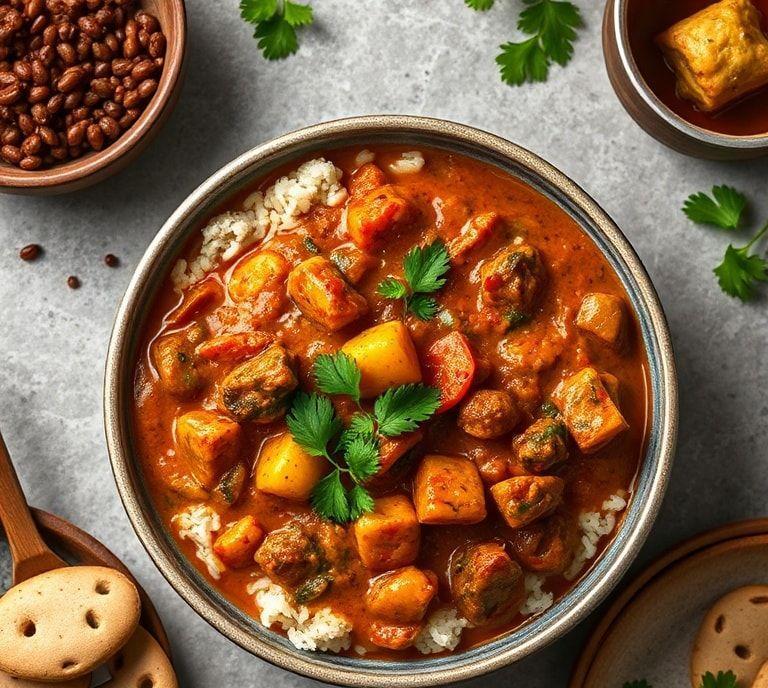
This Makhani vegetarian recipe is a spin on the traditional Butter Chicken Makhani, but we’ll be swapping the meat for a combination of vegetables. It’s creamy, indulgent, and surprisingly easy to make-perfect for a cozy weekend dinner or for entertaining guests who may not typically gravitate toward vegetarian dishes. The sauce is the star, but the vegetables complement it so beautifully that it’s hard to imagine one without the other.
Ingredients Needed
- Mixed Vegetables (Cauliflower, Carrots, Bell Peppers) – 3 cups of your choice of mixed vegetables, chopped into bite-sized pieces. This adds color and texture, making the dish both visually appealing and flavorful.
- Paneer (Indian cottage cheese) – 200 grams, cut into cubes. If you prefer, tofu can be used as a substitute for a plant-based option.
- Tomato puree – 2 cups. Fresh tomatoes blended into a smooth puree create the base for the sauce.
- Onion – 1 medium-sized, finely chopped. Onions bring sweetness to the dish as they cook down and caramelize.
- Ginger-garlic paste – 1 tablespoon. A combination of fresh ginger and garlic brings that aromatic intensity we crave in Indian cooking.
- Cashews – 10-12, soaked in water for about 10 minutes. These are blended into the sauce for a creamy consistency.
- Heavy cream – 1/2 cup. This makes the sauce luxuriously rich and smooth.
- Butter – 3 tablespoons. Because it’s a Makhani dish, butter is an essential element. It adds depth to the sauce and rounds out the flavors.
-
Spices
- Garam masala – 1 teaspoon
- Ground cumin – 1 teaspoon
- Ground coriander – 1/2 teaspoon
- Red chili powder – 1/2 teaspoon (adjust based on your spice preference)
- Turmeric powder – 1/4 teaspoon
- Kasuri methi (dried fenugreek leaves) – 1 teaspoon
- Salt – to taste
- Fresh cilantro – for garnish
Cooking Instructions
- Prep the Vegetables: Start by chopping your vegetables into bite-sized pieces. You can use cauliflower, carrots, peas, bell peppers, or any combination of your favorites. Set them aside.
- Make the Cashew Paste: Soak the cashews in warm water for about 10 minutes, then blend them into a smooth paste with a bit of water. This will form the base of your rich sauce.
- Cook the Vegetables: Heat a tablespoon of butter in a pan over medium heat. Add your chopped vegetables and sauté for a few minutes until slightly tender but still firm. Remove them from the pan and set them aside.
- Prepare the Sauce: In the same pan, add another tablespoon of butter. Once it melts, add chopped onions and sauté until golden brown and soft. Add the ginger-garlic paste, cooking for about 30 seconds until fragrant.
- Add Tomatoes and Spices: Stir in the tomato puree and cook it down until the oil starts separating from the sauce, which should take about 5-6 minutes. Then, add the spices-garam masala, cumin, coriander, red chili powder, and turmeric. Stir them into the sauce, allowing the spices to bloom for a minute or two.
- Combine Everything: Add the cashew paste to the pan and mix well. Cook for another 5 minutes, then add the sautéed vegetables back into the pan. Stir to coat everything in the sauce. Add salt to taste.
- Finish the Dish: Stir in the heavy cream and kasuri methi. Cook for another 5-10 minutes on low heat, letting all the flavors meld together. You’ll know it’s done when the sauce has thickened to a luscious consistency, and the vegetables are tender but not mushy.
- Garnish and Serve: Garnish with fresh cilantro and serve hot with naan or rice.
Ingredient Science Spotlight
One of the most interesting things about the ingredients in this Makhani dish is how they work together to create such a smooth, velvety texture and a depth of flavor. Let’s take a closer look at a couple of key ingredients:
- Cashews: When cashews are blended with water, they form a creamy paste that mimics the texture of heavy cream or dairy products. Their mild, sweet flavor helps to balance out the acidity of the tomatoes in the sauce, giving the dish a rich mouthfeel. It’s one of the reasons Makhani dishes feel so indulgent.
- Kasuri Methi (Fenugreek leaves): These dried leaves have a unique, slightly bitter taste that adds complexity to the sauce. When you crush them in your hands before adding them to the dish, they release an aroma that is both earthy and aromatic, a flavor you won’t forget once you’ve tried it.
Expert Tips
- Low and Slow for the Sauce: Don’t rush the sauce-making process. Let the tomato puree cook down until it starts to separate from the oil. This caramelization brings out the natural sweetness in the tomatoes and creates the foundation for a deep, rich flavor.
- Adjust the Spice Level: If you’re making this dish for people who are sensitive to spice, feel free to tone down the red chili powder. On the other hand, if you like a good kick, add more and maybe even a splash of green chili.
- Use Fresh Tomatoes: While canned tomato puree works in a pinch, fresh tomatoes create a more vibrant, tangy base that can make all the difference. If you have the time, it’s worth it.
- Don’t Skip the Butter: The butter is essential to the signature Makhani flavor. It’s not just a fat for cooking; it adds a richness that’s central to the dish’s name and flavor profile.
Recipe Variations
- Makhani with Tofu: If you’re vegan or prefer a dairy-free option, swap out the paneer for tofu. It will absorb the flavors of the sauce beautifully, and the creamy texture from the cashew paste will help it blend seamlessly.
- Add More Veggies: Feel free to toss in other vegetables like mushrooms, spinach, or even peas for added texture and flavor. The sauce works well with a variety of vegetables, so don’t be afraid to get creative.
- Spicy Makhani: If you like your dishes spicy, you can add a couple of finely chopped green chilies or a dash of chili flakes for extra heat. A little bit of fresh ginger would also add a sharpness that contrasts beautifully with the creamy sauce.
Final Words
Cooking a Makhani dish is about embracing the balance of creamy, savory, and aromatic flavors. It’s a celebration of how ingredients like butter, cream, and spices can transform simple vegetables into something extraordinary. Once you make this dish, you’ll find yourself going back to it, whether it’s for a special occasion or a weeknight dinner.
FAQs
What Is A Makhani Vegetarian Recipe?
A makhani vegetarian recipe is a vegetarian version of the popular ’butter chicken’ dish from Indian cuisine, made with a rich, creamy tomato-based sauce. In the vegetarian version, the chicken is replaced with vegetables such as paneer (Indian cottage cheese), tofu, or a mix of vegetables like cauliflower, peas, and carrots. The dish is known for its smooth, buttery texture, mild spiciness, and balanced flavor, often served with naan or rice.
What Are The Key Ingredients In A Makhani Vegetarian Recipe?
The key ingredients in a makhani vegetarian recipe include tomatoes, cream (often heavy cream or cashew cream for a vegan option), butter, and various aromatic spices such as garam masala, cumin, coriander, turmeric, and chili powder. Other ingredients might include ginger, garlic, onions, and a protein base such as paneer or tofu. The dish is often finished with a drizzle of cream for richness and garnished with fresh cilantro.
How Can I Make The Makhani Vegetarian Recipe Vegan?
To make a vegan version of the makhani vegetarian recipe, you can replace the dairy ingredients with plant-based alternatives. Use coconut cream or cashew cream instead of dairy cream, and substitute butter with vegan butter or oil. For the protein base, tofu or vegetables like cauliflower or potatoes can be used instead of paneer. Additionally, ensure that the spices and flavorings do not contain any animal-derived ingredients.