Sometimes, food isn’t just about eating. It’s about the memories we share, the joy of discovery, and the little comforts that take us back to moments in time. Mandu, a traditional Korean dumpling, is one of those dishes that, for me, does just that. I remember the first time I tried them in a small, cozy Korean restaurant tucked away in a quiet neighborhood. There was something magical about biting into that dumpling, the crispy edges giving way to a savory, umami-filled filling that was both familiar and new.
Mandu has a special place in Korean cuisine, a versatile dish that can be steamed, fried, or boiled. It’s a food that’s often made with loved ones, a kind of bonding activity, as everyone gathers around the kitchen, folding dough and laughing together. The vegetarian version of mandu, with its combination of vegetables, tofu, and sometimes mushrooms, provides all the savory goodness you crave without meat. It’s a hearty, comforting dish that doesn’t lose any of its flavor or texture. Plus, it’s a great way to introduce people to Korean flavors, especially if they’re new to the cuisine.
Let’s dive into how you can make this delightful vegetarian mandu right at home, turning a simple meal into a heartfelt experience.
Mandu Vegetarian Recipe
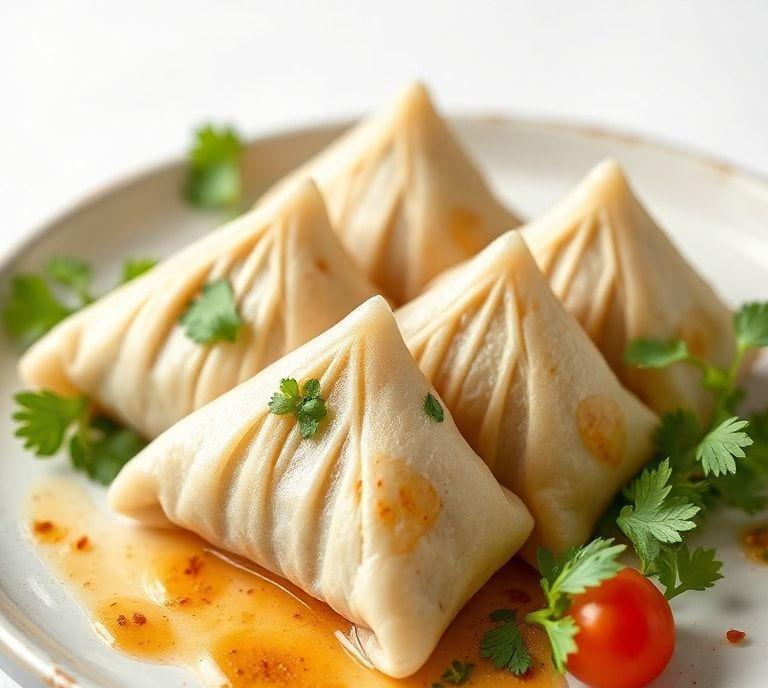
Making vegetarian mandu isn’t hard, but it requires a little patience-something I think is always worth it when the outcome is a steaming plate of crispy, golden dumplings. When I make them at home, I usually turn on some music, pour myself a cup of tea, and get to work. It’s the kind of dish that invites you to slow down and enjoy the process.
Now, you may have seen mandu being sold at your local Korean market or even as an appetizer at a restaurant. The beauty of making it at home is the flexibility you have in filling and seasoning-plus, it’s a great way to use up any leftover vegetables you might have lying around.
Ingredients Needed
For the vegetarian mandu, you’ll need the following ingredients. These are the staples for the filling, but as you’ll see in the next section, there’s a lot of room to get creative with what you choose:
- Dumpling wrappers: You can find these at any Asian supermarket or even make your own if you’re feeling ambitious (I’ve done it a couple of times, and it’s fun, but store-bought wrappers are a time-saver).
- Tofu: I use firm tofu for this recipe, as it holds up well during the cooking process and gives a nice texture. I always press it first to remove any excess moisture.
- Cabbage: Napa cabbage is the classic choice here. It’s soft, slightly sweet, and not too crunchy, which makes it perfect for dumpling filling.
- Mushrooms: I like to use shiitake mushrooms for their earthy, umami flavor. You can swap them out for other types of mushrooms, but shiitake always brings the right balance of depth to the dish.
- Carrots: Grated for sweetness and texture. It’s not just for color-it adds a subtle crunch.
- Garlic and ginger: These two add that unmistakable aromatic punch that is so vital in Asian cooking. The combination is always a winner.
- Soy sauce: For that deep, salty, umami goodness.
- Sesame oil: A small amount of toasted sesame oil adds a nutty, fragrant undertone to the filling.
- Green onions: These fresh and peppery onions provide a nice contrast to the richness of the tofu and vegetables.
- Cornstarch: This helps bind the filling together and makes sure it doesn’t fall apart during cooking.
- Salt and pepper: To taste. Always remember to season properly-the flavor will elevate the filling!
Cooking Instructions
Making mandu requires a bit of assembly, but honestly, that’s the fun part. I find folding the dumplings to be incredibly therapeutic, even though they never come out perfectly symmetrical (I can’t be the only one who has a tendency to make lopsided dumplings!). Here’s how you make them:
- Prepare the Filling: Start by draining and pressing the tofu to remove excess water. Then crumble it into a large mixing bowl. Add in finely chopped cabbage, grated carrots, chopped mushrooms, minced garlic, ginger, and green onions. Drizzle in the sesame oil and soy sauce, and stir well. Sprinkle in a bit of cornstarch to help bind everything together, and season with salt and pepper. You want the filling to have a good balance of savory, slightly sweet, and fragrant flavors. Taste and adjust accordingly.
- Assemble the Dumplings: Now for the fun part! Place a dumpling wrapper on your palm and spoon about a tablespoon of the filling into the center. Be careful not to overstuff it-dumplings are delicate creatures. Wet the edges of the wrapper with a little water, fold it in half, and crimp the edges to seal. You can make pleats along the edges for a more traditional look, but honestly, it’s not about perfection-it’s about the love you put into it.
-
Cooking Methods: You can either steam, boil, or fry the dumplings:
- Steaming: If you have a bamboo steamer, this is the way to go. Steam the dumplings for about 10-15 minutes, or until the wrappers are translucent.
- Boiling: Bring a pot of water to a boil, then gently add the dumplings. They’ll float when they’re done-about 5-7 minutes.
- Pan-frying: My favorite! Heat a little oil in a skillet over medium heat. Fry the dumplings for 2-3 minutes on each side until they’re crispy and golden brown, then add a splash of water to the pan, cover, and let them steam for a few more minutes.
- Serve: Serve the mandu with a dipping sauce of soy sauce, a splash of vinegar, and a little sesame oil for a tangy kick. Garnish with more green onions if you like.
Ingredient Science Spotlight
Every ingredient in mandu has its role, and the science behind them is pretty fascinating. Take tofu, for example-it’s not just a meat substitute; it’s packed with protein and absorbs flavors beautifully. The key to tofu’s success in mandu is that it has a neutral taste that acts like a sponge, soaking up the savory components from the soy sauce, sesame oil, and vegetables. The texture of firm tofu also gives the filling substance, making it satisfying without being too heavy.
Cabbage is another essential ingredient that brings both texture and flavor. When you cook it, it wilts down and softens, but it still holds onto its mild sweetness, which balances the deeper, earthier flavors of the mushrooms and tofu. And don’t forget the mushrooms-those umami-rich fungi are the secret to making a vegetarian dish taste as hearty and flavorful as one with meat.
Expert Tips
- Press your tofu: Pressing tofu removes excess moisture, which not only improves the texture but also allows it to absorb more flavor from the other ingredients. Don’t skip this step.
- Season well: Taste your filling before you start wrapping! Don’t just rely on the soy sauce. A touch more sesame oil, a pinch of salt, or a little more ginger can elevate the flavors.
- Be patient with folding: It takes practice to fold the dumplings neatly, but that’s the fun part! If they don’t look perfect, don’t stress-it’s the taste that counts.
- Use a non-stick pan for frying: If you want that crispy, golden-brown edge, a non-stick pan is your best friend. It helps you avoid sticking and ensures even cooking.
- Make extra: Mandu freezes really well. After assembling, you can freeze the uncooked dumplings and cook them straight from the freezer. It’s a game-changer on busy days!
Recipe Variations
- Spicy Mandu: Add some gochujang (Korean chili paste) to the filling for a spicy kick. A little goes a long way, so start with just a teaspoon.
- Mushroom Medley: If you’re a mushroom lover like me, you can mix different types-shiitake, oyster, and even wood ear mushrooms for a more complex flavor profile.
- Sweet Potato Mandu: For a sweeter version, try adding mashed sweet potato to the filling. It pairs wonderfully with the other vegetables and adds a creamy texture.
- Gluten-Free: Use gluten-free dumpling wrappers and replace soy sauce with tamari for a gluten-free version of mandu.
Final Words
Mandu is more than just a meal-it’s an experience. The satisfaction of making these little parcels of joy, the warmth of sharing them with loved ones, and the delight of each bite make it a dish that I come back to time and again. Whether you’re new to Korean cuisine or a seasoned foodie, making mandu from scratch is an adventure that’s always worth the time.
FAQs
What Ingredients Are Commonly Used In A Vegetarian Mandu Filling?
A vegetarian mandu filling typically includes finely chopped vegetables such as cabbage, carrots, mushrooms, and onions. Tofu or cooked glass noodles (dangmyeon) are often added for texture and protein. Flavorings usually include garlic, ginger, soy sauce, sesame oil, and sometimes green onions or kimchi for a slightly tangy taste.
How Do You Properly Cook Vegetarian Mandu?
Vegetarian mandu can be cooked in several ways. Steaming preserves their soft texture, while pan-frying creates a crispy bottom with a tender top. Boiling them in water or a mild broth is another common method, resulting in a softer dumpling. Cooking times vary, but typically steamed or boiled mandu take 7-10 minutes, while pan-fried ones need about 3-5 minutes per side over medium heat.
Can Vegetarian Mandu Be Made Ahead Of Time And Stored?
Yes, vegetarian mandu can be made ahead and frozen for later use. Arrange the uncooked dumplings on a tray without touching each other and freeze until solid, then transfer them to a sealed freezer bag. They can be cooked directly from frozen by steaming, boiling, or pan-frying, although cooking times may increase slightly compared to fresh dumplings.