Mediterranean cuisine is a celebration of simplicity, fresh flavors, and wholesome ingredients. It’s a cooking style that invites you to savor life, embrace vibrant colors on your plate, and nourish your body with foods that are both delicious and healthful. I’ve always had a soft spot for Mediterranean food-not just because it’s packed with flavor but because it embodies a certain lifestyle that’s about balance and enjoyment, not deprivation. It’s easy to get swept away by fast food or overly complicated recipes, but the Mediterranean diet encourages us to slow down, to savor, and to prepare meals that bring both joy and health into our lives.
Today, we’re diving into a Mediterranean vegetarian recipe that does just that. It’s a perfect dish to prepare when you want something fresh, filling, and packed with vibrant flavors that transport you to the shores of Greece or Italy with every bite. Whether you’re fully vegetarian or just looking to cut down on meat, this recipe is a fantastic way to explore plant-based Mediterranean eating. Let’s get into it.
Mediterranean Vegetarian Recipe
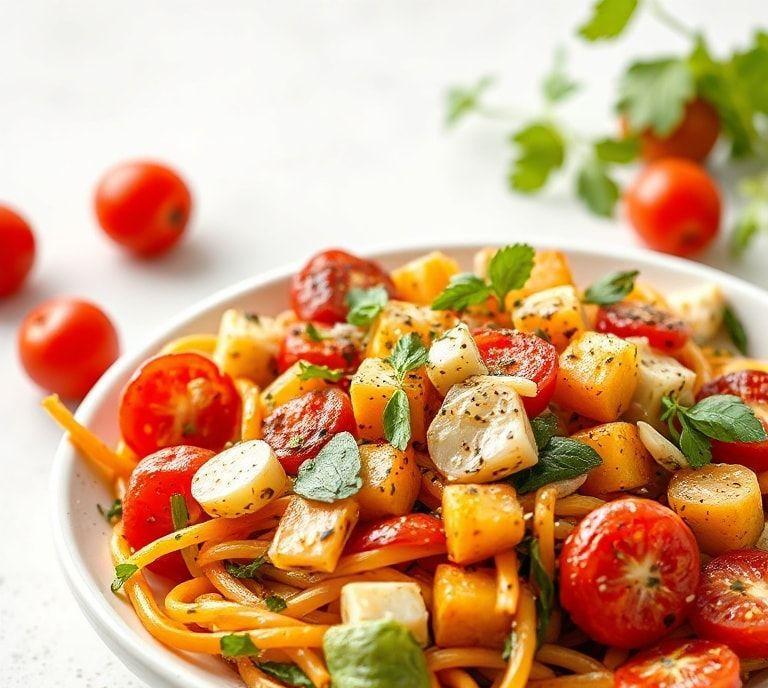
This Mediterranean vegetable medley with quinoa is one of those dishes you can eat year-round, with its hearty, satisfying components and bright, seasonal produce. The quinoa provides a protein-packed base, while the roasted vegetables add a depth of flavor and a hint of smokiness. The feta cheese and olives bring in a salty, briny kick that perfectly balances the earthiness of the dish. This recipe is as versatile as it is easy, and it comes together in less than an hour. It’s perfect for busy weeknights, but also special enough for a weekend dinner party.
Ingredients Needed
Here’s what you’ll need to create this vibrant, Mediterranean-inspired dish:
- 1 cup quinoa – A high-protein, gluten-free grain that’s nutty and fluffy when cooked. It serves as the hearty base of this dish.
- 1 red bell pepper – A sweet, juicy addition that adds both crunch and color.
- 1 yellow zucchini – A summer squash that gives a nice contrast in texture and flavor to the other vegetables.
- 1 eggplant – Smoky, earthy, and soft when roasted, eggplant is one of the signature vegetables in Mediterranean cooking.
- 1 cup cherry tomatoes – Juicy, tangy, and bursting with sweetness when roasted; they add a refreshing, slightly caramelized flavor.
- 1 small red onion – Adds a sweet sharpness that balances the richness of the roasted veggies.
- 1/4 cup kalamata olives – Salty, briny, and deep in flavor, these olives bring Mediterranean authenticity to the dish.
- 1/4 cup crumbled feta cheese – For that creamy, tangy bite that pairs beautifully with the roasted vegetables.
- 2 tablespoons olive oil – The base for roasting and the foundation of the dish’s richness.
- 1 teaspoon dried oregano – A classic herb in Mediterranean cuisine, providing a fresh, slightly bitter flavor.
- 1/2 teaspoon garlic powder – To enhance the savory notes of the vegetables.
- Salt and pepper – To taste, of course.
This simple but flavorful lineup of ingredients is all you need to create a dish that’s satisfying and nourishing without being overly complicated. Every ingredient has a role to play, adding texture, color, and boldness to the final plate.
Cooking Instructions
- Preheat the oven to 400°F (200°C). While the oven is heating up, prep your vegetables.
- Chop the vegetables: Dice the bell pepper, zucchini, and eggplant into bite-sized chunks. Slice the red onion thinly, and halve the cherry tomatoes. The smaller the pieces, the quicker they’ll roast, so aim for uniform cuts to ensure even cooking.
- Toss with olive oil and spices: In a large mixing bowl, combine all the chopped veggies. Drizzle with olive oil, and sprinkle with garlic powder, oregano, salt, and pepper. Toss to coat the vegetables evenly. Spread the mixture out on a baking sheet, ensuring the vegetables are in a single layer for even roasting.
- Roast the veggies: Place the baking sheet in the oven and roast for 25-30 minutes, stirring once halfway through. The vegetables should be soft, slightly charred, and caramelized at the edges.
- Cook the quinoa: While the vegetables are roasting, cook your quinoa according to package instructions. Typically, this involves rinsing the quinoa, then cooking it in a pot with double the amount of water or broth. Bring to a boil, reduce the heat, and simmer for 15 minutes until the quinoa is fluffy and all the liquid is absorbed.
- Assemble the dish: Once the veggies are roasted and the quinoa is ready, combine them in a large bowl. Add the olives, crumbled feta, and any additional seasonings you like. Toss gently to combine everything.
- Serve and enjoy: Serve the dish warm, drizzled with a little extra olive oil if you like. For a finishing touch, add a sprinkle of fresh parsley or basil, if you have it on hand.
Ingredient Science Spotlight
Let’s take a quick detour to appreciate the science behind some of the star ingredients in this dish, shall we?
- Quinoa: Often hailed as a “superfood”, quinoa is technically a seed, not a grain. It’s one of the few plant-based sources of complete protein, meaning it contains all nine essential amino acids your body needs. This makes it an excellent choice for vegetarians, as it helps to fill the protein gap that might otherwise be harder to achieve without animal products.
- Olives: Olives are one of the oldest cultivated foods in the Mediterranean. Their deep, rich flavor comes from the fact that they’re cured and fermented. The fermentation process is full of beneficial bacteria that help support gut health. Not to mention, olives are rich in monounsaturated fats, which are known to support heart health.
- Eggplant: This vegetable is packed with antioxidants, including anthocyanins, which give it that beautiful deep purple skin. These antioxidants help reduce inflammation and protect cells from damage, making eggplant a smart choice for anyone looking to up their vegetable intake.
- Feta Cheese: While cheese might seem indulgent, feta is relatively lower in fat and calories than many other cheeses, and its tangy, creamy flavor can go a long way in bringing a savory depth to dishes with minimal quantity. Plus, it’s made from sheep or goat’s milk, which is easier for many people to digest than cow’s milk.
Expert Tips
- Choose the freshest produce: Since the Mediterranean diet is all about fresh, high-quality ingredients, take a little extra time to choose your vegetables carefully. Look for firm eggplants, plump tomatoes, and colorful bell peppers to make your dish as flavorful as possible.
- Customize your seasoning: Mediterranean cuisine thrives on its reliance on fresh herbs and simple seasoning. Don’t be afraid to play with herbs like basil, thyme, or even a little rosemary, depending on what you have on hand or what your tastebuds crave.
- Prep ahead: If you’re short on time, you can prep your vegetables earlier in the day, toss them in oil and spices, and store them in the fridge. When you’re ready, just throw them in the oven and cook the quinoa while they roast.
Recipe Variations
- Add protein: For an extra boost of protein, toss in some chickpeas or roasted lentils. They’ll add texture and heartiness without compromising the Mediterranean flavor.
- Vegan version: If you’re looking to make this recipe fully vegan, simply omit the feta cheese or swap it out for a vegan feta alternative. Nutritional yeast is another great option for adding a cheesy flavor without the dairy.
- More grains: If quinoa isn’t your thing, couscous, farro, or bulgur can easily be substituted in its place for a slightly different texture and flavor profile.
Final Words
This Mediterranean vegetarian dish is all about the flavors of the sun-drenched shores of the Mediterranean, combined in a way that’s easy to prepare and share. Whether you’re cooking for one or a crowd, it’s a meal that highlights the importance of fresh ingredients and simple preparation. Each bite is a reminder that food is meant to be savored-both for its taste and its ability to bring us together.
FAQs
What Are Some Key Ingredients In Mediterranean Vegetarian Recipes?
Mediterranean vegetarian recipes typically include a variety of fresh vegetables, legumes, whole grains, olive oil, and herbs like oregano, basil, and thyme. Common ingredients also include tomatoes, cucumbers, eggplants, bell peppers, olives, and feta cheese. Additionally, dishes often feature grains such as quinoa, couscous, or bulgur wheat, and legumes like chickpeas and lentils.
Are Mediterranean Vegetarian Recipes Healthy?
Yes, Mediterranean vegetarian recipes are considered very healthy. They are rich in fiber, antioxidants, and healthy fats from olive oil and nuts. These recipes emphasize plant-based foods, which are linked to various health benefits, including improved heart health, weight management, and reduced risk of chronic diseases. Additionally, they tend to be lower in processed foods and refined sugars, making them an excellent choice for overall well-being.
Can I Make Mediterranean Vegetarian Recipes Ahead Of Time?
Many Mediterranean vegetarian recipes can be made ahead of time, especially those that involve salads, grain bowls, or stews. Dishes like Mediterranean grain salads, roasted vegetables, and hummus can be prepared in advance and stored in the refrigerator for a few days. For optimal freshness, some components, such as leafy greens or delicate herbs, may be best added just before serving. Additionally, certain stews or baked dishes may actually taste better the next day as the flavors have time to meld.