
I’ve always loved the versatility of beans. Whether they’re simmered in a rich broth, tossed into a salad, or mixed with grains to make a hearty meal, they have a way of making everything feel complete. I grew up with beans being a staple in almost every meal, but it wasn’t until I stumbled across a Mexican beans recipe that I truly understood the depth of flavor that beans can bring. This particular vegetarian version has been a game-changer for me – it’s simple, satisfying, and packed with flavor, without needing any meat to make it feel filling.
What’s truly amazing about this recipe is how it honors the traditional Mexican flavors while making it easy to throw together on a weeknight. You get that perfect balance of savory, spicy, and earthy, with just enough heat to keep things interesting. Whether you serve it as a side dish, a topping for tacos, or just as a stand-alone bowl of goodness, it’s bound to become a regular in your rotation. And let’s not forget that beans are such an affordable, nutritious option, making this recipe a win on both taste and budget.
Mexican Beans Vegetarian Recipe
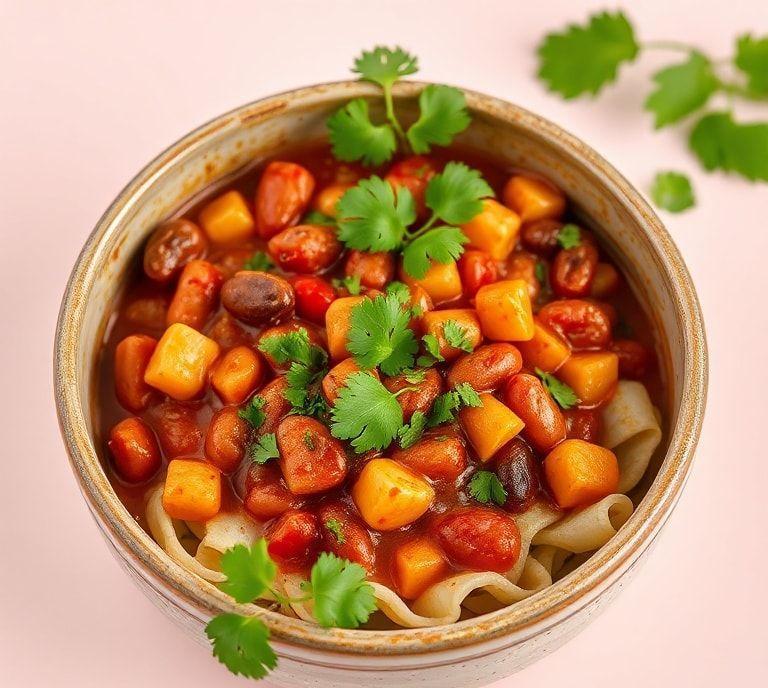
This is not just any bean recipe. It’s one that brings together a handful of ingredients that are staples in Mexican cuisine-garlic, onion, cumin, and chili peppers-that meld together perfectly to create something truly special. It’s incredibly easy to prepare, and once you get the technique down, you can make it your own by adjusting the level of heat, flavor depth, or texture. The best part? You can serve it with almost anything, from rice to tacos to salads.
It all starts with a solid foundation of beans-pinto or black beans work best here-but you can even experiment with others if you like. I’ve tried it with kidney beans when I was out of pinto, and it still turned out delicious. Here’s a closer look at what you’ll need to make this flavorful dish.
Ingredients Needed
Here’s the shopping list you’ll need for this dish:
- 2 cups dried pinto or black beans (or 3 cans of cooked beans if you’re in a hurry)
- 1 medium onion, finely chopped
- 3 cloves garlic, minced
- 1-2 jalapeños (depending on your heat tolerance), finely chopped
- 1 tsp cumin
- 1 tsp smoked paprika (or regular paprika if you prefer a milder flavor)
- 1 tsp dried oregano
- 1 bay leaf
- 1 tbsp vegetable oil (or olive oil if you prefer)
- 4 cups vegetable broth (or water if you’re working with canned beans)
- Salt and pepper to taste
- Fresh cilantro, chopped (for garnish)
- Lime wedges, for serving
If you want to take this to the next level, consider adding a diced tomato or a splash of lime juice while cooking-both do wonders for rounding out the flavors.
Cooking Instructions
The first time I made this, I was amazed at how something so simple could taste so satisfying. Here’s the process I use to make it come together:
- Prep the beans: If you’re using dried beans, start by rinsing them and then soaking them in water for at least 4 hours or overnight. This step will help soften them and reduce cooking time. If you’re using canned beans, make sure to drain and rinse them to remove any excess sodium.
- Cook the aromatics: In a large pot, heat the vegetable oil over medium heat. Add the chopped onion and sauté for about 4-5 minutes until they turn translucent. Throw in the garlic and chopped jalapeños, and cook for another minute. The smell at this point will tell you that you’re on the right track.
- Add the spices: Stir in the cumin, smoked paprika, and oregano. Toast them for about 30 seconds to allow the spices to release their oils and fragrance. The heat from the pan should make these spices bloom, and your kitchen will soon be filled with a warm, inviting aroma.
- Add the beans and broth: If you’re using dried beans, now’s the time to add them along with the vegetable broth and bay leaf. Bring the mixture to a simmer, then reduce the heat to low. Let it cook, uncovered, for 1-1.5 hours, stirring occasionally. You may need to add more broth or water as the beans cook, so keep an eye on them. If you’re using canned beans, this step will only take about 20-30 minutes, as they’re already cooked.
- Season and finish: Once the beans are tender and the broth has thickened slightly, remove from heat. Season with salt and pepper to taste, and remove the bay leaf. The beans should be soft and flavorful with just a little bit of broth left.
- Garnish: Top with freshly chopped cilantro and serve with a wedge of lime. I love adding a sprinkle of queso fresco on top too, but that’s optional.
Ingredient Science Spotlight
Beans are an underrated powerhouse when it comes to nutrition. They are rich in fiber, protein, and essential minerals like iron, magnesium, and potassium. This makes them an ideal choice for vegetarians and those looking to add more plant-based protein to their diet.
But the magic of beans isn’t just about what they bring to the table nutritionally. They also work as a natural thickening agent. As they cook, they release starches into the broth, which helps to create that creamy, satisfying texture without the need for heavy creams or dairy.
And let’s not forget the aromatics and spices! Garlic, onions, and chilies not only add layers of flavor, but they also offer health benefits. Garlic, for example, is known for its immune-boosting properties, while the capsaicin in chilies helps promote digestion and circulation.
Expert Tips
- Soak Your Beans: If you’re using dried beans, don’t skip the soaking step. It softens the beans, reduces cooking time, and makes them easier to digest. If you forget to soak them, try the quick soak method-bring the beans to a boil in a large pot of water, turn off the heat, and let them sit for an hour before cooking.
- Add a Smoky Twist: To enhance the depth of flavor, you can throw in a chipotle pepper or some adobo sauce. It will add a smoky, spicy kick that works wonders in this dish.
- Don’t Overcook: When cooking the beans, be careful not to overcook them. You want them tender, but still holding their shape. Overcooking them can result in mushy beans, which might turn the dish too soupy.
- Squeeze the Lime: The freshness of lime at the end really lifts the flavors, so don’t skip it. It adds brightness to what is otherwise a hearty and rich dish.
- Freezing Leftovers: If you happen to have leftovers, this dish freezes beautifully. Just store the beans in an airtight container for up to three months. Reheat gently on the stove with a splash of water or broth.
Recipe Variations
One of the reasons I love this recipe so much is how easily it can be adapted. Here are some variations to try:
- Mexican Street-Style: Add grilled corn kernels and a sprinkle of crumbled cotija cheese for a version inspired by Mexican street food.
- Spicy Bean Soup: Thin out the beans with a bit more broth, add some diced tomatoes, and turn it into a delicious soup.
- Chili Beans: Add some diced bell peppers, tomatoes, and a bit of chili powder to give it more of a chili flavor. Serve it over rice or in a tortilla for a fun twist.
- Taco Topping: Top your tacos with these beans, along with some salsa, avocado, and shredded lettuce for a quick and healthy taco night.
Final Words
What I love most about this Mexican beans recipe is its simplicity and how adaptable it is. It’s one of those dishes that, once you master the basic technique, can be played with to fit your tastes, dietary needs, and what you have in the pantry. The combination of earthy beans with spices like cumin and paprika creates a comforting and flavorful base that goes well with nearly anything. It’s also the perfect meal to share with loved ones or to prep for busy days ahead.
FAQs
What Types Of Beans Are Best For A Mexican Vegetarian Recipe?
For Mexican vegetarian recipes, commonly used beans include black beans, pinto beans, and kidney beans. Black beans are especially popular due to their creamy texture and ability to absorb spices well, while pinto beans offer a slightly earthy flavor that complements Mexican seasonings. These beans can be used either cooked from dry or canned for convenience.
What Spices And Seasonings Are Essential For Authentic Mexican Flavor In A Vegetarian Bean Dish?
Essential spices and seasonings for a Mexican vegetarian bean recipe typically include cumin, smoked paprika, chili powder, oregano, garlic, and onion. Fresh ingredients like cilantro, lime juice, and diced tomatoes also enhance the flavor. These ingredients create a balanced combination of smokiness, heat, and freshness that is characteristic of Mexican cuisine.
Can Mexican Beans Be Made Entirely On The Stovetop, Or Do They Require A Slow Cooker Or Pressure Cooker?
Mexican beans can be prepared entirely on the stovetop without the need for a slow cooker or pressure cooker. Start by sautéing onions, garlic, and spices, then add soaked or canned beans along with vegetable broth or water. Simmer the beans over low heat until tender and flavorful. Slow cookers or pressure cookers can reduce cooking time and deepen flavors, but they are not necessary for an authentic result.