
When I first stumbled across the idea of a vegetarian chili, I was skeptical. After all, chili is one of those dishes that almost requires the richness of beef or pork, right? The slow-braised meat, those deep, savory flavors that build through hours of simmering. But as I started experimenting, I was amazed at how a simple change of perspective could bring out an entirely new side to a classic dish.
This Mexican-style vegetarian chili became one of my go-to comfort meals, especially when the evenings get chilly and the air smells like rain. It’s hearty, packed with bold flavors, and full of texture, without any of the heaviness that meat usually brings. Plus, it’s a perfect way to sneak in extra veggies and beans while still satisfying that craving for something warm, spicy, and filling.
So, let me walk you through this recipe, which has become a favorite in my house. I hope it will find a place in yours too.
Mexican Chili Vegetarian Recipe
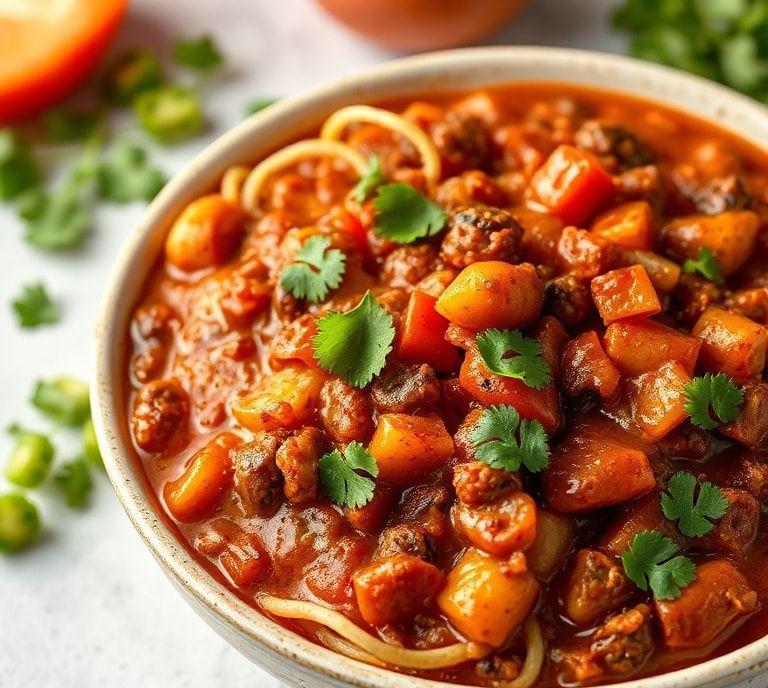
This isn’t just any vegetarian chili-it’s a Mexican-inspired chili that takes the traditional concept and adds a twist. We’re talking smoky, earthy chipotle peppers, bright bursts of lime, and a deep, rich complexity from the roasted vegetables. This recipe hits all the right notes, with a lovely balance between spicy, savory, and a little bit of sweetness from the roasted tomatoes.
Whether you’re vegan, vegetarian, or simply looking for a healthier alternative to a meaty chili, this recipe brings out the heart of Mexican flavors in every bite. Imagine cozying up with a big bowl of this, topped with a dollop of creamy avocado and a sprinkle of fresh cilantro. It’s the kind of meal you crave after a long day, but it’s also hearty enough to serve at your next dinner party. The best part? It’s so versatile you can customize it based on what’s in your pantry or what you’re in the mood for.
Ingredients Needed
Before diving into the cooking process, let’s take a look at the ingredients that will make this Mexican vegetarian chili sing:
- Olive oil: For sautéing the veggies. It adds richness to the base of the chili without overpowering the flavors.
- Onion: A classic base ingredient that brings sweetness and depth when sautéed.
- Garlic: Because, well, garlic makes everything better. It infuses the dish with a fragrant, savory backbone.
- Bell peppers: I like to use a mix of red and yellow bell peppers for a pop of color, but any variety works.
- Carrots: For a bit of sweetness and crunch. You’ll roast them along with the other veggies to bring out their natural sugars.
- Zucchini: A great vegetable to add texture and absorb the spices while not overwhelming the dish.
- Tomatoes: I prefer to use roasted tomatoes for their deeper, richer flavor, but you can also go with canned diced tomatoes if you’re short on time.
- Black beans: These add substance and protein. You could swap them for kidney beans or pinto beans if you like.
- Corn: A touch of sweetness and a nice bite. Frozen corn works fine here.
- Chipotle peppers in adobo sauce: This is the secret ingredient that transforms the chili into something spectacular. These smoky, spicy peppers pack a punch of flavor and a subtle heat.
- Vegetable broth: To bring everything together into a luscious, hearty soup-like consistency.
- Cumin: A must-have for any Mexican-inspired dish. It gives warmth and that earthy, cumin flavor that makes your mouth water.
- Chili powder: A blend of spices that adds heat and complexity.
- Lime: Fresh lime juice brightens up the whole dish and gives it a zing.
- Fresh cilantro: For garnish. It adds a burst of freshness and a slight peppery note.
Cooking Instructions
Let’s get to the fun part: making the chili! Here’s how I do it, step by step:
- Preheat your oven: Set it to 400°F (200°C). While the oven heats up, you can start prepping your vegetables. Cut the bell peppers, zucchini, and carrots into bite-sized pieces. Toss them in a little olive oil, salt, and pepper, then spread them out on a baking sheet. Pop them in the oven for about 20-25 minutes, or until they’re roasted and slightly caramelized. The roasting really brings out their natural sweetness and adds depth to the flavor.
- Sauté your base: While the veggies are roasting, heat a couple of tablespoons of olive oil in a large pot over medium heat. Add the chopped onion and garlic, cooking until softened and fragrant-about 5 minutes. You want to get that golden, slightly caramelized color on the onions for a richer flavor.
- Add your spices: Once the onions and garlic are cooked, toss in the cumin and chili powder. Let them bloom in the oil for a minute or so-this really activates the spices and makes the chili even more aromatic.
- Add the roasted veggies and beans: Once your roasted veggies are done, add them to the pot along with the black beans and corn. Stir everything together.
- Bring it all together: Pour in the vegetable broth, then chop up your chipotle peppers (I usually add two or three, depending on how spicy I want it) and stir them in. Add salt and pepper to taste, and let the chili simmer for about 30 minutes, stirring occasionally.
- Finishing touches: Once the chili has thickened and the flavors have melded together, squeeze in some fresh lime juice to balance out the richness. Taste and adjust the seasoning if needed-maybe more salt, a little extra chili powder, or another squeeze of lime.
- Serve it up: Ladle the chili into bowls and garnish with fresh cilantro and slices of avocado. A dollop of sour cream or a sprinkle of cheese would also work if you’re not strictly plant-based.
Ingredient Science Spotlight
One of the things that always fascinates me about cooking is how certain ingredients interact with each other. Take the chipotle peppers in adobo sauce, for example. These smoky, slightly sweet peppers are a staple in Mexican cuisine, and they bring a depth of flavor that’s hard to replicate. The adobo sauce they’re packed in is made from tomatoes, vinegar, garlic, and spices, creating a rich, tangy base that enhances the chili’s complexity.
Then, there’s the roasted vegetables. Roasting not only caramelizes the natural sugars in the veggies, but it also concentrates their flavors, making each bite a little burst of sweetness. Pair that with the slight smokiness from the chipotles, and you have a really interesting balance of sweet, smoky, and savory.
And let’s not forget black beans-they’re a powerhouse of protein and fiber, which is why I love them in this dish. They help create a more filling meal without the need for meat, while also adding to the texture. Plus, they absorb all the wonderful flavors around them as they cook.
Expert Tips
- Make it ahead: Like most stews and chilis, this one tastes even better the next day. The flavors continue to meld and deepen, so don’t be afraid to make a big batch. It’s a great meal prep option!
- Spice it up or dial it down: Adjust the heat level by adding more chipotle peppers or even a pinch of cayenne pepper for extra kick. If you’re more sensitive to spice, start with one pepper and add more as needed.
- Add some crunch: Top your chili with tortilla chips or a sprinkle of toasted pepitas (pumpkin seeds) for an added layer of texture.
- Creamy avocado: The richness of avocado complements the spice of the chili beautifully. It cools things down and gives every bite a creamy, smooth texture.
Recipe Variations
This chili is incredibly versatile. Here are a few variations you can try, depending on what you have on hand or your dietary preferences:
- For a richer texture: You can blend a portion of the chili after it’s cooked to create a creamier base. Just take about a third of the chili and puree it, then stir it back in.
- Add more veggies: You can throw in some sweet potatoes, butternut squash, or even a handful of spinach for added nutrition and flavor. The great thing about chili is that you can really throw in whatever vegetables you like.
- Add quinoa or rice: For a heartier dish, add a scoop of cooked quinoa or rice to your bowl of chili. It’ll make the dish even more filling, especially if you’re serving it for a crowd.
Final Words
There’s something deeply comforting about a bowl of chili, especially when it’s packed with so much flavor and heartiness. This Mexican-inspired vegetarian chili not only satisfies that craving for warmth but also brings a little bit of adventure to the table. The smokiness of the chipotle peppers, the sweetness of the roasted vegetables, and the richness of the beans all combine into something really special.
Whether you’re a longtime vegetarian or just looking to try something different, this chili will give you all the flavors you love, without any of the meat. It’s a great recipe to get creative with and make your own, and I hope you find as much joy in making it as I have.
FAQs
What Are The Key Ingredients In A Mexican Vegetarian Chili Recipe?
The key ingredients in a Mexican vegetarian chili recipe typically include a variety of beans (such as black beans, kidney beans, or pinto beans), tomatoes, onions, bell peppers, garlic, corn, chili peppers (such as jalapeños or serranos), and a blend of spices like cumin, chili powder, paprika, and oregano. Additional ingredients like zucchini, carrots, and sweet potatoes can be added for extra flavor and texture.
Can I Make Mexican Chili Vegetarian Recipe Without Beans?
Yes, you can make a Mexican vegetarian chili recipe without beans if you prefer. In this case, you can use other vegetables like roasted squash, mushrooms, or even tempeh or tofu to create a hearty texture. You may also need to adjust the seasonings and liquids to maintain the balance of flavor in the dish. Some people opt for adding grains like quinoa or rice for added substance.
How Can I Make A Mexican Vegetarian Chili Recipe Spicier?
To make a Mexican vegetarian chili spicier, you can increase the amount of chili peppers used, such as adding extra jalapeños, serrano peppers, or chipotle peppers for a smoky kick. You can also adjust the level of heat by adding more chili powder or cayenne pepper. If you prefer a different type of heat, consider adding a few dashes of hot sauce or a pinch of crushed red pepper flakes.