Let me take you on a flavorful journey through the heart of the Middle East. Imagine the rich spices, the warm olive oil, the crunch of fresh vegetables, and the velvety smooth textures. Middle Eastern cuisine is one of those treasures that offer a blend of history, culture, and love wrapped up in every bite. Whether you’re in a bustling market in Istanbul or a quiet village in Lebanon, the aromas of simmering stews, roasting spices, and grilling vegetables seem to tell a story of centuries-old traditions passed down from one generation to the next.
I remember the first time I had a truly homemade Middle Eastern dish-fresh falafel with tahini, served with warm pita bread. The flavors were unlike anything I had tasted before, vibrant and bold, yet comforting in a way that made me feel connected to a world far beyond my own. That’s the magic of Middle Eastern cooking. It’s not just about the food; it’s about the experience of sharing, of community, of bringing people together around the table.
So today, I’m excited to share with you a simple but absolutely delicious vegetarian recipe that captures the essence of Middle Eastern cooking. It’s a recipe I return to often, especially when I’m craving something both nourishing and satisfying. This Middle Eastern vegetarian recipe will show you how easy it is to bring those incredible flavors into your own kitchen. Ready to dive in?
Middle Eastern Vegetarian Recipe: Spiced Lentil And Chickpea Stew
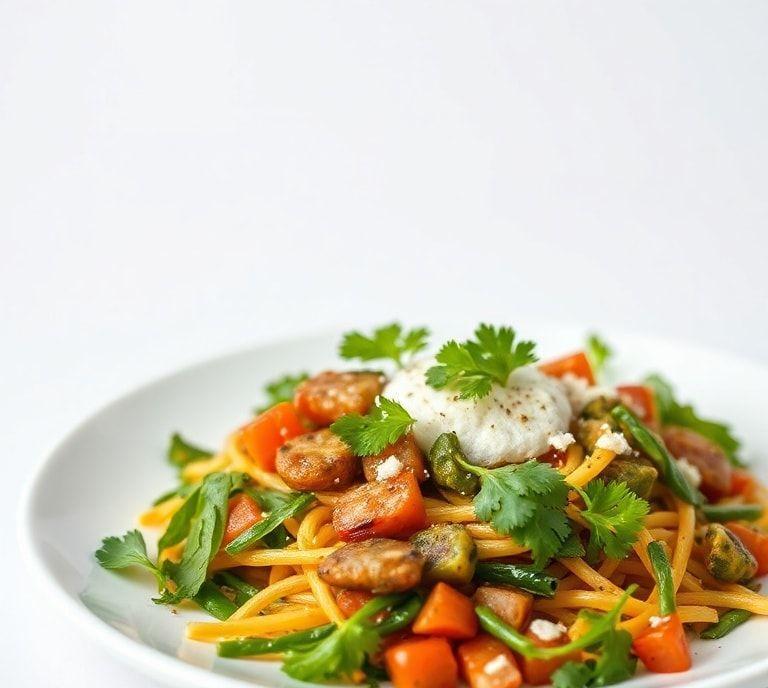
This recipe is a perfect blend of hearty lentils, protein-packed chickpeas, and the warm spices that Middle Eastern dishes are known for. It’s vegetarian, nourishing, and the best part? It’s ridiculously easy to make. Imagine cozying up with a bowl of this stew on a cool evening, the scent of cumin and coriander filling your kitchen. It’s comforting, wholesome, and so full of flavor you’ll be hooked at the first spoonful.
Ingredients Needed
- 1 cup dried green lentils: Lentils are a staple in Middle Eastern cooking, full of fiber and protein, and they absorb the flavors of the spices beautifully. I personally love green lentils for their earthiness and their perfect texture.
- 1 can (15 oz) chickpeas, drained and rinsed: Chickpeas are another Middle Eastern hero-dense with protein and fiber, they’re a great addition to any stew or salad.
- 1 medium onion, diced: The base for nearly every Middle Eastern dish I’ve ever made. Onions give that subtle sweetness and depth when sautéed.
- 3 cloves garlic, minced: Garlic adds a savory punch, and when it’s sautéed with onions, it creates that magic smell that fills the kitchen.
- 1 tablespoon ground cumin: One of the most iconic Middle Eastern spices, cumin brings a smoky warmth that pairs so well with lentils and chickpeas.
- 1 tablespoon ground coriander: Coriander is citrusy and slightly sweet. It brightens the entire dish and complements the cumin perfectly.
- 1 teaspoon ground turmeric: Turmeric gives this stew its rich color and a subtle earthy flavor.
- 1 teaspoon ground cinnamon: I know cinnamon might sound surprising in a stew, but trust me-it adds warmth and depth.
- 1 tablespoon tomato paste: For that rich, slightly tangy base.
- 4 cups vegetable broth: This gives the stew its liquid foundation, making it perfect for soaking up all the flavors.
- 2 tablespoons olive oil: Olive oil is a must in Middle Eastern cooking. It adds a subtle richness that’s hard to beat.
- Salt and pepper to taste
- 1 lemon, for garnish (optional but recommended): The bright tang of lemon balances the warmth of the spices.
Cooking Instructions
- Prepare the lentils: First, rinse your lentils under cold water. It’s a simple step, but I always find it helps remove any dirt or debris and ensures that the lentils cook evenly.
- Sauté the aromatics: In a large pot, heat the olive oil over medium heat. Once hot, add the diced onion and sauté for about 5 minutes, until the onion softens and becomes golden. This is when your kitchen will start to smell amazing. Add the minced garlic and cook for another minute, just until fragrant.
- Add the spices: This is the fun part. Add cumin, coriander, turmeric, cinnamon, salt, and pepper to the pot. Stir it all together for a minute or so, just long enough for the spices to toast and release their oils. You’ll notice the warmth of the spices filling the air. Trust me, it smells incredible.
- Combine with the base: Stir in the tomato paste, and then pour in the vegetable broth. Let everything come to a simmer, and add the rinsed lentils. Bring the whole thing to a boil, then reduce the heat to low. Cover the pot and simmer for about 20-25 minutes, or until the lentils are tender.
- Add the chickpeas: Once the lentils are tender, stir in the chickpeas. Let them cook in the stew for about 10 minutes, just enough to heat through and absorb the flavors.
- Adjust seasoning: Give it a taste and adjust the seasoning with more salt, pepper, or spices if needed. This is where you can make the dish your own.
- Serve: Ladle the stew into bowls, and if you like, squeeze a little lemon juice over the top for that fresh pop. Garnish with some fresh herbs, like cilantro or parsley, and enjoy!
Ingredient Science Spotlight: Why This Recipe Works
Each ingredient in this stew brings something unique to the table, both in terms of flavor and nutrition. Lentils, for example, are a powerhouse of protein and fiber, making this dish filling and satisfying. Chickpeas, also full of protein, bring a lovely texture to the dish-soft yet hearty. The spices are where the magic happens. Cumin is known for its anti-inflammatory properties and is a digestive aid. Coriander, on the other hand, is often used to promote healthy digestion and is full of antioxidants. Turmeric, that golden spice, is praised for its anti-inflammatory effects and its ability to improve brain function.
The olive oil in this dish is a source of heart-healthy fats, and the vegetable broth not only adds flavor but ensures that the dish is rich in nutrients, too. That squeeze of lemon at the end isn’t just for flavor; vitamin C from the lemon helps to increase the absorption of iron from the lentils. So, with every spoonful, you’re feeding your body a blend of essential nutrients-while your taste buds are dancing with joy.
Expert Tips
- Soak your lentils: If you have time, soaking your lentils before cooking can help them cook faster and become even more tender.
- Play with the spices: Don’t be afraid to adjust the spices to your liking. If you want a spicier kick, add a pinch of cayenne pepper. Want a smokier depth? Try a bit of smoked paprika.
- Make it creamy: For a richer texture, add a splash of coconut milk or a dollop of plain yogurt when serving.
- Top with fresh herbs: Fresh cilantro or parsley will brighten the stew, giving it an extra layer of freshness.
- Freeze for later: This stew freezes beautifully. If you make a big batch, portion it out and freeze it for a quick, healthy meal on a busy day.
Recipe Variations
This recipe is wonderfully adaptable. Here are a few variations to keep things interesting:
- Add greens: Kale, spinach, or Swiss chard would work beautifully here. Just toss them in at the end and let them wilt in the hot stew.
- Roast the veggies: For an added depth of flavor, try roasting the lentils and chickpeas in the oven with olive oil and spices before adding them to the pot.
- Make it spicy: If you love heat, add some chopped green chilies or a sprinkle of red pepper flakes during the sautéing process.
Final Words
This recipe is a beautiful way to explore the bold and comforting flavors of Middle Eastern cuisine. It’s simple, healthy, and packed with flavor-perfect for busy weeknights, meal prep, or whenever you’re in the mood for something satisfying yet nourishing. The best part is that you can tweak it to suit your preferences, making it your own.
Cooking should be a joyful experience, and this stew is the epitome of that: it’s full of love, warmth, and rich, layered flavors that have been passed down through generations. When you make this dish, you’re not just cooking-you’re carrying on a tradition that has been loved for centuries.
FAQs
What Are Some Common Ingredients Used In Middle Eastern Vegetarian Recipes?
Common ingredients in Middle Eastern vegetarian recipes include a variety of vegetables, legumes, grains, and herbs. Some of the key ingredients are chickpeas, lentils, eggplant, tomatoes, cucumbers, and olives. Spices such as cumin, coriander, turmeric, cinnamon, and sumac are frequently used to add depth of flavor. Olive oil, garlic, onions, tahini, and fresh herbs like parsley and mint also play a vital role in enhancing the dishes.
What Is A Popular Middle Eastern Vegetarian Dish That I Can Try?
A popular and easy-to-make Middle Eastern vegetarian dish is “Falafel”. These crispy, deep-fried balls are made from ground chickpeas (or fava beans) mixed with herbs, onions, garlic, and spices such as cumin and coriander. They are typically served in pita bread with fresh vegetables and tahini sauce or yogurt, making them a delicious and filling vegetarian option.
Are Middle Eastern Vegetarian Recipes Suitable For A Vegan Diet?
Yes, many Middle Eastern vegetarian recipes are naturally vegan or can be easily adapted to a vegan diet. Dishes like ’Hummus’ (a blend of chickpeas, tahini, garlic, and olive oil), ’Baba Ganoush’ (a smoky eggplant dip), and ’Tabbouleh’ (a refreshing parsley and bulgur salad) are naturally vegan. By substituting dairy-based ingredients like yogurt or cheese with plant-based alternatives, you can enjoy a wide variety of vegan-friendly Middle Eastern dishes.