I’ve always felt that food is a way of experiencing a place, even if you can’t physically be there. There’s something about the blend of flavors, spices, and textures that tells the story of a culture-its history, its people, and their land. Moroccan cuisine, in particular, has always fascinated me. The food reflects centuries of cultural intersections: Berber, Arab, French, and even sub-Saharan African influences are woven into its flavors.
While Moroccan food is often known for its meat-heavy dishes like lamb tagine or chicken with preserved lemons, it’s equally rich when it comes to vegetarian options. I can still remember the first time I tasted a Moroccan vegetable tagine at a little restaurant in the heart of Marrakech. It was a slow-cooked masterpiece that had me hooked from the first bite. The sweet, savory, and slightly spicy medley of vegetables in a fragrant sauce felt like an invitation into the country’s vibrant culinary soul.
Today, I want to share with you a simple yet flavorful Moroccan vegetarian recipe that captures the essence of this wonderful cuisine. It’s perfect for when you want to experience something exotic, without having to leave your kitchen.
Moroccan Vegetarian Recipe
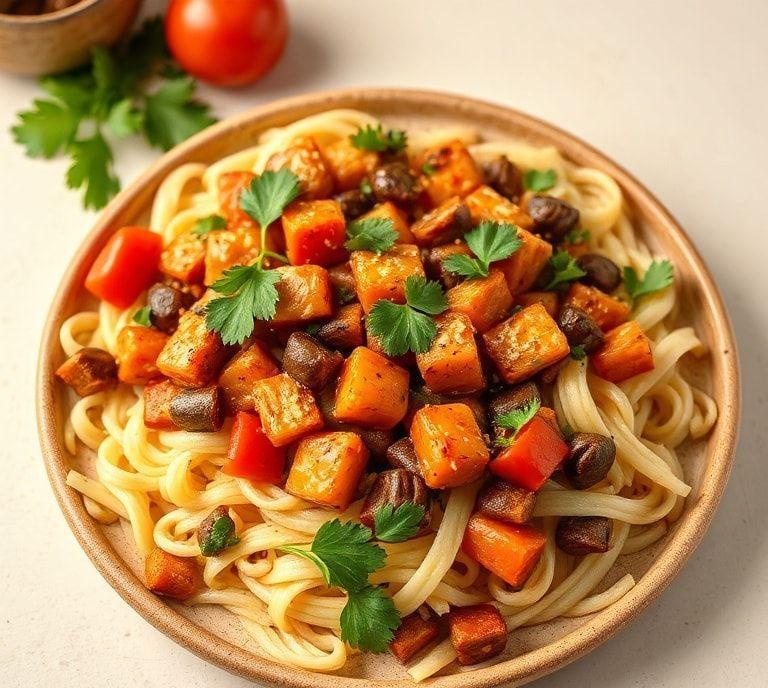
This recipe is a hearty Moroccan vegetable tagine, a dish that uses a variety of seasonal vegetables simmered in a spiced, rich tomato sauce. The beauty of this dish is in its versatility. You can use almost any vegetable you like or have on hand. The base of the tagine is rich with earthy cumin, coriander, and cinnamon, creating a fragrant and aromatic stew. A handful of dried fruits like apricots or raisins add a touch of sweetness, while a scattering of fresh herbs at the end rounds everything out.
You can make this dish in a tagine (if you have one), but a Dutch oven or large pot works just as well.
Ingredients Needed
- 1 tablespoon olive oil: This will be the base for sautéing the vegetables.
- 1 onion, finely chopped: Adds a lovely sweetness and depth when caramelized.
- 2 garlic cloves, minced: Garlic is one of those ingredients that can transform a dish. In Moroccan cuisine, it’s often paired with spices to create a robust base flavor.
- 2 carrots, peeled and chopped: Carrots add a slight sweetness and color to the dish.
- 1 zucchini, chopped: The zucchini soaks up all the wonderful flavors from the sauce.
- 1 bell pepper (red or yellow), chopped: For a little crunch and color.
- 1 can (14 oz) diced tomatoes: The tomatoes will create the base of the sauce.
- 1 cup vegetable broth: Adds depth to the sauce without overwhelming the flavors.
- 1 teaspoon ground cumin: One of the key spices in Moroccan cooking. It has a warm, earthy flavor.
- 1 teaspoon ground coriander: Another essential spice in Moroccan food. It brings a citrusy, floral note.
- 1 teaspoon ground cinnamon: This adds a sweet, aromatic depth to the dish.
- 1/2 teaspoon ground turmeric: Gives the dish a beautiful golden hue and a mild bitterness.
- 1/2 cup dried apricots, chopped: Adds a touch of natural sweetness and chewy texture.
- 1/2 cup raisins or sultanas: These sweeten the tagine further and balance out the savory spices.
- Salt and pepper to taste: A seasoning staple.
- Fresh cilantro or parsley, chopped: Fresh herbs bring everything together.
- Chopped almonds or slivered almonds: Optional, for a crunch on top.
Cooking Instructions
- Sauté the base: Heat the olive oil in a large pot over medium heat. Add the onion and sauté for about 5-7 minutes until it softens and turns golden. Add the garlic and cook for another minute, stirring constantly to avoid burning.
- Add the vegetables: Stir in the carrots, zucchini, and bell pepper. Let them sauté with the onions and garlic for another 5 minutes. This step helps the vegetables begin to release their flavors.
- Spices and tomatoes: Sprinkle in the cumin, coriander, cinnamon, and turmeric, and stir to coat the vegetables in the spices. Add the diced tomatoes, and vegetable broth. Stir everything together, making sure the spices are well-distributed.
- Simmer the tagine: Add the dried apricots and raisins, stir, then bring the mixture to a simmer. Cover the pot and let it cook on low heat for about 30-40 minutes, or until the vegetables are tender and the flavors have melded together. Stir occasionally to prevent sticking.
- Finishing touches: Once the vegetables are cooked through, season with salt and pepper to taste. Sprinkle fresh cilantro or parsley over the top just before serving. You can also add slivered almonds for a little texture if you like.
Ingredient Science Spotlight
Let’s take a moment to dive into the science behind some of the ingredients in this recipe. It’s incredible how these simple ingredients work together to create something so complex.
- Cumin: One of the cornerstones of Moroccan cooking, cumin is rich in antioxidants and compounds that have anti-inflammatory properties. It also helps with digestion and can promote better absorption of nutrients. In this dish, cumin adds a nutty, warm flavor that pairs perfectly with the sweetness of the vegetables.
- Apricots and raisins: Both dried fruits contribute natural sugars and antioxidants, with apricots offering a good source of vitamin A, which is essential for eye health. The sweetness of these fruits is key in balancing the earthy spices, creating that beautiful dance of sweet and savory.
- Cinnamon: This spice is not just a flavor enhancer-it’s packed with health benefits, too. It’s rich in polyphenols, which are antioxidants, and has been linked to improved blood sugar regulation. In the tagine, cinnamon provides that comforting warmth that makes this dish feel like a cozy hug.
Expert Tips
- Make it ahead: Like most stews and braised dishes, this tagine tastes even better the next day. The flavors have more time to meld, so make it ahead of time and let it rest in the fridge overnight. You can also freeze leftovers for later!
- Spice level: If you like a bit of heat, consider adding a pinch of cayenne pepper or some chopped fresh chili with the garlic. You can adjust the spice levels based on your preference, but keep in mind that Moroccan cuisine is more about layering spices rather than just making things spicy.
- Tagine or Dutch oven: A tagine is a traditional Moroccan cooking vessel, which helps create the perfect cooking environment by trapping steam and circulating it back into the dish. If you don’t have a tagine, a Dutch oven or heavy-bottomed pot works perfectly, just make sure to stir occasionally to prevent burning.
- Serving suggestions: This dish pairs wonderfully with couscous or flatbread. The couscous soaks up all the flavorful sauce, and the bread is perfect for mopping up any leftover goodness.
Recipe Variations
- Add chickpeas: If you want to add more protein, toss in a can of drained and rinsed chickpeas toward the end of cooking. Chickpeas will absorb the spices and become wonderfully tender in the sauce.
- Other vegetables: You can swap in other seasonal vegetables like sweet potatoes, butternut squash, or parsnips. The beauty of a tagine is its flexibility, so use whatever is available to you.
- Add nuts: For a richer flavor, toss in some toasted pine nuts or pistachios. These add a wonderful crunch that contrasts with the softness of the vegetables.
Final Words
When I think of Moroccan food, I think of slow meals that bring people together, meals that take time to cook but are so worth the effort. This vegetable tagine embodies that spirit. It’s a dish that celebrates patience, simplicity, and bold flavors all at once.
It’s also incredibly forgiving. If you don’t have all the ingredients, don’t stress. The recipe can adapt easily based on what you have on hand. A dish like this reminds me of the beauty of cooking: it’s not about following a rigid formula, but about enjoying the process of making something that’s nourishing for both the body and the soul.
FAQs
What Are Some Popular Ingredients Used In Moroccan Vegetarian Recipes?
Moroccan vegetarian recipes often feature a variety of vibrant, aromatic ingredients such as couscous, chickpeas, lentils, eggplant, zucchini, tomatoes, carrots, and a variety of herbs and spices like cumin, coriander, cinnamon, saffron, paprika, and turmeric. Dried fruits like apricots, raisins, and dates are also commonly used to add sweetness and depth to the dishes.
How Do I Make A Traditional Moroccan Vegetarian Tagine?
To make a traditional Moroccan vegetarian tagine, start by sautéing onions, garlic, and a mix of spices (such as cumin, coriander, cinnamon, and paprika) in olive oil. Add vegetables like carrots, potatoes, and zucchini, followed by chickpeas or other legumes. Pour in vegetable broth and simmer until the vegetables are tender. Garnish with fresh herbs like cilantro and parsley, and serve with couscous or bread. A tagine pot is ideal, but any heavy-bottomed pot can work.
Are Moroccan Vegetarian Recipes Suitable For A Vegan Diet?
Yes, many Moroccan vegetarian recipes can be easily adapted for a vegan diet. Dishes like couscous with roasted vegetables, vegetable tagine, and lentil soup are naturally vegan. If a recipe includes dairy, such as in certain sauces or dishes that use yogurt, it can be substituted with plant-based alternatives like coconut milk or almond yogurt to make it fully vegan.