There’s something deeply comforting about a well-made moussaka. Its layers of tender vegetables, creamy béchamel sauce, and aromatic spices create a dish that feels like home, no matter where you’re from. Growing up in a household where food was the language of love, I remember watching my grandmother prepare her moussaka with a sense of reverence. The kitchen filled with the scents of garlic, cinnamon, and tomatoes, and I’d sneak bites of the roasted eggplant as she layered everything together. Even then, I could feel the significance of each ingredient as it contributed to the rich, soul-satisfying dish. This recipe I’m sharing today is a vegetarian version of moussaka, made with fresh, seasonal vegetables and all the flavor without the meat.
Moussaka is one of those dishes that invites you to slow down and enjoy the process of cooking. While it may seem like a lot of work at first glance, the layers of flavor it offers are more than worth it. And when you make it yourself, it’s a labor of love that fills the house with a sense of anticipation-your own personal invitation to experience comfort and warmth in every bite.
Moussaka Vegetarian Recipe
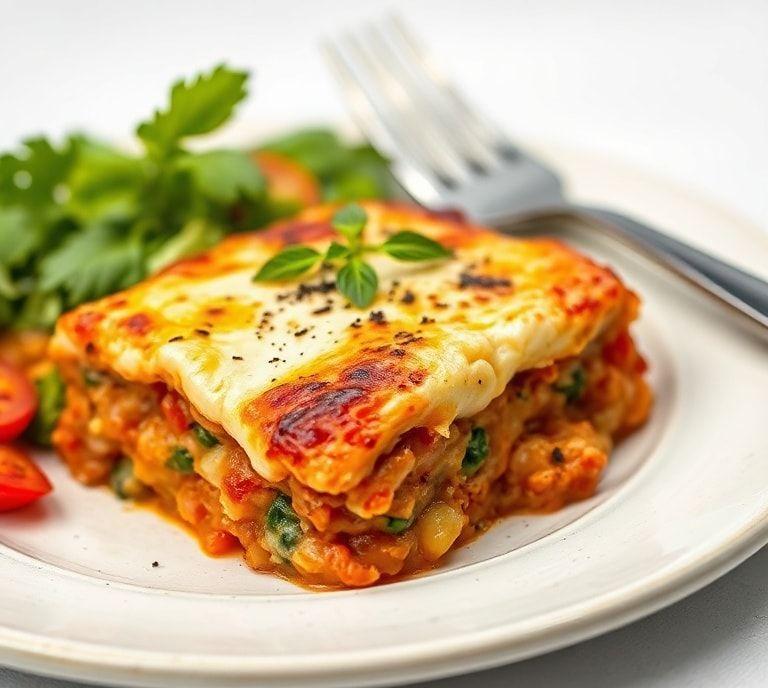
This vegetarian moussaka recipe uses eggplant and zucchini in place of the traditional meat layers. The key to making it delicious is to ensure that the vegetables are properly prepared and that the béchamel sauce is rich and smooth. Trust me, once you’ve made this dish, you’ll wonder why you ever settled for anything less.
Ingredients Needed
Before we dive into the cooking, let’s go over the ingredients. You probably already have most of them in your pantry or fridge, and there’s something magical about the simple, fresh ingredients coming together to create such a complex, satisfying dish.
For The Vegetable Layer
- 2 medium eggplants: These are the heart of any moussaka. They soak up all the flavors and provide that meaty texture.
- 2 medium zucchinis: Zucchini gives a subtle sweetness and balance to the dish.
- 1 large onion: Sweet and aromatic, onions add a depth of flavor to the sauce.
- 2 cloves garlic: Fresh garlic is a must-don’t skimp on it.
- 2 tablespoons olive oil: You’ll need this for sautéing and drizzling over the eggplant and zucchini as they roast.
- 1 can (14 oz) diced tomatoes: This brings some acidity and sweetness, complementing the richness of the dish.
- 1 teaspoon dried oregano: Classic moussaka flavor-earthy and slightly pungent.
- 1 teaspoon ground cinnamon: This adds a warm, sweet note that’s characteristic of moussaka.
- Salt and pepper: Always season to taste!
For The Béchamel Sauce
- 4 tablespoons unsalted butter: This gives the sauce its rich base.
- 1/4 cup all-purpose flour: To thicken the sauce and make it creamy.
- 2 cups whole milk: Whole milk adds the perfect creaminess, but you can use a plant-based milk if preferred.
- 1/2 teaspoon ground nutmeg: A pinch of nutmeg is the secret ingredient that makes this sauce stand out.
- 1/2 cup grated Parmesan cheese: This adds a bit of saltiness and depth to the béchamel.
For Assembly
- Fresh parsley: For a pop of color and freshness when serving.
Cooking Instructions
-
Prepare The Vegetables
Start by slicing your eggplant into 1/4-inch thick rounds. If you’ve had trouble with eggplant being too bitter in the past, salt these slices and let them sit for about 20 minutes. This helps draw out some of the moisture and bitterness. Once they’ve sat, rinse and pat them dry. Slice the zucchini in a similar manner.
Preheat your oven to 400°F (200°C), and line two baking sheets with parchment paper. Drizzle the eggplant and zucchini with olive oil, sprinkle with a bit of salt and pepper, and spread them evenly across the sheets. Roast for about 25 minutes, flipping halfway through, until they’re golden brown and tender.
-
Sauté The Vegetables
While your eggplant and zucchini roast, heat a bit of olive oil in a large pan over medium heat. Add the chopped onion and cook for about 5 minutes until it softens and becomes translucent. Add the garlic and cook for another 2 minutes, letting the fragrance fill the air. Stir in the diced tomatoes, oregano, cinnamon, and a pinch of salt and pepper. Let the sauce simmer for 10-15 minutes until it thickens and the flavors meld.
-
Make The Béchamel Sauce
In a saucepan, melt the butter over medium heat. Whisk in the flour and cook for about 2 minutes to create a roux. Gradually add the milk while whisking constantly to avoid lumps. Continue to cook, stirring frequently, until the sauce thickens-about 5 minutes. Stir in the grated Parmesan and nutmeg, then season with salt and pepper. Remove from heat.
-
Assemble The Moussaka
In a greased 9×13-inch baking dish, start by layering the roasted eggplant at the bottom. Top it with half of the tomato sauce mixture. Next, layer the zucchini, followed by the remaining tomato sauce. Pour the béchamel sauce over the top, spreading it evenly with a spatula. Bake in the oven for 25-30 minutes until the top is golden brown and bubbly. Let it cool for a few minutes before serving.
Ingredient Science Spotlight
Let’s take a deeper look at some of the ingredients that make this dish so special. First, the eggplant: this vegetable is a spongy marvel, capable of soaking up oil and liquids like no other. When you roast or grill it, the heat caramelizes the sugars, creating that lovely smoky flavor that is so integral to moussaka. Roasting it before layering into the dish helps eliminate any bitterness and ensures the eggplant holds its shape rather than turning into mush.
Zucchini, often seen as a filler vegetable, is the perfect complement to eggplant in this dish. It adds a subtle sweetness and a slight crunch, balancing the richness of the other ingredients.
As for the béchamel sauce, this French classic is made by creating a roux (butter and flour) and then adding milk to thicken it. The beauty of béchamel lies in its versatility-it’s creamy, neutral, and can take on whatever flavor you want to add to it, which is why it works so beautifully here. The nutmeg in the béchamel adds warmth, while the Parmesan brings an umami richness to the otherwise neutral sauce.
Expert Tips
- Don’t Skip the Roasting: Roasting your vegetables not only adds flavor but also removes excess moisture. Eggplant, in particular, can become soggy if not properly roasted.
- Make It Ahead of Time: Like many casserole dishes, moussaka tastes even better the next day after the flavors have had time to meld. You can prepare it a day ahead and refrigerate it overnight, then bake it when you’re ready.
- Béchamel Texture: If your béchamel becomes too thick while cooking, simply add a little extra milk to loosen it up. You want it to be pourable, but not too runny.
- Add a Crunch: If you’re craving a bit of texture, try sprinkling some breadcrumbs over the top before baking. They’ll toast nicely under the béchamel and give the moussaka a delightful crunch.
Recipe Variations
- Vegan Moussaka: Simply swap out the dairy ingredients for plant-based alternatives-use almond milk or oat milk in the béchamel and a vegan cheese in place of Parmesan. The rest of the recipe remains the same.
- Lentil Moussaka: Add cooked lentils to the tomato sauce mixture for added protein and a hearty, filling twist on this vegetarian dish.
- Spicy Moussaka: For a bit of heat, add a pinch of cayenne pepper or some chopped fresh chili to the tomato sauce layer. It’s a small tweak, but it’ll elevate the dish to something with a bit more punch.
Final Words
Moussaka is more than just a dish-it’s an experience. It invites you to savor the process, from slicing vegetables to layering the ingredients just so. And when you take that first bite, you’ll understand why this dish has such a hold on the hearts of so many. The depth of flavor from the roasted vegetables, the rich béchamel sauce, and the aromatic spices come together in a way that feels both timeless and new.
This vegetarian version of moussaka brings the essence of the traditional dish while catering to plant-based diets, offering a satisfying meal that will leave even meat lovers asking for more.
FAQs
What Are The Main Ingredients In A Vegetarian Moussaka?
A vegetarian moussaka typically includes layers of roasted or sautéed vegetables such as eggplant, zucchini, and potatoes. Instead of the traditional ground meat filling, a plant-based filling made with lentils or textured vegetable protein (TVP) is often used. Additionally, a rich béchamel sauce, made from plant-based milk and flour, replaces the usual dairy version.
Can I Make A Vegan Version Of Vegetarian Moussaka?
Yes, you can easily adapt a vegetarian moussaka recipe to make it vegan. To do so, simply replace the dairy-based béchamel sauce with a plant-based alternative, such as one made from almond or soy milk, thickened with flour and enriched with nutritional yeast for a cheesy flavor. Ensure that any cheese used in the recipe is dairy-free, or omit it entirely.
Can I Prepare Moussaka Ahead Of Time And Store It?
Yes, moussaka can be prepared ahead of time. You can assemble the entire dish, including the béchamel sauce, and store it in the refrigerator for up to two days before baking. Alternatively, you can bake the moussaka, let it cool, and then refrigerate it. Reheat it in the oven before serving. Moussaka can also be frozen for up to three months, though the texture of the vegetables may change slightly upon reheating.