The heart of Indian cooking often beats strongest in the kitchens of North India. It’s where flavors are deep, vibrant, and unapologetically bold, creating some of the most beloved dishes that stand the test of time. One of the joys of North Indian cuisine is its versatility, especially when it comes to vegetarian dishes. Whether you’re a vegetarian by choice or simply craving something different, these recipes offer a satisfying experience.
I remember my first attempt at cooking a traditional North Indian vegetarian dish-sarson da saag and makki di roti. It wasn’t just the cooking that stuck with me, but the care with which every ingredient was handled. The mustard greens were cooked slowly to bring out their earthy flavor, while the cornmeal flatbreads were crisped just right. That meal was a celebration, not just of food, but of culture, tradition, and patience. There’s something about the layers of spices, the texture of the dishes, and the thoughtfulness that goes into making them that is simply unforgettable.
Today, I’m excited to share a classic North Indian vegetarian recipe that is perfect for any occasion. It’s rich, flavorful, and guaranteed to bring a taste of North India to your kitchen.
North Indian Vegetarian Recipe: Aloo Gobi (Potato And Cauliflower Curry)
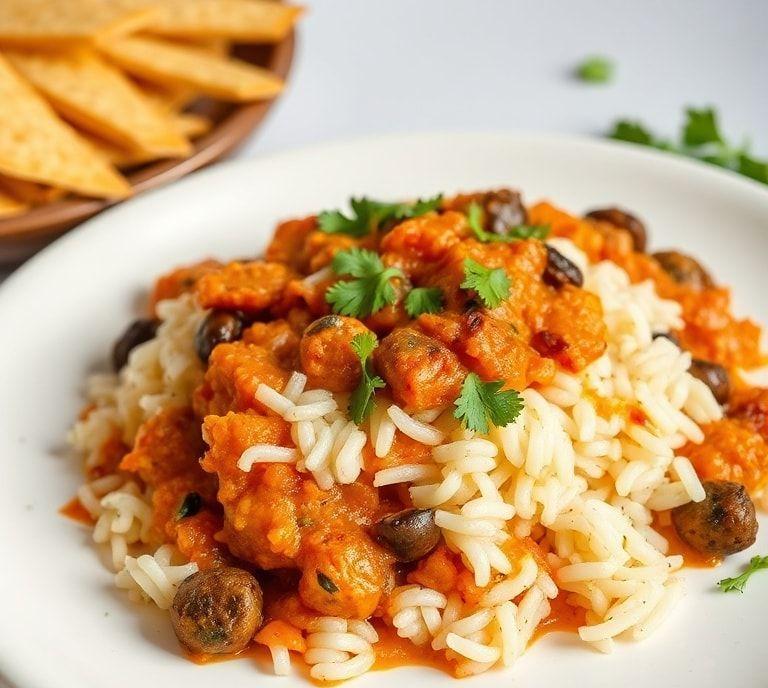
Aloo Gobi is one of those iconic dishes that’s seen at nearly every North Indian dinner table. The simple pairing of potatoes and cauliflower might sound like something you’d whip up in a hurry, but when you add the right spices, it becomes a symphony of flavors. The beauty of this dish lies in its humble ingredients, which, when treated with care, transform into something utterly magical.
When I first tasted Aloo Gobi, it was during a trip to a small town in Punjab. I had just finished a long day of sightseeing, and I wasn’t sure what to expect from a roadside dhaba (a small, rustic eatery) we stopped at. But as soon as I took that first bite of the dish, with its gentle warmth and aromatic spices, it instantly transported me back to every family dinner I’d ever had. The combination of cauliflower, potatoes, and a medley of spices was pure comfort food, no pretensions, just honest, earthy flavors.
Ingredients Needed
This recipe doesn’t demand fancy ingredients, but it does need the right ones to work its magic. Here’s what you’ll need:
- 2 medium potatoes (peeled and cut into cubes)
- 1 medium cauliflower (cut into florets)
- 2 tablespoons oil (vegetable or mustard oil works best)
- 1 teaspoon cumin seeds
- 1 teaspoon turmeric powder
- 1 teaspoon coriander powder
- 1 teaspoon garam masala
- 1 teaspoon ground cumin
- 1/2 teaspoon chili powder (adjust based on your heat preference)
- 1 onion (finely chopped)
- 2 tomatoes (chopped, or 1/2 cup canned tomato)
- 1-inch piece of ginger (grated or finely chopped)
- 2-3 cloves garlic (minced)
- Salt to taste
- Fresh cilantro (for garnish)
- 1/2 cup water (to help cook the vegetables)
Cooking Instructions
Step 1: Prep The Vegetables
Start by preparing your potatoes and cauliflower. The key to cooking Aloo Gobi is ensuring both the cauliflower and potatoes cook at the same rate, so try to chop them into similar-sized pieces. Heat the oil in a large pan or wok over medium heat. Once hot, add the cumin seeds and let them sizzle for a few seconds-this will release their earthy aroma into the oil.
Step 2: Saute The Onions, Ginger, And Garlic
Add the finely chopped onion to the pan and sauté it until it softens and turns golden brown. This step is crucial for developing the base of the dish. Add the ginger and garlic and continue cooking for another minute or two, letting the aromatic flavors combine.
Step 3: Spices Galore
Once your onion, ginger, and garlic are ready, it’s time to add the spices. Sprinkle in the turmeric powder, coriander powder, cumin powder, chili powder, and salt. Stir everything together so the spices can bloom in the hot oil and blend into the onion mixture. You’ll begin to notice that the kitchen starts to smell incredible at this point-spicy, earthy, and warm.
Step 4: Cook The Potatoes And Cauliflower
Add the potatoes to the pan and toss them in the spice mixture. Stir them around for a minute, then add the cauliflower florets. Stir to coat the vegetables in the spices, then add the chopped tomatoes. If you’re using fresh tomatoes, let them cook down for a few minutes until they soften. Add about 1/2 cup of water to the pan, cover it, and allow everything to cook on low heat for 20-25 minutes, or until the potatoes and cauliflower are tender.
Step 5: Garnish And Serve
Once everything is cooked, remove the lid and check the seasoning. Adjust salt and add the garam masala. Garnish with fresh cilantro for a touch of brightness and color. Your Aloo Gobi is now ready to serve!
Ingredient Science Spotlight
Now, let’s dig a little deeper into the science behind some of the key ingredients in Aloo Gobi.
- Potatoes: Often considered a simple, humble vegetable, potatoes are the backbone of many North Indian dishes. Their starch content helps to thicken the curry and adds a creamy texture when cooked. The key to perfect potatoes is to cook them slowly in the spice mix so they can absorb the flavors.
- Cauliflower: Cauliflower is often overlooked in terms of flavor, but it has an amazing ability to absorb the spices around it, making it a perfect vehicle for flavor in a curry. Plus, cauliflower is rich in antioxidants and vitamin C, offering a nutritional boost to this dish.
- Cumin and Coriander: These spices are the heart and soul of many Indian curries. Cumin has a nutty, warm flavor that enhances the earthiness of potatoes, while coriander adds a citrusy, almost sweet note that brightens the entire dish. The combination of these spices provides a balanced, harmonious flavor profile.
Expert Tips
- Slow Cooking: One of the best ways to bring out the flavors in Aloo Gobi is by cooking it slowly over low heat. This allows the potatoes to fully absorb the spices while maintaining their texture. Be patient-it’s worth it.
- Use Mustard Oil: While vegetable oil works fine, mustard oil is more authentic and adds an extra depth of flavor that pairs beautifully with the spices. If you can get your hands on it, try using it for that slightly pungent, mustardy undertone.
- Customize the Heat: If you’re not a fan of too much heat, feel free to adjust the chili powder to suit your taste. You can also substitute with paprika for a mild heat.
- Add Some Peas: Aloo Gobi is wonderfully versatile. Adding green peas toward the end of cooking gives a nice pop of sweetness and a burst of color.
Recipe Variations
- Aloo Gobi Methi: Add a handful of fresh fenugreek leaves (methi) at the end of cooking for a slightly bitter, aromatic twist. This variation is perfect for those who like a more complex flavor profile.
- Aloo Gobi with Paneer: For a heartier meal, cube some fresh paneer and stir it in toward the end of cooking. The paneer soaks up the curry’s flavors and gives the dish a rich, creamy texture.
- Aloo Gobi with Tomatoes and Cream: If you’re craving a slightly richer version, add a couple of tablespoons of cream to the dish after it’s cooked. This will mellow out the spices and give the curry a luxurious, velvety feel.
Final Words
North Indian vegetarian dishes, like Aloo Gobi, have a remarkable ability to transform simple ingredients into something extraordinary. This dish, with its grounding spices and comforting textures, is more than just a meal-it’s an experience. The next time you make it, take your time with the cooking. Allow the flavors to develop and don’t rush through the steps. And when you sit down to enjoy it, savor every bite-it’s a reflection of the culture, the land, and the people who have been perfecting these recipes for generations.
FAQs
What Are Some Popular North Indian Vegetarian Recipes?
North Indian cuisine offers a wide range of vegetarian dishes known for their rich flavors and aromatic spices. Popular recipes include Paneer Butter Masala, Chole (chickpea curry), Dal Makhani (creamy black lentils), Aloo Gobi (potato and cauliflower curry), Palak Paneer (spinach with cottage cheese), and Malai Kofta (vegetable dumplings in a creamy gravy). These dishes are typically served with Indian breads like naan, roti, or rice.
Which Spices Are Commonly Used In North Indian Vegetarian Recipes?
North Indian vegetarian recipes often rely on a combination of aromatic spices to create depth of flavor. Common spices include cumin, coriander, turmeric, garam masala, red chili powder, asafoetida (hing), cardamom, cloves, cinnamon, and mustard seeds. Fresh ingredients like ginger, garlic, green chilies, and cilantro are also frequently used to enhance taste and aroma.
Can North Indian Vegetarian Recipes Be Adapted For A Healthy Diet?
Yes, North Indian vegetarian recipes can be adapted to be healthier without compromising taste. Methods include using less oil or ghee, substituting cream with low-fat yogurt, opting for whole wheat flour for breads, steaming or baking instead of deep-frying, and incorporating more vegetables and lentils. Additionally, controlling the amount of salt and sugar in curries and desserts can help maintain a balanced diet while enjoying traditional flavors.