Okonomiyaki, often called "Japanese pizza" or "Japanese pancake," is one of those dishes that pulls you in from the moment you hear about it. It’s messy in the best way, packed with flavors that seem so simple, yet explode with complexity. The beauty of okonomiyaki is how adaptable it is, letting you customize every bite. Think of it as a creative canvas where you can mix and match different vegetables, proteins, and sauces, all held together by a simple batter. The versatility makes it feel like a dish you can "throw together" but it’s surprisingly satisfying and comforting.
Growing up, I remember making okonomiyaki with my family during the weekend. It wasn’t just about eating-it was an event. Each person would contribute their favorite fillings, and we’d cook them on a griddle, flipping the pancakes with a bit of skill and a lot of laughs. My first okonomiyaki was so burnt on one side I thought I’d ruined the whole batch, but it didn’t matter. We ate it anyway, smothered in tangy sauce and mayonnaise, and I learned that even the imperfect meals can be the best ones.
Today, I’m excited to share a vegetarian version of okonomiyaki that captures the spirit of this delicious dish while focusing on fresh, wholesome ingredients. This recipe will give you the foundation to create your own masterpieces, just like my family did. Ready? Let’s dive in!
Okonomiyaki Vegetarian Recipe
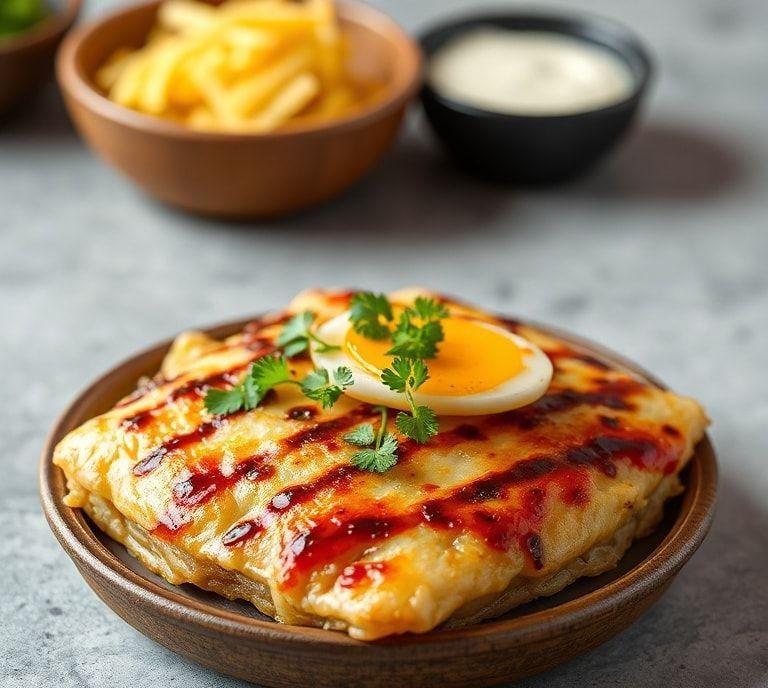
This vegetarian okonomiyaki recipe is packed with crunchy cabbage, earthy mushrooms, and vibrant vegetables, all bound together in a savory batter. Unlike the classic okonomiyaki which may use meat or seafood, this version lets the vegetables take the spotlight. While it’s a hearty meal on its own, the toppings can elevate it to a whole new level.
Ingredients Needed
- Cabbage – The base of every okonomiyaki, offering a crunch that holds up perfectly when cooked.
- Mushrooms (shiitake, cremini, or button) – Earthy and meaty in texture, mushrooms add a deep umami flavor.
- Green onions – These bring a mild sharpness that cuts through the richness of the pancake.
- Carrot – Adds a nice sweetness and a pop of color.
- All-purpose flour – The foundation for the batter that holds everything together.
- Cornstarch – Helps give the batter a light and crispy texture.
- Egg – Helps bind the ingredients and adds a bit of richness. If you prefer a vegan option, you can replace it with a flax egg or a vegan binder.
- Vegetable broth – For added moisture and flavor to bring everything together.
- Soy sauce – Adds a salty depth of flavor.
- Baking powder – Gives the batter a bit of lift, creating a fluffy texture.
- Salt and pepper – To taste, naturally.
- Cooking oil – For frying the pancakes to golden perfection.
For the toppings:
- Okonomiyaki sauce – This tangy-sweet sauce is the heart of the dish, a mix of Worcestershire sauce, ketchup, soy sauce, and a dash of sugar.
- Mayonnaise – A creamy contrast to the savory flavors.
- Bonito flakes (optional for a non-vegan version) – For that final touch of smoky flavor and aesthetic appeal.
- Pickled ginger (optional) – For a zesty, refreshing kick.
Cooking Instructions
- Prepare the vegetables: Start by finely shredding the cabbage and chopping the green onions. Grate the carrot and slice the mushrooms. The key to a good okonomiyaki is keeping the vegetables in bite-sized pieces. This ensures a good balance between the vegetables and the batter when you cook them.
- Make the batter: In a large bowl, combine the flour, cornstarch, baking powder, soy sauce, and a pinch of salt. Add the egg and pour in the vegetable broth slowly, mixing until you have a smooth batter that’s slightly thicker than pancake batter. You want the batter to be able to coat the vegetables without being too runny.
- Combine the veggies and batter: Add the cabbage, mushrooms, green onions, and carrot into the batter. Mix everything until it’s all well-coated with the batter. The veggies should hold their shape, but you want them to be fully integrated into the batter.
- Cook the okonomiyaki: Heat a bit of oil in a large skillet over medium heat. Once hot, spoon half of the vegetable-batter mixture into the pan, flattening it into a round pancake shape about 1-1.5 inches thick. Don’t worry if it’s a little uneven-that’s part of the charm!
- Flip carefully: Cook the pancake for 4-5 minutes on the first side, until it’s golden brown. Use a large spatula to gently flip it over. I always use two spatulas for extra support-one under the pancake and one to help guide the flip. Cook for another 4-5 minutes until both sides are crispy and golden.
- Serve and garnish: Once the okonomiyaki is cooked, transfer it to a plate. Drizzle it with okonomiyaki sauce and mayonnaise. Sprinkle some green onions on top, and if you like, a few bonito flakes for that smoky finish.
Ingredient Science Spotlight
The magic of okonomiyaki lies in the combination of textures and flavors, and this is where ingredient science comes into play. For instance, cabbage is the quintessential base because of its structure and moisture. When cooked, it softens but maintains enough crunch to give the pancake that essential texture contrast.
Mushrooms, on the other hand, are a texture powerhouse. The meaty quality of mushrooms adds a satisfying bite, and they’re known to boost umami-one of the five basic tastes that we perceive as savory and rich. Shiitake mushrooms, in particular, are packed with compounds that help deepen the flavor of the dish.
The flour and cornstarch provide the foundation of the batter, but the cornstarch’s unique property is to create a crispier texture when cooked. This is why okonomiyaki has that nice crispy crust while still staying tender inside. The key here is balancing the moisture in the batter with the veggies’ natural water content, so the pancake doesn’t become too soggy.
Expert Tips
- Don’t overstuff the batter: While it’s tempting to load up on veggies, too many can overwhelm the batter and cause it to fall apart. Keep a good balance so each bite has a nice blend of veggies and a crispy edge.
- Low and slow: Cook the okonomiyaki on medium heat. If you cook it too fast, the outside will burn before the inside is fully cooked. A slower, more even cook ensures a crispy exterior and a tender interior.
- Use a lid: If you find the pancake is cooking too quickly on the outside and not enough on the inside, cover the pan with a lid for a minute or two to help steam the inside. This trick helps it cook through without drying out the outer layer.
- Vegan alternative: If you want to make it vegan, replace the egg with a flaxseed egg or a mixture of aquafaba (the liquid from canned chickpeas). You’ll still get a batter that holds everything together.
Recipe Variations
- Kimchi Okonomiyaki: For a spicy twist, stir some finely chopped kimchi into the batter. The fermented tang and heat from the kimchi pairs beautifully with the savory pancake.
- Cheese-filled Okonomiyaki: Add a slice or two of your favorite cheese (cheddar or mozzarella work great) in the center before cooking, so it melts into the pancake. It’s like a fusion between okonomiyaki and a grilled cheese sandwich!
- Sweet Potato Okonomiyaki: Swap the carrots for thinly sliced sweet potatoes. They add a slightly sweet, starchy element that makes the okonomiyaki more filling.
- Gluten-Free Version: Swap out the all-purpose flour for a gluten-free blend. You can use rice flour or chickpea flour as a base for the batter, adjusting the liquid to get the right consistency.
Final Words
Okonomiyaki is more than just a dish; it’s a celebration of flavors, textures, and the joy of cooking together. Its flexibility makes it approachable for anyone, no matter your dietary preferences. Whether you’re making it for a cozy dinner or preparing it as a fun activity with friends or family, it’s the kind of meal that brings people together. You can keep it traditional or give it your personal touch. Every pancake is different, and that’s the beauty of it.
FAQs
What Ingredients Are Essential For Making A Vegetarian Okonomiyaki?
For a vegetarian okonomiyaki, the essential ingredients include all-purpose flour, grated nagaimo or yam (optional for fluffiness), water or vegetable broth, shredded cabbage, green onions, and a combination of vegetables such as carrots, mushrooms, or bell peppers. Eggs are typically used as a binder, but a flaxseed or chia seed mixture can be substituted for a vegan version. Toppings may include vegetarian okonomiyaki sauce, Japanese mayonnaise, pickled ginger, and aonori (seaweed flakes).
How Can I Make Okonomiyaki Without Eggs For A Fully Vegan Version?
To make a vegan okonomiyaki, replace eggs with a plant-based binder. Common options include a mixture of 1 tablespoon ground flaxseed or chia seeds with 3 tablespoons water per egg, which should sit for 5-10 minutes to thicken. Another option is using silken tofu or mashed potatoes as a binder. These alternatives help hold the batter together while maintaining a similar texture and structure to the traditional egg-based version.
What Are Some Recommended Vegetarian Toppings And Sauces For Okonomiyaki?
Vegetarian toppings for okonomiyaki can include sliced green onions, pickled ginger, shredded nori, sesame seeds, and thinly sliced or sautéed vegetables such as mushrooms or bell peppers. For sauces, use vegetarian okonomiyaki sauce (available commercially or homemade using ketchup, soy sauce, and Worcestershire sauce without anchovies) and Japanese mayonnaise or a vegan mayonnaise alternative. These toppings add flavor and authenticity without using any animal products.