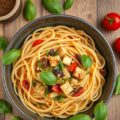
Pasta is one of those dishes that can instantly evoke a sense of comfort and warmth, no matter the time of year. It’s versatile, satisfying, and, when done right, incredibly easy to make. This one-pot vegetarian pasta recipe is a perfect example of simplicity meeting flavor. When I first stumbled upon the concept of one-pot pasta, I thought, how could such a humble dish bring so much joy? Well, I quickly learned that it wasn’t just about convenience-it was about the magic that happens when all the ingredients meld together in a single pot.
One of the things I love about this dish is how it can adapt to your mood or what you have in your pantry. It’s one of those recipes where you can throw in whatever you’re feeling or whatever’s in season. Over the years, I’ve made this with everything from fresh basil and tomatoes straight from the garden to pantry staples that are perfect for a weeknight meal. And let me tell you, whether you’re using mushrooms, spinach, or zucchini, it’s always delicious.
So, whether you’re a busy professional, a home cook looking for a hassle-free recipe, or just someone who enjoys the art of easy, flavorful meals, this dish is made for you. Grab a pot, some fresh ingredients, and let’s get cooking.
One Pot Pasta Vegetarian Recipe
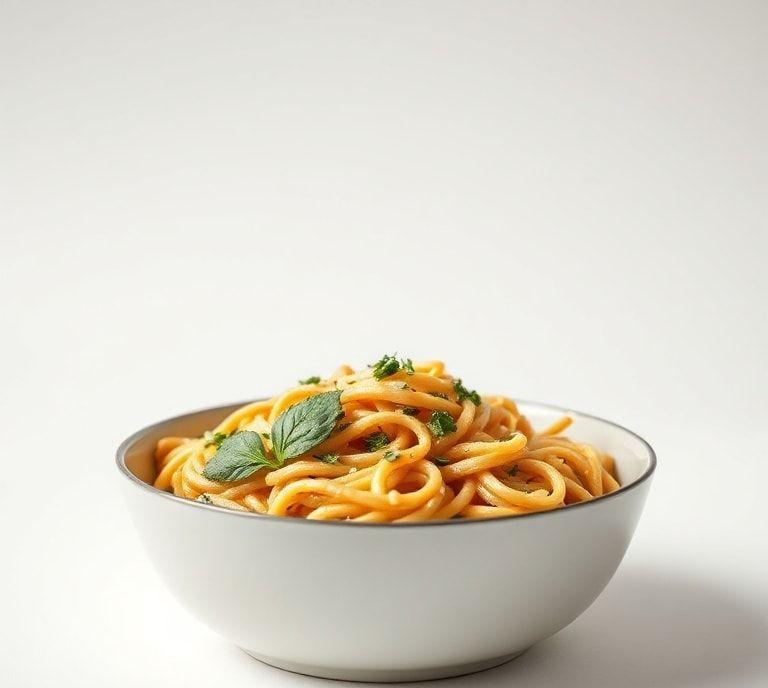
Ingredients Needed
This recipe is built on simplicity, using fresh and easily accessible ingredients. It’s a perfect pantry-to-table kind of dish, with all the key components that make pasta great. Here’s what you’ll need:
- Pasta (spaghetti, penne, or fusilli are great options)
- Olive oil (for sautéing)
- Garlic (minced, about 3-4 cloves)
- Cherry tomatoes (or any tomatoes you have on hand, cut into halves or quarters)
- Spinach (about 3 cups, fresh is preferred)
- Vegetable broth (for a rich, savory base)
- Cream or a plant-based substitute (this adds a nice, creamy texture to the sauce)
- Grated Parmesan cheese (optional, but it makes the dish sing)
- Herbs: fresh basil, oregano, and thyme (fresh herbs bring out incredible flavor)
- Salt and pepper (to taste)
- Lemon zest or juice (for a fresh, zesty kick)
Now, I know what you might be thinking-Can I swap out the ingredients? Absolutely! I’ll touch on that in a moment, but this basic list will give you a foundation to work with.
Cooking Instructions
Cooking doesn’t get much easier than this-everything comes together in a single pot, with minimal prep work. Here’s how you do it:
- Prepare your ingredients: Before you start, chop your garlic, slice your tomatoes, and get your herbs ready. Having everything prepped makes the process flow much smoother.
- Sauté the garlic: In a large pot or Dutch oven, heat a generous drizzle of olive oil over medium heat. Add the minced garlic and sauté until fragrant-about 30 seconds. This is when your kitchen starts to smell incredible.
- Add the tomatoes: Toss in the cherry tomatoes, and let them cook for about 5 minutes. They’ll soften and release their juices, creating a burst of fresh flavor.
- Add the pasta: Now, add your pasta to the pot. Pour in enough vegetable broth to just cover the pasta (around 4 cups, depending on the pasta type). Stir it a little to get the pasta evenly distributed.
- Simmer until tender: Bring everything to a boil, then reduce the heat to a simmer. Let the pasta cook in the broth, stirring occasionally. The liquid will absorb as the pasta cooks, turning into a rich, flavorful sauce. This usually takes about 10-12 minutes, depending on the pasta.
- Stir in the spinach: When the pasta is almost done, toss in the spinach. It wilts in just a minute or two, giving the dish a vibrant color and a slight earthy flavor.
- Cream it up: Once the pasta is cooked and most of the broth is absorbed, stir in the cream or plant-based cream. Let it warm through and coat the pasta in a creamy finish.
- Finish with cheese and herbs: If you’re using Parmesan, add it now. Stir it in for extra creaminess and depth. Sprinkle in fresh basil, oregano, and thyme, then season with salt, pepper, and a bit of lemon zest or juice to brighten everything up.
Ingredient Science Spotlight
Let’s take a moment to talk about why these ingredients work so well together.
- Pasta: This staple ingredient is what makes the dish filling. The starches in pasta are key to creating a natural sauce as the pasta releases its starches into the broth. It thickens the liquid and helps bind the flavors together.
- Tomatoes: Fresh tomatoes bring acidity and sweetness to balance the richness of the creamy sauce. They’re also a great source of lycopene, an antioxidant known for its heart-health benefits.
- Spinach: Spinach is packed with iron, fiber, and vitamins A and C. The beauty of spinach is that it wilts down to almost nothing in a short amount of time, adding nutrients without taking up too much space or cooking time.
- Broth: The vegetable broth is essential because it infuses the pasta with savory depth as it cooks. It also provides the base for the creamy sauce that envelops everything.
- Cream and Cheese: Both of these ingredients bring a rich, velvety texture to the dish. The cream coats the pasta, while the cheese adds umami, making the meal feel indulgent despite being light.
Expert Tips
To elevate this dish to the next level, here are a few tricks I’ve picked up along the way:
- Use high-quality broth: Since the broth is the main liquid component, using a good-quality vegetable broth can make all the difference. Homemade is best, but store-bought works too-just be mindful of the salt content.
- Fresh herbs matter: Dry herbs work in a pinch, but fresh herbs add a depth of flavor that dried simply can’t replicate. If you don’t have fresh basil or thyme, don’t worry, just go with what you have.
- Control the creaminess: If you’re looking for a lighter dish, skip the cream or use a plant-based alternative like coconut milk. For a richer flavor, you can even toss in a spoonful of mascarpone or cream cheese at the end.
- Get creative with add-ins: Feel free to add roasted vegetables, sautéed mushrooms, or even beans for added texture and protein. One time, I had a bunch of leftover roasted bell peppers, and they were a game-changer in this dish.
Recipe Variations
This recipe is an incredible base that can be customized to suit your tastes or whatever you have on hand. Here are a few fun variations:
- Mushroom Medley: Sauté some mixed mushrooms (shiitake, cremini, portobello) with the garlic for an earthy, savory twist. Mushrooms also add a wonderful meaty texture that works well with the creamy sauce.
- Roasted Veggie Delight: Toss in roasted veggies like zucchini, eggplant, or even cauliflower. Roasting them before adding to the dish enhances their natural sweetness and gives them a crispy edge.
- Spicy Kick: Add a pinch of red pepper flakes when sautéing the garlic to bring a bit of heat to the dish. You can also sprinkle some chili powder or smoked paprika for extra depth.
- Pesto Boost: If you have some pesto hanging around, swirl it into the dish at the end for a burst of basil flavor and a little extra richness.
Final Words
This one-pot vegetarian pasta recipe is the kind of meal that brings comfort and joy with minimal effort. Whether you’re cooking for one or feeding a family, it’s a simple, nutritious, and incredibly flavorful dish that can be customized based on what’s in your kitchen. And the best part? No fuss, no complicated steps-just good food made easy.
FAQs
What Is A One Pot Pasta Vegetarian Recipe?
A one pot pasta vegetarian recipe is a cooking method where all ingredients, including pasta, vegetables, seasonings, and sometimes sauces, are cooked together in a single pot. This technique simplifies the cooking process, reduces cleanup, and allows the flavors to meld together, resulting in a rich and satisfying dish without the use of meat or animal products.
Which Vegetables Work Best In A One Pot Pasta Vegetarian Recipe?
Vegetables that hold their texture when cooked and complement the pasta work best. Common choices include bell peppers, zucchini, spinach, cherry tomatoes, mushrooms, broccoli, and carrots. Harder vegetables like carrots or broccoli may need to be added earlier in the cooking process, while softer vegetables like spinach or tomatoes can be added later to prevent overcooking.
How Can I Prevent The Pasta From Becoming Mushy In A One Pot Vegetarian Recipe?
To prevent mushy pasta, it is important to use the correct amount of liquid and monitor the cooking time closely. Typically, the pasta should be added to boiling liquid and stirred occasionally to avoid sticking. Cooking pasta slightly al dente, rather than fully soft, ensures it absorbs the sauce flavors without overcooking. Additionally, using a heavy-bottomed pot and maintaining a gentle simmer can help control the cooking process.