Cooking, for me, is more than just a task-it’s an experience. There’s something deeply satisfying about pulling together a meal from scratch, especially when it’s something that doesn’t require a million pans to clean afterward. One-pot dishes hold a special place in my heart because they’re all about simplicity and flavor, with minimal fuss. And when it comes to vegetarian meals, a one-pot dish can really shine, showcasing fresh, vibrant ingredients while keeping things straightforward and stress-free.
I think the real magic happens when a dish is both nourishing and convenient. It’s about creating a meal that is easy to prepare but still feels like it’s been crafted with love and care. This particular recipe, a one-pot vegetarian meal, brings together hearty vegetables, fragrant herbs, and a few pantry staples that you likely already have at hand. It’s a comforting bowl of goodness that will leave you feeling satisfied and grateful for the simplicity of good food.
So let’s roll up our sleeves, gather some ingredients, and dive into the beauty of one-pot vegetarian cooking!
One Pot Vegetarian Recipe
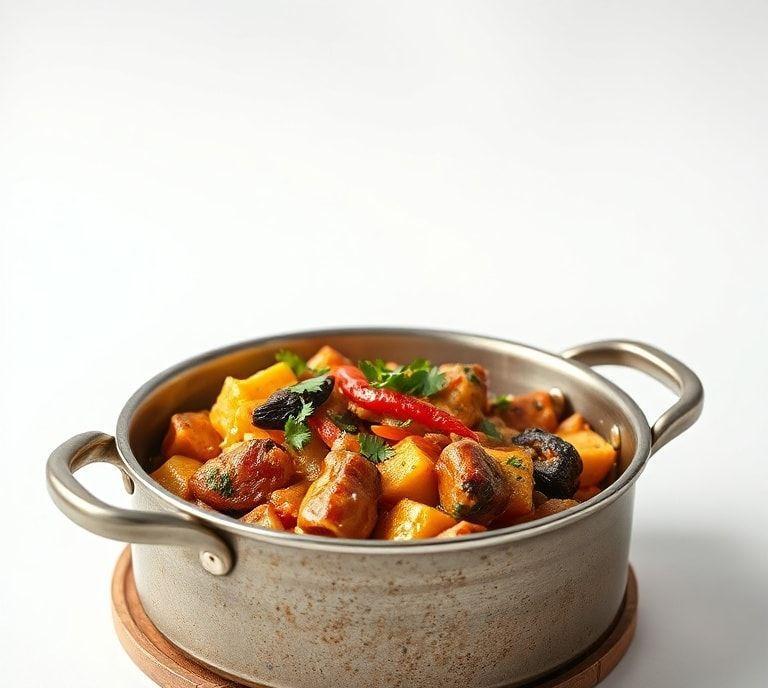
This recipe is a vibrant, vegetable-packed medley that’s filling, nutritious, and bursting with flavor. The key is in the technique of cooking everything in one pot, allowing the flavors to meld together beautifully. Imagine a blend of earthy chickpeas, tender greens, and fragrant spices all mingling in a single pot, creating something comforting and nourishing.
The heart of this dish lies in the balance of textures and flavors. You get the smoothness of the chickpeas, the slight bite of the greens, and the rich depth from the simmered vegetables. It’s perfect for a weeknight dinner or meal prep, and it’s one of those dishes that somehow tastes even better the next day.
Ingredients Needed
Let’s talk about what you’ll need to bring this dish to life. The beauty of one-pot cooking is that you don’t need a ton of ingredients to create something flavorful. Here’s what you’ll need for this recipe:
- Chickpeas (canned or dried): Chickpeas are the backbone of this dish. They’re packed with protein and fiber, making them filling and nutritious. If you’re using dried chickpeas, you’ll need to soak them overnight or cook them first.
- Spinach or kale: Both of these greens bring a hearty, slightly bitter note to the dish, and they cook down nicely, adding volume without overpowering the flavors.
- Tomatoes (canned or fresh): Tomatoes add a sweet and tangy richness to the dish, balancing out the savory elements. If you have fresh tomatoes, that’s fantastic, but canned will work perfectly too.
- Garlic: Because what’s a dish without garlic? It adds depth and fragrance that ties everything together.
- Onions: A classic aromatic that adds sweetness and body to the base of the dish.
- Olive oil: For sautéing the vegetables and adding a touch of richness.
- Vegetable broth: This is the liquid base that brings everything together, providing flavor and moisture for the chickpeas and greens to cook in.
- Spices: Here’s where you get to have some fun. A simple mix of cumin, paprika, turmeric, and a pinch of cayenne will add warmth and complexity without being too overwhelming. You can adjust the heat level to your liking.
- Salt and pepper: To taste, of course!
Cooking Instructions
This is the part where the magic happens-where everything comes together in a harmonious dance of flavors and textures. Here’s how you’ll prepare this:
- Sauté the Aromatics: Heat up a bit of olive oil in a large pot over medium heat. Once it’s hot, toss in your diced onions and garlic. Sauté for about 5 minutes, or until they’re soft and fragrant. This is where your kitchen will start smelling amazing, so take a deep breath.
- Add the Spices: Once the onions and garlic are ready, stir in the cumin, paprika, turmeric, and cayenne. Let the spices toast for about a minute to bring out their oils and deepen their flavor. Trust me, this step is key.
- Incorporate the Tomatoes: Add your chopped tomatoes (or canned tomatoes) to the pot, and cook for another 5 minutes. This will help the tomatoes break down and become a lovely sauce that will coat everything.
- Add the Chickpeas and Broth: Stir in the chickpeas and vegetable broth. Bring it to a simmer and let it cook for 10-15 minutes. The chickpeas will soak up all the flavors, and the broth will reduce slightly, becoming rich and savory.
- Add the Greens: Once your chickpeas are tender and the flavors have melded together, stir in the spinach or kale. Let the greens wilt down and cook for a few more minutes until everything is combined and beautiful.
- Season and Serve: Taste your creation and add salt and pepper as needed. Once it’s seasoned to your liking, it’s ready to serve. You can garnish with a dollop of yogurt or a squeeze of lemon to brighten up the flavors.
Ingredient Science Spotlight
Let’s take a moment to dive into the science behind some of these ingredients. Each one plays a key role not only in flavor but also in nutrition.
- Chickpeas: These little legumes are a powerhouse of plant-based protein, fiber, and essential nutrients like folate and manganese. The fiber content helps to keep you feeling full longer, which makes this dish a great option for those looking for a satisfying, balanced meal. Chickpeas are also rich in antioxidants, which support overall health by reducing inflammation and promoting heart health.
- Spinach and Kale: Both of these greens are loaded with vitamins A, C, and K, as well as iron and calcium. These vitamins support everything from immune function to skin health, and iron is crucial for red blood cell production. The fiber in these greens also aids in digestion and helps maintain healthy blood sugar levels.
- Turmeric: The golden spice adds more than just color. Its active compound, curcumin, has been studied for its anti-inflammatory and antioxidant properties. It’s believed to have potential benefits for reducing chronic inflammation and improving brain function. So, aside from making your dish taste delicious, turmeric is also doing your body some good.
Expert Tips
To take this recipe to the next level, here are a few expert tips that will elevate the flavors and textures:
- Layer Your Spices: If you want a more intense depth of flavor, consider adding your spices in stages. Toast the cumin and paprika first, then add a pinch of cinnamon or a bay leaf to enhance the warmth. Adding a touch of garam masala at the end can also elevate the dish and give it a more complex, aromatic finish.
- Use a Quality Broth: The broth you choose is the base of the dish, so go for one with a rich, well-balanced flavor. If you’re making your own broth, all the better. If not, opt for a low-sodium version to keep things on the healthier side.
- Don’t Overcook the Greens: Greens like spinach or kale can quickly go from tender to mushy. Add them near the end of cooking and allow them to wilt into the dish, so they retain their color and nutrients.
- Enhance with Acidity: A squeeze of fresh lemon or a splash of vinegar just before serving can help brighten up the flavors, balancing out the earthiness of the chickpeas and greens.
Recipe Variations
While this recipe is fantastic as is, there’s plenty of room for personal flair. Here are some variations to consider:
- Add More Protein: If you want an extra protein boost, throw in some cubes of firm tofu or tempeh along with the chickpeas. Both are great at absorbing the flavors of the dish.
- Use Other Vegetables: Swap the spinach for other leafy greens like Swiss chard or collard greens, or add root vegetables like sweet potatoes or carrots for a heartier dish.
- Make It Spicy: If you like a bit more heat, increase the amount of cayenne pepper or add some chopped fresh chilies to the pot. For a smoky kick, you could also toss in some chipotle peppers in adobo sauce.
- Add a Grain: To make the dish even more substantial, stir in some cooked quinoa or rice once the chickpeas and greens are done cooking. This will give the dish a nice texture contrast and make it even more filling.
Final Words
This one-pot vegetarian recipe is the kind of meal that feels like home, no matter where you are. It’s comforting, nutritious, and packed with flavor. Plus, it’s incredibly versatile, so you can tweak it to suit your mood or the contents of your pantry. Whether you’re cooking for yourself, friends, or family, this dish is sure to satisfy, and it’s a fantastic way to incorporate more plant-based meals into your routine without a lot of hassle.
FAQs
What Are The Benefits Of A One Pot Vegetarian Recipe?
One pot vegetarian recipes offer several benefits, including convenience, reduced cleanup time, and the ability to cook all ingredients together, which allows for better flavor absorption. These recipes often require fewer pots and pans, making them perfect for busy cooks or those with limited kitchen space. Additionally, one pot meals can be easily customized to fit various dietary needs, including vegan, gluten-free, or low-carb options.
Can I Make A One Pot Vegetarian Recipe Ahead Of Time?
Yes, many one pot vegetarian recipes can be prepared ahead of time, either by partially cooking the dish and then reheating or by fully cooking and storing it in the refrigerator or freezer for later. Dishes like soups, stews, curries, and grain-based recipes tend to hold up well when stored. It’s best to follow specific storage instructions for the dish you’re making to ensure the best flavor and texture upon reheating.
What Are Some Common Ingredients In A One Pot Vegetarian Recipe?
Common ingredients in one pot vegetarian recipes include a variety of fresh vegetables such as onions, garlic, tomatoes, and leafy greens. Grains like rice, quinoa, or couscous are often used as a base, and legumes such as lentils, chickpeas, or beans provide protein. Spices like cumin, turmeric, and paprika add flavor, and vegetable broth or coconut milk can serve as the cooking liquid to enhance the dish. You can also add cheese, tofu, or plant-based protein options for extra richness and texture.