Have you ever experienced the comforting simplicity of a bowl of warm rice, wrapped up in a bundle of seaweed, with just a hint of seasoning? There’s something magical about onigiri-Japanese rice balls-that goes beyond just being food. For many, it’s a nostalgic, handheld snack that evokes memories of childhood, picnics, or even the ritual of packing lunch for school or work.
Onigiri, traditionally made with a bit of salted fish or umeboshi (pickled plum), has long been a Japanese comfort food staple. But as the demand for plant-based diets grows, so does the need to adapt this classic dish. Enter the vegetarian onigiri: a perfect blend of simplicity, flavor, and health.
In this post, I’m going to walk you through a vegetarian version of onigiri-one that’s both satisfying and bursting with flavor. Whether you’re a seasoned onigiri enthusiast or a newcomer to this Japanese delicacy, I promise you’ll find this recipe easy to follow and even easier to love.
Onigiri Vegetarian Recipe
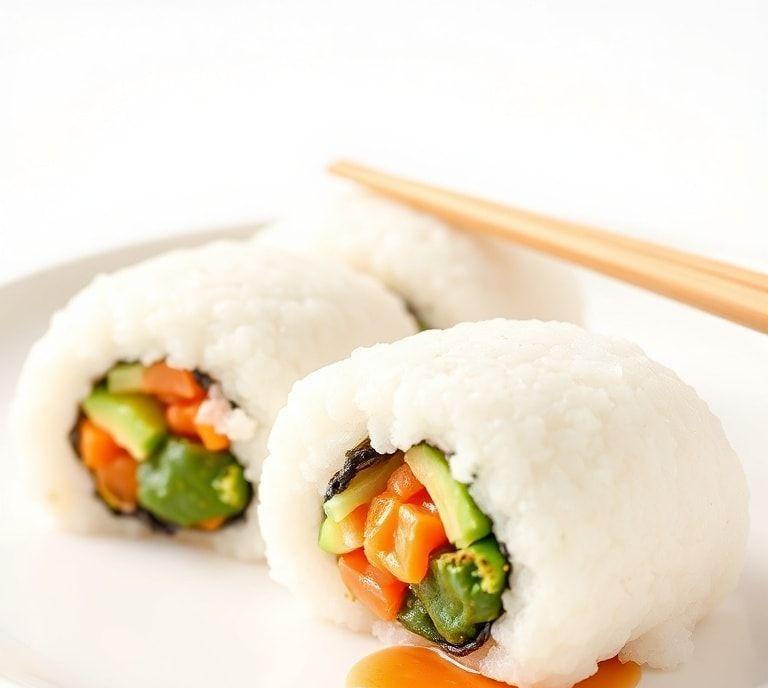
The great thing about onigiri is its versatility. You can stuff them with a variety of ingredients, from savory to tangy, sweet to spicy. The vegetarian version we’re making today is filled with a vibrant mix of pickled vegetables, creamy avocado, and a dash of sesame oil, which adds a subtle richness. If you’ve never thought about making your own onigiri before, this simple yet flavorful recipe might just change your lunchtime routine.
But first, let’s talk about the ingredients you’ll need.
Ingredients Needed
For The Rice
- 1 ½ cups of short-grain sushi rice (or medium-grain if that’s all you can find)
- 1 ¾ cups water
- 1 tablespoon rice vinegar
- 1 tablespoon sugar
- 1 teaspoon salt
For The Filling
- 1 small cucumber, thinly sliced
- 1 small carrot, julienned
- ¼ cup pickled radish (or takuan, if you have it)
- 1 small avocado, sliced
- 2 tablespoons toasted sesame seeds
- 1 teaspoon sesame oil
- 1 sheet nori (seaweed), cut into strips for wrapping
- Optional: A splash of soy sauce or tamari for extra umami flavor
To Garnish
- A pinch of sea salt (to sprinkle on the rice)
The ingredients are simple, but together they create a perfect balance of flavors and textures: the soft, slightly vinegary rice with the crunch from the cucumber and carrot, the creaminess of avocado, and the pop of sesame oil. The pickled radish adds a delightful tang, while the sesame seeds and nori offer subtle, nutty flavors.
Cooking Instructions
- Prepare the rice: Rinse the sushi rice under cold water until the water runs clear. This step removes excess starch, which helps the rice become sticky-important for molding your onigiri. Combine the rice and water in a pot, bring it to a boil, then reduce the heat and cover it. Let it simmer for about 15 minutes or until the water has been absorbed. Remove from heat and let it sit for another 10 minutes, still covered.
- Season the rice: In a small bowl, combine the rice vinegar, sugar, and salt. Heat it gently in the microwave or on the stovetop until the sugar dissolves completely. Gently stir this seasoning mixture into the cooked rice. Use a wooden spoon or rice paddle to fold the rice and cool it down a little before handling it. This helps keep the rice from getting too sticky.
- Prepare the filling: While the rice is cooling, slice your cucumber, carrot, and avocado. If you’re using pickled radish or takuan, slice it into thin strips as well. In a small bowl, toss the vegetables together with sesame oil and sesame seeds, ensuring they’re well-coated.
- Shape the onigiri: Lightly wet your hands to prevent the rice from sticking. Grab a small handful of rice (about ¼ cup) and flatten it into a disc shape in your palm. Place a small spoonful of the veggie mixture in the center, then gently press the edges of the rice over the filling, shaping it into a triangle or ball. Repeat this until all your rice and filling are used up.
- Wrap with nori: Once the onigiri is formed, wrap a small strip of nori around the base or diagonally across the onigiri. You can also wrap it entirely, but make sure to leave one end exposed for that classic onigiri look.
- Optional garnish: If you want to add a bit more flavor, lightly sprinkle the finished onigiri with a pinch of sea salt or drizzle a tiny bit of soy sauce over the top.
Ingredient Science Spotlight
There’s something fascinating about how simple ingredients can come together to create such complex flavors. Take rice, for example-specifically, sushi rice. Short-grain rice is known for its sticky texture, which makes it ideal for onigiri. The starches in the rice give it a clumpy, almost gooey texture, allowing it to hold together even without a binding agent. This is crucial when forming the rice balls!
Then, we have sesame oil, which is a must-have ingredient in many Asian dishes for its deep, toasted flavor. The oil itself is made from roasted sesame seeds, which give it a rich, nutty profile that can elevate simple vegetable fillings like cucumber and carrot to another level.
And don’t get me started on the avocado. It’s a modern twist on the classic onigiri, but the creamy texture of the avocado makes it a perfect complement to the crunchy pickled vegetables. The healthy fats in avocado also add richness, making the dish feel more substantial.
Expert Tips
- Rice temperature: When shaping your onigiri, make sure the rice is still warm but not hot. Hot rice can burn your hands, and cold rice will be too stiff and hard to mold. If you’re in a rush, you can let the rice cool for a few minutes until it’s just above room temperature.
- Wet hands: Always wet your hands when handling the rice. This will prevent the rice from sticking to your fingers, making the shaping process much easier.
- Press gently: When forming the onigiri, be gentle. Don’t press the rice too hard, or you might lose that beautiful, soft texture. Light pressure is all it takes to form a perfect ball or triangle.
- Add some umami: If you’re craving a little more depth of flavor, drizzle a touch of soy sauce or sprinkle some furikake (Japanese rice seasoning) on top before serving.
- Storage: If you’re packing these for lunch or storing them for later, wrap each onigiri in plastic wrap or a bento box. The nori can get soggy, so it’s best to add it just before you eat, or keep the seaweed separate until you’re ready to dive in.
Recipe Variations
Onigiri are endlessly customizable. Here are a few ways to mix things up:
- Avocado & Mango Onigiri: Add a tropical twist with ripe mango chunks alongside the avocado. The sweetness pairs wonderfully with the pickled vegetables.
- Shiitake Mushroom Onigiri: Sauté shiitake mushrooms with a bit of soy sauce, mirin, and sesame oil, and use them as a filling. They add an earthy umami flavor that’s both rich and satisfying.
- Cucumber & Cream Cheese: For a lighter, more refreshing variation, combine thin cucumber slices with a little bit of cream cheese and dill. It’s a simple, no-fuss filling.
- Spicy Tofu Onigiri: Crumbled tofu mixed with chili paste or sriracha creates a spicy, savory filling that packs a punch.
Final Words
Onigiri is a testament to how simplicity can create something truly special. With just a few carefully chosen ingredients, you can create a meal or snack that’s nourishing, flavorful, and undeniably satisfying. It’s the kind of food that feels comforting in its familiarity but also offers endless opportunities for creativity.
FAQs
What Ingredients Are Commonly Used In Vegetarian Onigiri?
Vegetarian onigiri typically uses short-grain Japanese rice, which is sticky enough to hold shape. Fillings can include pickled vegetables like umeboshi (pickled plum), cooked mushrooms, seasoned seaweed (nori), avocado, or tofu-based mixtures. Optional seasonings include sesame seeds, soy sauce, or miso for added flavor.
How Do I Shape Onigiri Without Using Meat Or Fish?
To shape vegetarian onigiri, lightly wet your hands with water and sprinkle them with a pinch of salt to prevent sticking and add flavor. Place a small amount of filling in the center of a portion of rice, fold the rice around it, and gently press into a triangle, cylinder, or ball shape. Using a mold can help maintain consistent shapes.
Can Vegetarian Onigiri Be Stored For Later Consumption?
Yes, vegetarian onigiri can be stored for a short period, ideally up to 24 hours, in an airtight container in the refrigerator. To maintain freshness and texture, it’s best to wrap each onigiri individually with plastic wrap or nori just before eating, as seaweed can become soggy if stored for too long.