If you’ve ever been to a Thai restaurant and tasted the fiery delight of Pad Kee Mao, also known as "Drunken Noodles," then you know exactly what I’m talking about when I say it’s one of the most exciting dishes to indulge in. It’s that perfect blend of savory, spicy, and slightly sweet that makes it utterly irresistible. When you make this dish vegetarian, it’s not just a lighter version of the classic; it becomes a vibrant canvas for fresh vegetables, herbs, and bold flavors. The beauty of vegetarian Pad Kee Mao lies in its versatility-you can tailor it to your preferences, using the freshest ingredients available.
I’ve had my fair share of Pad Kee Mao experiments in the kitchen. One particularly memorable time, I tried it after a long hike with friends. We were starving, and I decided to try my hand at this dish, not knowing it would turn into a recipe I would keep coming back to. The flavors were bold and satisfying, and everyone asked for seconds. That feeling-of taking a dish you love and making it your own-is what made me fall deeper in love with cooking. So, let’s dive in and recreate that experience with a veggie twist.
Pad Kee Mao Vegetarian Recipe
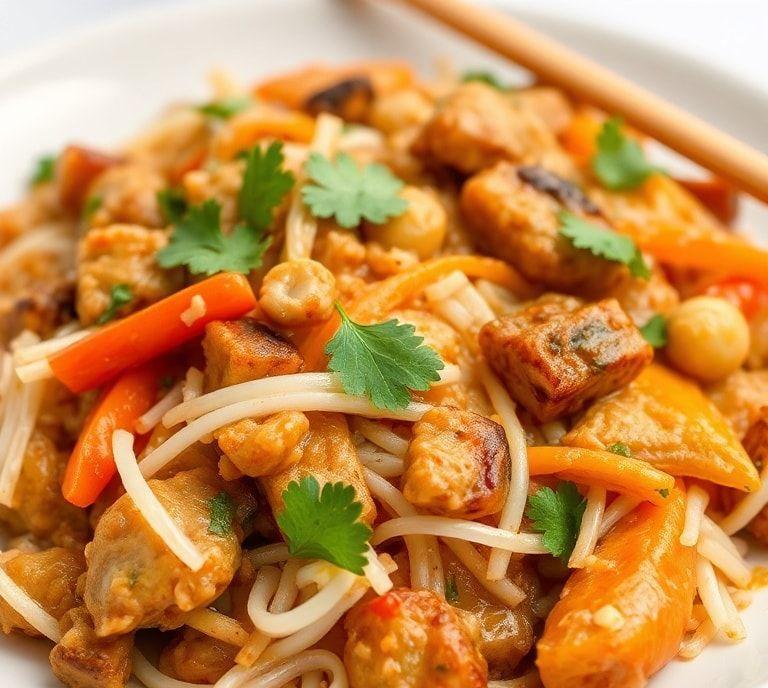
Pad Kee Mao is one of those dishes that sounds complicated at first, but in reality, it’s an accessible and forgiving recipe. When you go vegetarian, it’s all about getting the balance right-the stir-fried noodles, the perfect sauce, and an assortment of fresh veggies. The best part? You can make this with whatever you’ve got on hand. That said, there are a few key elements you definitely don’t want to skip to get that signature Thai flavor.
Ingredients Needed
Here’s a breakdown of what you’ll need for your vegetarian Pad Kee Mao. It’s a mix of bold and fresh ingredients, so if you’ve got a good spice tolerance, you’re in for a treat:
- Rice noodles (about 8 oz) – These chewy noodles are the backbone of the dish. You can go for wide rice noodles, the classic choice for Pad Kee Mao, or thinner ones depending on your preference. Just make sure they’re properly soaked before stir-frying.
- Vegetable oil (2-3 tbsp) – For stir-frying the noodles and vegetables. Neutral oils like vegetable oil or peanut oil work best here, as they allow the other flavors to shine.
- Garlic (4-5 cloves, minced) – This is your flavor base. Garlic is what gives the dish its aromatic depth, so don’t skimp on it!
- Fresh Thai bird’s eye chilies (3-4) – If you want your Pad Kee Mao to pack a punch, this is the place to do it. You can also adjust the number based on how spicy you like your food.
- Fresh vegetables – Think of a vibrant medley of vegetables: bell peppers (sliced thin), carrots (julienned), baby corn (cut into bite-sized pieces), and mushrooms (oyster, shiitake, or button, whatever you prefer). Feel free to toss in other favorites like broccoli, snow peas, or zucchini. The idea is to have a nice balance of crunch and tenderness.
- Tofu (1 block, firm) – Tofu is a great source of plant-based protein and has that delightful crispy exterior when cooked right. If you’re not into tofu, tempeh or seitan can also work wonders.
- Soy sauce (2 tbsp) – This is the salt element of the dish, bringing that deep umami flavor.
- Oyster sauce (2 tbsp) – Don’t worry; vegetarian oyster sauce is a thing. It’s made from mushrooms, and it gives the dish a rich, savory flavor that can’t be replicated with soy sauce alone.
- Sugar (1 tsp) – Just a pinch to bring in a subtle sweetness that balances the heat and salty flavors.
- Lime juice (from 1 lime) – Fresh lime juice at the end is crucial. It cuts through the richness of the sauce and brightens the dish with its citrus tang.
- Fresh basil leaves (a handful) – Thai basil is the best here, but if you can’t find it, sweet basil will do. Just make sure to tear the leaves before adding them to release the oils.
Cooking Instructions
Now that you’ve got your ingredients ready, it’s time to get cooking. Trust me, once you make Pad Kee Mao, you’ll never want to order it from a takeout menu again.
- Prepare the noodles – Start by soaking the rice noodles in warm water according to the package instructions, typically around 20-30 minutes. Drain them well and set aside. You don’t want them too wet when they hit the pan.
- Fry the tofu – While the noodles are soaking, heat 1 tbsp of vegetable oil in a large wok or skillet over medium-high heat. Add the tofu, and cook it until it’s golden and crispy on all sides. This usually takes about 5-7 minutes. Once done, set the tofu aside on a plate.
- Stir-fry the aromatics – In the same wok, add another tablespoon of oil and sauté the garlic and chilies until fragrant, about 30 seconds to 1 minute. Be careful not to burn the garlic, as it can turn bitter.
- Cook the veggies – Toss in your veggies, starting with the ones that take longer to cook (like carrots and bell peppers) and ending with the quicker-cooking ones (baby corn, mushrooms). Stir-fry for about 3-5 minutes until they’re tender but still vibrant and crisp.
- Add the noodles and sauce – Once the vegetables are done, add the noodles to the wok. Drizzle the soy sauce, oyster sauce, and sugar over them. Stir everything together, making sure the noodles are well-coated in the sauce and that the flavors are evenly distributed.
- Finish with basil and tofu – Add the crispy tofu and basil leaves last, stirring them into the noodles gently so the basil can wilt. Finally, squeeze the lime juice over the entire dish to bring everything together.
Ingredient Science Spotlight
Let’s take a minute to understand the magic behind some of the key ingredients in Pad Kee Mao. First, the rice noodles-why are they so special? Unlike wheat-based noodles, rice noodles are gluten-free and absorb the flavors of the sauce beautifully without getting soggy. Their texture, once cooked, is chewy but soft, which gives the dish its signature bite.
Now, about tofu. Tofu’s neutral flavor acts as a sponge for the sauce, soaking up those savory, spicy, and sweet elements. When fried, it takes on a crispy, golden texture that adds both crunch and substance to the dish. It’s this contrast between the crispy tofu, tender noodles, and crunchy veggies that gives Pad Kee Mao its perfect mouthfeel.
Finally, the Thai basil is crucial-it’s not just any basil. Thai basil has a slightly spicy, peppery flavor, unlike sweet basil, which tends to be milder. It adds an aromatic layer that elevates the whole dish.
Expert Tips
- Noodle consistency – Rice noodles can be tricky because they’ll stick together if you don’t cook them properly. Make sure to rinse them under cold water after soaking to remove excess starch, which can cause clumping.
- Balance your sauce – Play with the proportions of soy sauce, oyster sauce, and sugar. If you prefer a sweeter dish, add more sugar. If you like it salty, increase the soy sauce. Taste as you go!
- Veggie crunch – Don’t overcook the vegetables. You want them to retain a little bite so they stand out against the noodles and tofu. It also helps maintain that fresh, vibrant color.
- Use a wok – If you’ve got a wok, use it! The high sides make it easier to toss the noodles and keep them from spilling out, and it’s perfect for getting that slight char that makes stir-fries so delicious.
Recipe Variations
There are endless ways to make Pad Kee Mao your own. Here are some ideas to customize it:
- Add more protein – If tofu’s not your thing, consider using tempeh, seitan, or even a mix of edamame and chickpeas for a different plant-based protein.
- Change the veggies – If you’re not a fan of baby corn or mushrooms, swap them for zucchini, broccoli, or snap peas.
- Spice it up – Want it extra hot? Add more chilies or a splash of chili paste (sambal oelek works great).
- Noodle swap – While rice noodles are traditional, you can also use egg noodles or even zucchini noodles for a low-carb alternative.
Final Words
Cooking is as much about creativity as it is about following recipes. When it comes to Pad Kee Mao, I always feel like I’m cooking with an open canvas. The simplicity of the ingredients lets each element shine, and there’s room for so much play in terms of flavors and textures.
I encourage you to make this dish your own. Add in your favorite veggies, dial up the spice, or throw in a unique protein that you love. In the end, this dish is all about balancing the ingredients to suit your personal taste.
FAQs
What Ingredients Are Typically Used In A Vegetarian Pad Kee Mao Recipe?
A vegetarian pad kee mao, also known as drunken noodles, typically includes wide rice noodles, a variety of vegetables such as bell peppers, carrots, and broccoli, garlic, chili, Thai basil, soy sauce, vegetarian oyster sauce or mushroom sauce, and tofu or tempeh as the protein substitute. Some recipes also include a small amount of sugar or lime juice to balance flavors.
Can I Make Pad Kee Mao Vegetarian Without Losing Its Authentic Flavor?
Yes, the authentic flavor can be preserved by using key ingredients such as Thai basil, fresh chili, garlic, and soy-based sauces. Using umami-rich vegetarian alternatives like mushroom sauce or fermented soy products can replace fish sauce and still maintain the depth of flavor characteristic of traditional pad kee mao. Stir-frying over high heat is also crucial for authenticity.
What Are Some Tips To Prevent The Noodles From Sticking Together When Making Vegetarian Pad Kee Mao?
To prevent sticking, first soak or boil the rice noodles according to package instructions and rinse them under cold water. Use a generous amount of oil during stir-frying and add the noodles to the wok only after the vegetables and tofu are mostly cooked. Stir-fry quickly over high heat and avoid overcrowding the pan to maintain proper texture and prevent clumping.