I still remember the first time I tried making Pad Thai at home. It was one of those lazy afternoons when I wanted something comforting, yet fresh, and couldn’t decide between my usual pasta or a stir-fry. So, Pad Thai it was. I’d eaten it countless times at restaurants, savoring the bold flavors and delicate textures. But making it myself? That was an entirely different adventure.
It wasn’t just the flavors I was after-it was the experience. I wanted to recreate the joy of sitting at a small street-side cart in Bangkok, the warm sun overhead, the rhythmic clanging of the wok in the background. This dish, more than any other, spoke of balance: salty, sweet, sour, and spicy, all in one bite. And the best part? Pad Thai is incredibly versatile. While you can easily add meat, I’ve found that a vegetarian version captures all the magic without losing any of the punch. So, let’s dive into this vegetarian Pad Thai recipe that’s not only simple to prepare but also packed with vibrant flavors.
Pad Thai Noodles Vegetarian Recipe
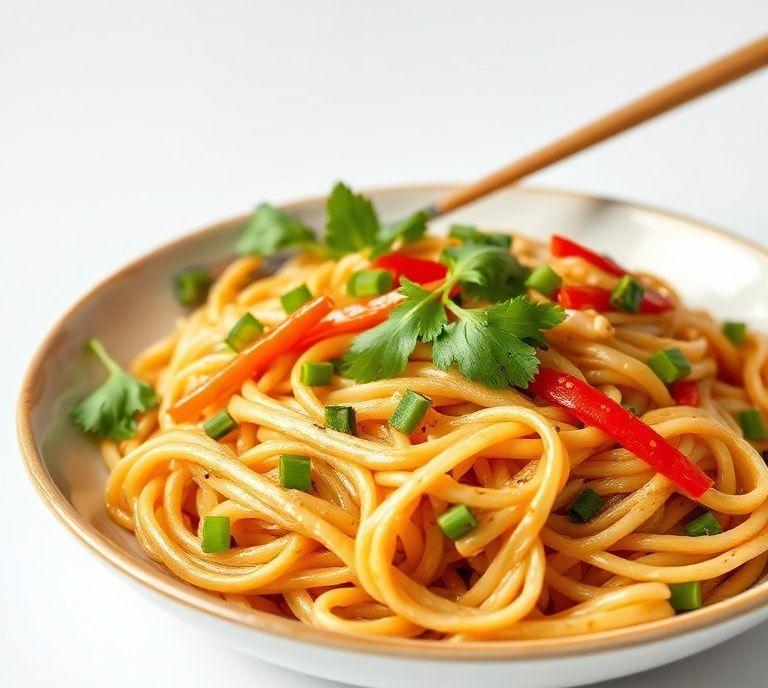
This vegetarian Pad Thai recipe is the perfect solution for anyone craving that street food feel but with a lighter, plant-based twist. The ingredients are simple, yet the depth of flavor is remarkable. The key is in the balance of tamarind, lime, and soy sauce. Once you nail those elements, the world of Pad Thai is yours.
It starts with the noodles-thin rice noodles that soak up all the delicious sauce as it cooks. Then, it’s about the crunch of peanuts, the fragrant cilantro, and the brightness of lime. Every bite brings a little bit of everything, making it a dish that will instantly transport you.
Ingredients Needed
For the vegetarian Pad Thai recipe, you’ll need:
- Rice noodles (about 8 oz) – The foundation of any Pad Thai, these are light, chewy, and soak up all the sauce.
- Tofu (firm, ½ block) – The protein. It’s best to press the tofu first to release excess water, making it crisp up beautifully when you cook it.
- Vegetable oil – For frying and sautéing.
- Garlic (2 cloves, minced) – Adds depth and flavor.
- Eggs (optional, 2 large) – Traditional in many Pad Thai recipes, but can be omitted for a completely vegan version.
- Green onions (2 stalks, chopped) – For that fresh bite and color.
- Peanuts (¼ cup, chopped) – A must for crunch and a nutty finish.
- Tamarind paste (2 tablespoons) – This tangy paste is essential for the signature Pad Thai flavor.
- Soy sauce (2 tablespoons) – For umami and saltiness.
- Brown sugar (1 tablespoon) – To balance the acidity with a bit of sweetness.
- Lime (1, cut into wedges) – A burst of freshness to finish off the dish.
- Fresh cilantro (for garnish) – Optional, but adds a great herbal note to the top.
- Chili flakes (optional) – If you want that extra kick.
Cooking Instructions
Now, the fun begins. Here’s how you pull it all together.
- Prep the noodles: Start by soaking the rice noodles in warm water for about 30 minutes until they are pliable. Drain them and set aside.
- Prepare the tofu: While the noodles are soaking, press the tofu to remove excess moisture. Then, cut it into cubes. Heat a tablespoon of oil in a large skillet or wok over medium heat, and fry the tofu until golden and crispy on all sides. Set aside.
- Stir-fry the aromatics: In the same pan, add a little more oil and sauté the minced garlic for 1-2 minutes until fragrant. If you’re using eggs, now’s the time to crack them into the pan and scramble them until cooked through.
- Cook the noodles: Add the soaked noodles to the pan, along with the tamarind paste, soy sauce, and brown sugar. Toss everything together, making sure the noodles are well-coated in the sauce. Keep stirring to prevent sticking.
- Add the tofu: Once the noodles are coated and starting to heat up, add the crispy tofu back into the pan, along with the green onions. Toss everything to combine, and let it all cook together for another 2-3 minutes.
- Garnish and serve: Plate your Pad Thai and top with chopped peanuts, a handful of cilantro, and a squeeze of fresh lime juice. For extra heat, you can add chili flakes or a dash of sriracha.
Ingredient Science Spotlight
There’s something deeply satisfying about the harmony of flavors in Pad Thai, and a lot of that comes from the ingredients themselves. Let’s break down some of the key players:
- Tamarind paste: This fruit is tart and sour, giving Pad Thai its signature zing. Tamarind is a natural source of antioxidants, and its sourness pairs beautifully with the sweetness of sugar, creating that perfect balance in the sauce.
- Tofu: Often a source of skepticism in the culinary world, tofu is a powerhouse of protein and texture. When pressed and fried, it becomes crispy on the outside while remaining soft on the inside, making it the ideal base for absorbing the Pad Thai sauce.
- Peanuts: Aside from their satisfying crunch, peanuts are full of healthy fats, protein, and fiber, making them a great addition for both flavor and nutrition. They also enhance the dish’s overall umami quality, rounding out the experience.
Expert Tips
- Soak, Don’t Boil: When preparing the rice noodles, don’t boil them. Instead, soak them in warm water to keep their texture soft yet firm enough to absorb the flavors of the sauce.
- Press the Tofu Well: Don’t rush this step. Pressing the tofu ensures it becomes crisp when fried, which is key to achieving that texture contrast that makes Pad Thai so special.
- Adjust the Sauce to Taste: The beauty of Pad Thai is its flexibility. If you like things sweeter, add more sugar; if you want more tang, throw in an extra spoon of tamarind paste or a splash of vinegar. Taste as you go!
- Make it Your Own: If you don’t have cilantro on hand, basil is a great substitute. Similarly, if you’re not a fan of peanuts, sesame seeds can step in for that extra crunch.
Recipe Variations
Though this is a classic vegetarian Pad Thai, it’s easily adaptable. If you’re feeling experimental, here are a few variations:
- Pad Thai with Veggies: Add more vegetables like bell peppers, carrots, or snap peas to the mix. These will give your Pad Thai added crunch and a burst of color.
- Vegan Pad Thai: Simply omit the eggs and make sure your soy sauce is plant-based (some contain fish products). For extra protein, you could swap tofu for tempeh or chickpeas.
- Spicy Pad Thai: For a real punch, increase the chili flakes or even add a few dashes of sriracha to your sauce.
- Peanut Butter Pad Thai: For a creamy, nutty twist, stir in a spoonful of peanut butter into the sauce before adding the noodles.
Final Words
As someone who has made this recipe countless times, I can tell you that Pad Thai is one of those dishes that just gets better with practice. The balance of salty, sweet, sour, and spicy may seem tricky at first, but once you find that perfect ratio, it’s magical. Plus, it’s forgiving. Don’t stress if the noodles stick a little or the tofu isn’t as crispy as you’d like-sometimes, it’s the little imperfections that make the dish feel truly homemade.
FAQs
Can I Make Authentic-tasting Pad Thai Without Fish Sauce Or Shrimp?
Yes, you can create a vegetarian version of Pad Thai that still captures the authentic flavors. Substitute fish sauce with soy sauce or tamari, and replace shrimp with tofu, tempeh, or additional vegetables. Adding a splash of lime juice and a pinch of sugar can help balance the savory, tangy, and slightly sweet flavor profile typical of traditional Pad Thai.
What Type Of Noodles Should I Use For Vegetarian Pad Thai?
The best noodles for Pad Thai are flat rice noodles, typically ¼-inch to ½-inch wide. They cook quickly and absorb the sauce well. When preparing them for a vegetarian recipe, soak the noodles in warm water until they are pliable but still slightly firm, then briefly stir-fry them to prevent breaking apart while maintaining their chewy texture.
What Are Some Protein Options For A Vegetarian Pad Thai?
For vegetarian Pad Thai, the most common protein options include firm tofu, tempeh, or seitan. Tofu can be pan-fried or baked to add texture, while tempeh adds a nutty flavor and chewier consistency. Additionally, some people use edamame or roasted chickpeas as alternative protein sources to make the dish more filling while keeping it plant-based.