
There’s something about Pad Thai that pulls you in-it’s a perfect storm of sweet, salty, sour, and savory flavors, all tangled together in one delicious dish. The warm noodles, that crisp texture from the peanuts, the umami kick from the sauce… every bite is a new adventure. It’s no wonder this dish has become a beloved favorite across the world.
I first fell in love with Pad Thai during a trip to Thailand. It wasn’t just the food that left an impression, but the way it was prepared and served-every vendor seemed to have their own spin, and the communal atmosphere of street food markets added a special touch. But when I got back home, I realized something: I didn’t have to travel to enjoy that same burst of flavors. I could recreate it in my kitchen, and I could make it my own. One of the most rewarding things about Pad Thai is that you can make it from scratch, tweaking it to fit your preferences. So, I’ve created this vegetarian version of the sauce that stays true to the authentic flavors while being 100% plant-based.
Let’s dive in, shall we?
Pad Thai Sauce Vegetarian Recipe
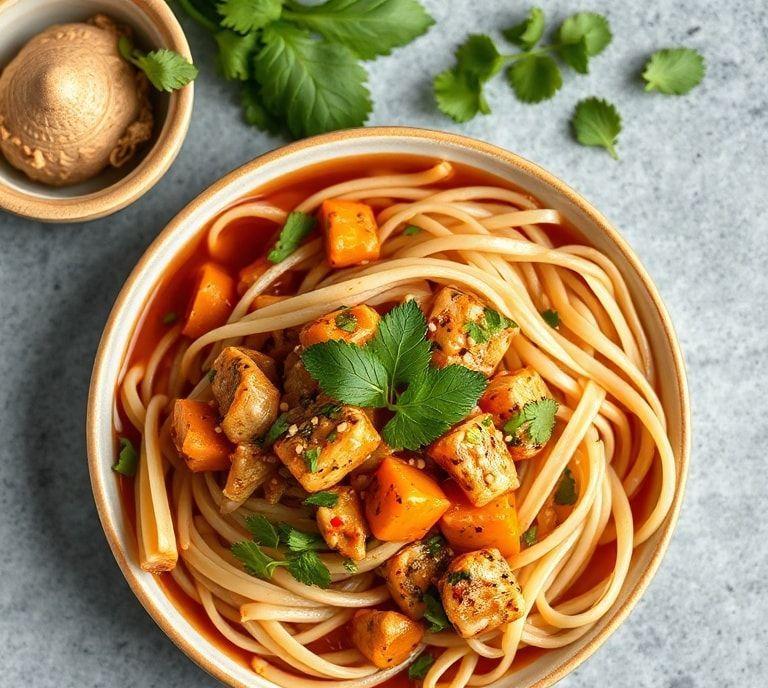
Pad Thai sauce is really the heart of the dish, and a great sauce makes all the difference. The challenge with the vegetarian version is finding the right balance without using traditional ingredients like fish sauce. Thankfully, with a little creativity, you can get that rich umami taste with plant-based alternatives. This recipe will show you how to do just that.
Ingredients Needed
- Tamarind paste – This is the backbone of the sauce. It gives the dish that signature sour, tangy punch. The deep, almost smoky flavor that comes from tamarind is irreplaceable in Pad Thai.
- Soy sauce (or tamari for a gluten-free version) – This takes the place of fish sauce, delivering that salty, savory element that’s crucial in balancing the dish.
- Maple syrup or coconut sugar – Sweetness is key to the sauce, and while sugar works fine, I prefer using maple syrup for a more complex, subtle sweetness. Coconut sugar is another great option, especially if you’re looking for a less refined sweetener.
- Lime juice – The freshness of lime juice brightens up the sauce and adds an extra layer of zest.
- Chili flakes or chili paste – For heat. Depending on how spicy you like your food, you can adjust the amount. I tend to add just enough to give a nice warmth without overpowering the other flavors.
- Garlic – Minced finely to bring depth and richness to the sauce.
- Water – To thin it out and make the sauce more fluid for easy mixing with the noodles.
Cooking Instructions
- Prep the sauce: Start by whisking together the tamarind paste, soy sauce, maple syrup (or coconut sugar), lime juice, garlic, and chili flakes or paste in a bowl. Once it’s well mixed, taste the sauce. If you prefer it sweeter, add a bit more maple syrup. If you want more tang, squeeze in a little extra lime juice. It’s all about balance.
- Cook your noodles: If you’re using rice noodles, cook them according to the package instructions. Don’t overcook them, as they’ll get too soft and mushy. Aim for al dente-just slightly tender with a bit of bite. Drain them and set them aside.
- Stir-fry vegetables: In a large skillet or wok, heat a little oil over medium heat. Add any vegetables you like-carrots, bell peppers, mushrooms, and spinach all work wonderfully. Stir-fry for a few minutes until the veggies are tender but still crisp.
- Combine noodles and sauce: Toss the noodles into the skillet with the veggies, and pour in your Pad Thai sauce. Stir everything together until the noodles are fully coated and the sauce has absorbed into the dish. Let it cook for another 1-2 minutes to let the flavors meld together.
- Serve and garnish: Once everything is hot and well-mixed, serve the Pad Thai. Top with chopped peanuts, fresh cilantro, and lime wedges for that extra pop of flavor. A sprinkle of chili flakes or chili oil can add a little more kick if you like things spicy.
Ingredient Science Spotlight
What makes Pad Thai sauce so unique? The ingredients all work together like an orchestra, each one contributing a specific flavor profile that creates harmony.
- Tamarind paste: Tamarind is a legume that grows in pods and is known for its sweet and sour taste. When it’s concentrated into a paste, it becomes intensely tangy, with a touch of earthy sweetness. It’s used in many Asian and Latin American dishes to create a balance of flavors, and in Pad Thai, it provides that unmistakable sour note that contrasts with the salty soy sauce and sweet maple syrup.
- Soy sauce: Fermented soybeans are the secret behind soy sauce’s deep umami flavor. It’s one of the most essential ingredients in many Asian cuisines, and for a good reason-it enhances the flavor of any dish, offering a salty, savory undertone that rounds out the entire sauce.
- Maple syrup: While sugar could easily do the job, maple syrup brings a nuanced sweetness to the table with hints of caramel and vanilla. The syrup’s richness adds a comforting quality to the sauce, and it pairs beautifully with the tangy tamarind.
- Lime juice: Lime juice offers a sharp, citrusy zing that adds freshness and balances out the heaviness of the other ingredients. The acidity from lime also helps to brighten the overall dish and lift the other flavors.
Expert Tips
- Adjust the heat level: If you’re not a fan of spicy food, go easy on the chili flakes. Start with just a pinch and taste as you go. You can always add more if you want an extra kick.
- Use fresh tamarind if possible: While tamarind paste is convenient, fresh tamarind will give you a deeper, more vibrant flavor. If you find it at your local market, it’s worth the extra effort.
- Double the sauce: If you’re making extra noodles or want a saucier dish, feel free to double the sauce recipe. The sauce keeps well in the fridge for a few days, so you can use it for other dishes like stir-fries or even as a marinade.
- Perfect your stir-fry technique: To get the best texture and flavor from your noodles, make sure to stir-fry them over medium-high heat. The slight charring that comes from stir-frying at a higher temperature gives the noodles an irresistible smokiness.
Recipe Variations
The beauty of Pad Thai is that you can customize it endlessly based on what you have in the kitchen or your dietary preferences. Here are a few variations you can try:
- Add protein: If you’re craving something with more substance, you can toss in tofu or tempeh. Both work well with the flavors of Pad Thai and provide a nice protein boost. You can marinate your tofu in a little of the Pad Thai sauce before pan-frying it to get it crispy and golden on the outside.
- Make it a bowl: Instead of traditional stir-fried Pad Thai, turn it into a Pad Thai bowl. Layer cooked rice noodles with fresh vegetables like cucumber, shredded cabbage, and carrots. Top with the sauce, peanuts, and a sprinkle of cilantro for a fresh, light take.
- Swap the noodles: For a gluten-free version, swap the rice noodles for zucchini noodles (zoodles). They soak up the sauce beautifully, and you get the crunch of the veggies in every bite. You can also use soba noodles for a slightly different twist.
Final Words
Pad Thai is such a joy to make and eat. There’s something magical about tossing those noodles in a sauce that’s both comforting and exciting, all at the same time. The balance of sweet, sour, salty, and spicy makes every bite a little adventure. With this vegetarian Pad Thai sauce, you can make it completely plant-based without sacrificing any of the flavor.
FAQs
What Ingredients Are Used In A Vegetarian Pad Thai Sauce?
A vegetarian Pad Thai sauce typically includes tamarind paste for a tangy flavor, soy sauce or tamari for saltiness, maple syrup or brown sugar for sweetness, rice vinegar for acidity, and optionally chili flakes or garlic for spice and aroma. Unlike traditional recipes, it excludes fish sauce or shrimp paste to keep it plant-based.
Can I Make Pad Thai Sauce Vegetarian Without Compromising Flavor?
Yes, you can maintain a rich and authentic flavor by replacing fish sauce with soy sauce, tamari, or a combination of soy sauce and miso paste. Adding a small amount of seaweed or mushroom extract can provide umami depth similar to traditional versions.
How Long Can I Store Vegetarian Pad Thai Sauce?
Vegetarian Pad Thai sauce can be stored in an airtight container in the refrigerator for up to 1-2 weeks. For longer storage, it can be frozen in small portions for up to 2 months. Always stir well before using, as some ingredients may settle or thicken over time.