When I think about comfort food, one of the dishes that always comes to mind is curry. The depth of flavors, the aromatic spices, the creamy textures-all of it comes together to create a satisfying experience that feels like a warm hug in a bowl. And while curry can often be thought of as a heavy, meat-centric dish, it doesn’t have to be. A well-made vegetarian curry can be just as rich, just as flavorful, and just as comforting.
Enter Panang Curry-a dish that originates from Thailand, known for its perfect balance of creamy coconut milk, bold spices, and subtle heat. In this recipe, we’re going to swap the traditional meat-based ingredients for plant-based options, creating a vegetarian version that’s every bit as satisfying as the original. Whether you’re a long-time lover of Thai cuisine or someone just dipping their toes into the world of curry, this dish is going to knock your socks off.
So, let’s dive in!
Panang Curry Vegetarian Recipe
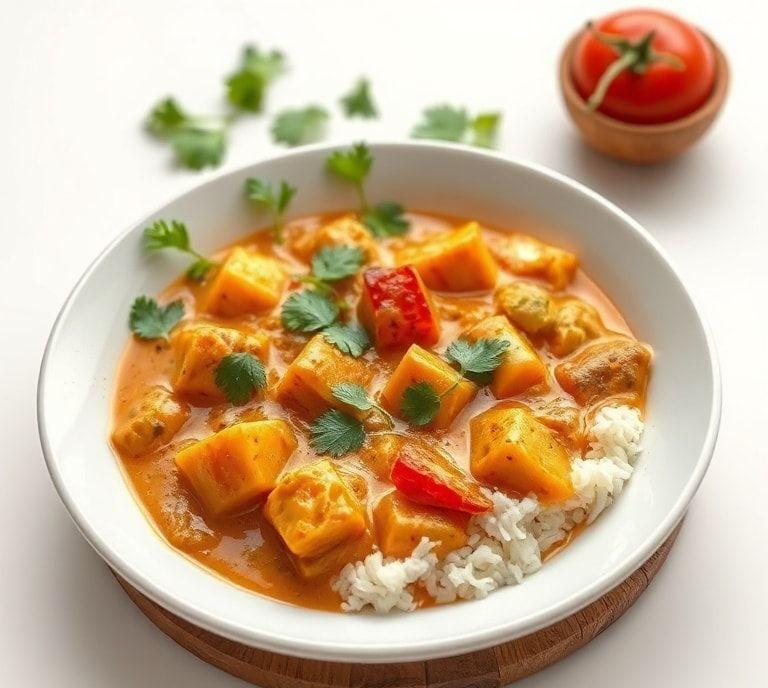
There’s something special about Panang Curry that sets it apart from other Thai curries. Unlike the thinner, broth-based soups like Tom Yum, Panang curry is thick and creamy. The flavors are bold and nuanced, with a blend of sweet, salty, sour, and spicy that’s like a flavor orchestra in your mouth. But what really makes this dish sing is the richness of coconut milk, which gives the curry a velvety smooth texture that coats every ingredient perfectly.
The beauty of Panang curry is in how versatile it is. The vegetarian version we’re making today can be tailored to whatever vegetables you have on hand or prefer. Root vegetables, leafy greens, and even tofu all work beautifully in this dish, making it the perfect vehicle for creativity in the kitchen. You can make it as spicy or mild as you want, adjusting the heat levels to your liking.
Ingredients Needed
Here’s what you’ll need for this delicious vegetarian Panang Curry:
- Panang curry paste – This is the base of the curry’s flavor profile. It’s a blend of red chilies, lemongrass, galangal (a ginger-like root), garlic, kaffir lime leaves, and spices like coriander and cumin. You can find it in most Asian grocery stores or make your own from scratch, though store-bought is often just as good.
- Coconut milk – A rich, creamy liquid that forms the heart of the curry. Full-fat coconut milk is the way to go here for that velvety smooth texture. Light coconut milk can work, but it won’t give you that indulgent creaminess that makes Panang curry so irresistible.
- Vegetables – The beauty of this recipe is its flexibility. You can use a combination of your favorite vegetables. I recommend carrots, bell peppers, eggplant, and baby corn, but you could also throw in mushrooms, zucchini, or even spinach.
- Tofu – For added protein and texture, tofu works beautifully in this dish. If you’re new to cooking with tofu, try pressing it to remove excess moisture before pan-frying it to get that crispy exterior.
- Fresh herbs – Kaffir lime leaves and Thai basil are key ingredients in this curry. They add a fresh, aromatic layer that elevates the flavors.
- Soy sauce or tamari – For saltiness and umami. If you’re looking for a gluten-free option, go for tamari instead of regular soy sauce.
- Palm sugar – This sweetener brings a mild sweetness that rounds out the flavors in the curry. If you can’t find palm sugar, brown sugar can be a good substitute.
- Lime juice – The acidity of lime adds balance to the richness of the coconut milk and gives the curry a fresh finish.
- Chilies – Fresh red chilies give the curry its signature spice. Adjust the amount based on how spicy you like your food.
Cooking Instructions
- Prepare the tofu: Start by draining the tofu and pressing it to remove excess moisture. Cut it into bite-sized cubes. In a non-stick pan, heat some oil over medium heat. Add the tofu and fry until it’s golden brown and crispy on all sides. Set aside.
- Prepare the vegetables: While the tofu is frying, chop your vegetables into bite-sized pieces. Keep in mind that harder vegetables like carrots and eggplant will take a little longer to cook, so you may want to chop them smaller.
- Cook the curry paste: In a large pot, heat a tablespoon of oil over medium heat. Add the Panang curry paste and sauté for 1-2 minutes until it becomes fragrant. This helps to release the essential oils in the paste, intensifying the flavor.
- Add the coconut milk: Pour in the coconut milk and stir to combine with the curry paste. Bring it to a gentle simmer. You’ll notice the curry starting to thicken as the coconut milk absorbs all those wonderful spices.
- Add the vegetables: Add your harder vegetables first, like carrots and eggplant. Let them cook for about 5-7 minutes before adding the softer ones, like bell peppers and baby corn. Stir to coat everything evenly with the curry sauce.
- Simmer and cook: Allow the curry to simmer gently for about 10 minutes, or until the vegetables are tender and the curry has thickened. If it gets too thick, you can add a splash of water or vegetable broth to loosen it up.
- Finish the dish: Add the fried tofu, soy sauce or tamari, palm sugar, and lime juice to the curry. Stir to combine, and let it simmer for another 3-5 minutes. Taste and adjust the seasoning if necessary, adding more lime juice or sugar to balance the flavors.
- Serve: Once everything is well combined and heated through, remove the pot from the heat. Serve the curry hot, topped with fresh Thai basil and a sprinkle of sliced red chilies for extra color and spice.
Ingredient Science Spotlight
Now, let’s take a moment to explore the science behind some of the key ingredients in this recipe, because there’s more to cooking than just throwing ingredients together.
- Coconut milk: Coconut milk is rich in fat, specifically saturated fat, which is why it adds that creamy texture. This fat helps to carry and intensify the flavors of the spices, creating a luxurious mouthfeel. It also helps to balance the heat from the chilies and the sourness of the lime juice.
- Tofu: Tofu’s magic comes from its ability to absorb flavors and its versatile texture. When pressed and fried, tofu develops a crispy exterior while maintaining a soft, silky interior. The protein in tofu is also a great complement to the richness of the coconut milk, adding a satisfying bite.
- Kaffir lime leaves: These leaves contain essential oils that are highly aromatic. When added to the curry, they release a fresh, citrusy aroma that cuts through the heaviness of the coconut milk, giving the dish balance and complexity.
- Palm sugar: Palm sugar is less sweet than refined white sugar, with a deeper, molasses-like flavor. It’s derived from the sap of palm trees and is commonly used in Southeast Asian cooking. Its mild sweetness helps to round out the heat from the chilies and the sourness from the lime.
Expert Tips
- Fry the tofu for texture: Don’t skip the step of frying the tofu. It may seem like an extra step, but it adds a wonderful crispy texture that contrasts beautifully with the creamy curry sauce.
- Use fresh herbs: Fresh basil and kaffir lime leaves are not just for garnish-they really elevate the dish. If you can, buy them fresh from an Asian market. Dried herbs just won’t cut it here.
- Adjust the heat: Panang curry is traditionally a little spicy, but the heat can be adjusted depending on your preference. If you like it mild, start with one chili and taste as you go. If you want a serious kick, throw in an extra one or two.
Recipe Variations
- Add some crunch: For some extra texture, try adding roasted peanuts or cashews just before serving. They’ll add a delightful crunch and a nutty flavor that complements the richness of the curry.
- Make it more hearty: Add in some tofu skin or tempeh for an extra hearty protein boost. Both of these options will absorb the curry sauce beautifully.
- Switch up the veggies: Don’t be afraid to get creative with the vegetables. Sweet potatoes, cauliflower, and peas would all work wonderfully in this curry.
Final Words
This Panang Curry is one of those dishes that’s perfect for a weeknight dinner but special enough to serve at a gathering. It’s comforting, rich, and packed with vibrant flavors. The balance of creamy coconut milk, spicy curry paste, and fresh herbs creates a harmonious dish that’s as satisfying as any meat-based curry. Plus, the best part? You can tailor it to your own tastes and dietary needs.
FAQs
What Are The Key Ingredients In A Vegetarian Panang Curry?
The key ingredients in a vegetarian Panang curry include coconut milk, Panang curry paste (which typically contains ingredients like dried chili, lemongrass, galangal, kaffir lime leaves, garlic, and shallots), tofu or other plant-based proteins, vegetables such as bell peppers, carrots, and baby corn, and seasonings like soy sauce, sugar, and lime juice. Optional garnishes include fresh basil and peanuts.
Can I Make A Vegetarian Panang Curry Spicier?
Yes, you can adjust the spiciness of your vegetarian Panang curry by adding more chili or chili paste. If you prefer a milder flavor, you can reduce the amount of curry paste or opt for a less spicy variety. For an extra kick, adding fresh sliced chili or chili oil during cooking or just before serving will enhance the heat level.
How Do I Make The Panang Curry Paste From Scratch For A Vegetarian Version?
To make a vegetarian Panang curry paste from scratch, you will need dried red chilies, lemongrass, galangal (or ginger as a substitute), garlic, shallots, kaffir lime zest, and cumin. Start by soaking the dried chilies in hot water to soften them, then blend them with the other ingredients into a smooth paste. If you cannot find galangal or kaffir lime zest, you can use ginger and lime zest as substitutes. This homemade paste can be stored in the refrigerator for up to a week or frozen for longer storage.