Pasta Carbonara is one of those classic Italian dishes that seems to carry the weight of culinary tradition. You know the kind of dish that, when it’s done right, can take you straight to a sun-dappled table in Rome, where the world outside fades into the background and all you can focus on is the rich, comforting flavor in front of you. It’s a dish that is perfect for any occasion-whether you’re cooking for family, friends, or a quiet night by yourself. The beauty of pasta carbonara lies in its simplicity. The ingredients are humble: pasta, eggs, cheese, and pancetta or guanciale. Yet, when combined with care, it transforms into a creamy, rich masterpiece.
But here’s the thing-carbonara can be made without meat, too. As a vegetarian, I’ve learned to love recreating this dish without the pork while still keeping that signature creamy texture and indulgent flavor. The key is knowing which ingredients to swap in, keeping the soul of the dish intact without the meat. And I promise, you won’t miss it one bit. So, let’s take a little journey through a vegetarian version of this beloved pasta dish, with all the creamy goodness and none of the animal products (well, if you choose to keep the eggs and cheese, that is).
Pasta Carbonara Vegetarian Recipe
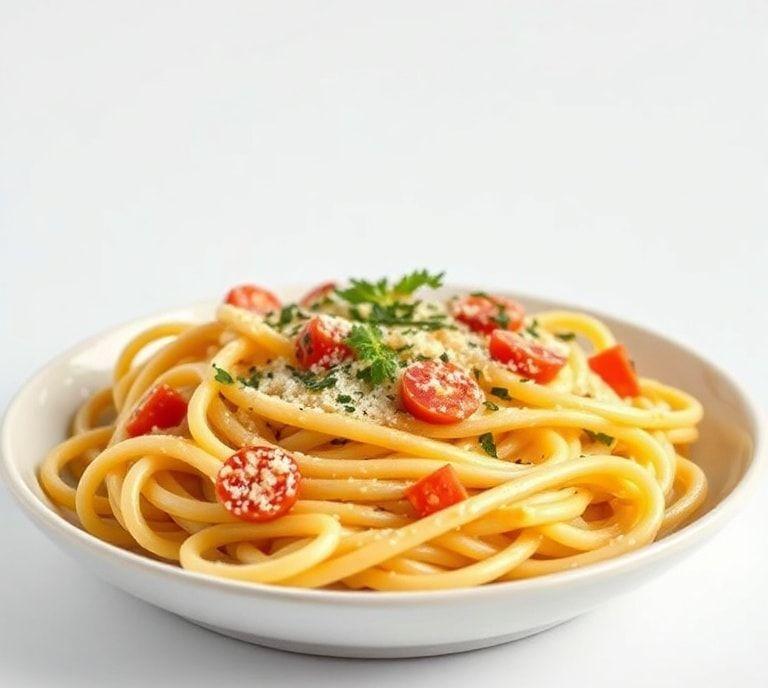
In this vegetarian version of pasta carbonara, we’re swapping out pancetta or guanciale for a few simple ingredients that give us that wonderful umami flavor without the need for animal products. The beauty of this recipe is that it’s easy, quick, and doesn’t compromise on flavor. Perfect for those nights when you want something comforting but don’t want to spend hours in the kitchen.
Ingredients Needed
To make this vegetarian pasta carbonara, you don’t need much, just a few staple ingredients:
- Pasta – You can use spaghetti, fettuccine, or any other long pasta you like. The shape doesn’t matter much, but the classic choice is spaghetti.
- Eggs – A key ingredient for that creamy sauce. You’ll want large eggs, and don’t be afraid to use the yolks generously-this gives the carbonara its signature richness.
- Cheese – Traditional carbonara calls for Pecorino Romano, a hard, salty cheese with a sharp tang. However, you can swap it with Parmesan or Grana Padano if you prefer something milder. A mixture of both works beautifully.
- Mushrooms – The key meat substitute here. Mushrooms provide that meaty texture and umami flavor. I prefer using cremini or portobello for their depth, but shiitake can add a lovely earthy twist.
- Olive Oil – To sauté the mushrooms and give a bit of richness to the dish.
- Garlic – For a touch of warmth and flavor in the background.
- Freshly Ground Black Pepper – The pepper in carbonara isn’t just for taste-it also adds that signature bite that cuts through the creaminess.
Optional:
- Fresh herbs – A sprinkle of fresh parsley can brighten the dish and add a pop of color.
- Lemon zest – A little zest can give a fresh twist that balances the richness of the sauce.
Cooking Instructions
-
Prepare The Pasta
Start by bringing a large pot of salted water to a boil. Cook your pasta until al dente, following the package instructions. Once it’s done, reserve about a cup of pasta water before draining. This starchy water will help to adjust the consistency of the sauce later.
-
Cook The Mushrooms
While the pasta cooks, heat a couple of tablespoons of olive oil in a large pan over medium heat. Add the mushrooms and sauté until they’re golden brown, about 5-7 minutes. Season them with salt, pepper, and garlic, cooking for another 1-2 minutes until the garlic is fragrant. The mushrooms should be tender and have released their moisture, turning a lovely caramelized brown. Remove them from the pan and set aside.
-
Make The Sauce
In a bowl, whisk together the eggs, most of the cheese (save a bit for garnishing), a generous amount of freshly ground black pepper, and a pinch of salt. Once combined, set the bowl aside.
-
Combine
Once the pasta is drained, immediately toss it into the pan with the mushrooms, making sure it’s still hot. The warmth of the pasta will help to thicken the sauce. Slowly pour the egg and cheese mixture over the pasta, tossing quickly to coat the noodles. The heat from the pasta and mushrooms will cook the eggs just enough to create that luscious, creamy texture without scrambling them.
-
Adjust The Sauce
If the sauce seems too thick, add a little bit of the reserved pasta water to loosen it up. The sauce should be silky, coating each strand of pasta perfectly.
-
Serve And Garnish
Plate your pasta and finish with the remaining cheese, a little extra black pepper, and fresh herbs or lemon zest if you’d like. Serve immediately.
Ingredient Science Spotlight
Here’s where the magic happens. The key to achieving that creamy, velvety texture in carbonara-whether vegetarian or not-is the combination of eggs, cheese, and pasta water. The eggs, when beaten and mixed with cheese, create a smooth emulsion that forms the base of the sauce. The heat of the pasta gently cooks the egg mixture without scrambling it, creating that dreamy, silky texture.
Mushrooms, on the other hand, are the unsung heroes of this vegetarian version. They are packed with glutamates-natural compounds responsible for that savory umami flavor you’d typically get from meat. Whether you’re using mushrooms for their texture or flavor, they bring a depth and richness to the dish that’s vital for maintaining the soul of carbonara.
Expert Tips
- Pasta Water Is Key: The starchy pasta water is your best friend when making carbonara. It helps to loosen the sauce and binds it to the pasta. Don’t skip this step!
- Temper the Eggs: If you’re worried about scrambling the eggs, you can temper them by adding a little bit of hot pasta water to the egg mixture before adding it to the pasta. This gradually warms the eggs and prevents them from turning into scrambled eggs.
- Use Room Temperature Eggs: Cold eggs can seize up when added to hot pasta. Let them sit at room temperature for about 15 minutes before using them in the sauce.
- Don’t Overcook the Pasta: It’s better to err on the side of slightly undercooked pasta. It will continue to cook in the pan when you toss it with the sauce, absorbing all that deliciousness.
Recipe Variations
- Vegan Carbonara: For a fully plant-based version, swap out the eggs for a cashew cream or a combination of silken tofu and nutritional yeast. You can also use a dairy-free cheese that melts well.
- Smoked Paprika: For a smoky depth without the pancetta, try adding a pinch of smoked paprika. This can bring a beautiful richness to the dish.
- Peas or Spinach: Adding peas or spinach will give a burst of color and texture, while also sneaking in some vegetables. Both work well with the creaminess of the sauce.
- Tofu Bacon: If you’re craving that crispy, savory bite, try making tofu bacon by marinating tofu in a smoky, salty mixture and baking it until crisp. It adds that satisfying crunch in place of pancetta.
Final Words
Creating a vegetarian pasta carbonara is all about balance. The goal is to replicate the rich, creamy, and comforting texture of the original, without losing that depth of flavor. By using mushrooms as the key ingredient, you get all the satisfaction of carbonara-minus the meat-and you’ll be left with a dish that feels indulgent, yet lighter and fresher than the traditional.
FAQs
Can I Make A Vegetarian Carbonara Without Eggs?
Yes, you can make a vegetarian carbonara without eggs by using plant-based substitutes like silken tofu, cashew cream, or dairy-free yogurt. These alternatives help achieve the creamy texture typical of traditional carbonara while keeping the recipe vegan or vegetarian-friendly.
What Ingredients Can Replace Pancetta Or Bacon In A Vegetarian Carbonara?
In a vegetarian carbonara, you can replace pancetta or bacon with ingredients such as smoked tofu, tempeh, or vegetarian bacon. These alternatives provide a similar smoky flavor and texture while keeping the dish vegetarian.
Is It Necessary To Use Parmesan Cheese In A Vegetarian Carbonara Recipe?
While traditional carbonara uses parmesan or pecorino for its salty, umami flavor, you can substitute it with vegetarian cheese or nutritional yeast in a vegetarian carbonara. These options will give the dish a similar savory taste without compromising the vegetarian aspect.