
Pasta e Fagioli is one of those classic Italian comfort foods that seems to hold a special place in both family kitchens and restaurant menus. It’s the kind of dish that makes you feel like you’ve been wrapped in a warm, cozy blanket, even when you’re just sitting down for lunch or dinner. The beauty of Pasta e Fagioli, or “pasta and beans”, lies in its simplicity and depth of flavor. It’s hearty yet wholesome, filling yet nourishing. And here’s the best part: you can make it vegetarian without losing any of its soul-warming goodness.
I remember the first time I had Pasta e Fagioli at an Italian family gathering. It wasn’t a fancy dish by any means, but there was something about it that felt so real, so grounding. The flavors, a perfect balance of earthiness from the beans, richness from the tomatoes, and a subtle depth of garlic and herbs, danced in a way that made it impossible to not go for seconds.
So, today, I’m sharing with you a vegetarian version of Pasta e Fagioli that doesn’t skip any of the deliciousness-because trust me, it doesn’t need to.
Pasta E Fagioli Vegetarian Recipe
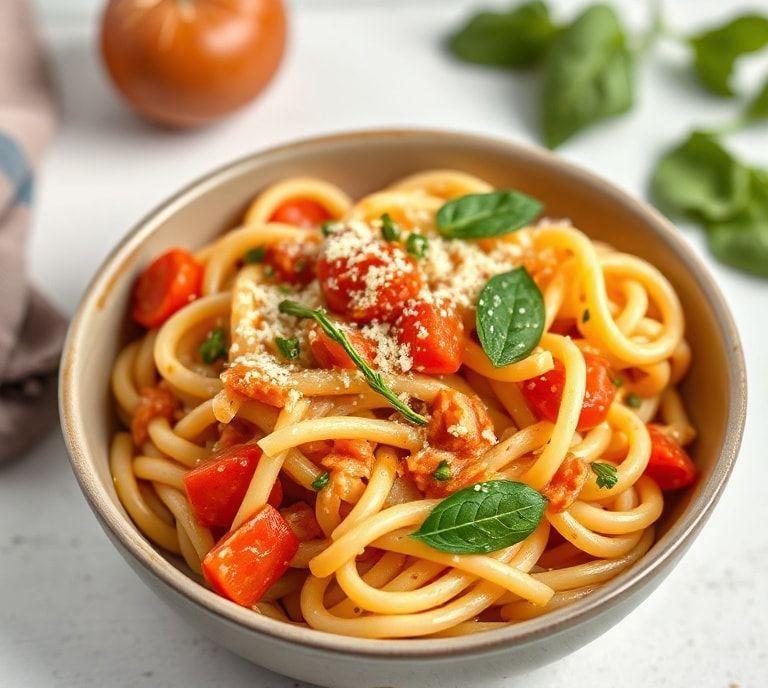
This vegetarian Pasta e Fagioli recipe is just like the one I had that day, only it skips the meat but still delivers a deep, satisfying flavor. With a combination of pantry staples like beans, pasta, tomatoes, and a handful of aromatic herbs, you’ll be surprised at how much flavor can be packed into something so simple. It’s the kind of dish you make on a lazy Sunday afternoon or for a weeknight dinner that doesn’t require too much attention but rewards you with comforting warmth and heartiness.
Ingredients Needed
Let’s break it down-here’s everything you’ll need to create this vegetarian masterpiece:
- Olive Oil: A good-quality olive oil is key. It will serve as the base for sautéing your aromatics and create a delicious richness in the broth.
- Onion: A finely chopped onion adds that subtle sweetness and aromatic depth.
- Garlic: Minced garlic is essential for that flavorful base. It infuses the entire dish with that wonderful fragrance.
- Carrot & Celery: These vegetables, along with the onion, form the classic Italian mirepoix that provides an incredible layer of flavor and texture.
- Canned Tomatoes: Diced or crushed tomatoes, whichever you prefer, will form the tomato base of the soup. You could even use fresh tomatoes if they’re in season, but canned are great for a quicker prep.
- Vegetable Broth: To keep things vegetarian, vegetable broth is a perfect substitute for the traditional chicken or beef broth. It brings out the earthy flavor of the beans.
- Beans: Cannellini beans or Great Northern beans are the best choices for this dish, though you could swap in other white beans if needed. They add creaminess and a heartiness that complements the pasta.
- Pasta: Small pasta shapes like ditalini or elbow macaroni work best here, as they can absorb the broth without overwhelming the soup.
- Bay Leaves: A couple of bay leaves will add a gentle, herbal layer to the soup.
- Thyme: Fresh thyme is wonderful here, but dried thyme can also be used if you don’t have access to fresh.
- Salt & Pepper: Don’t forget these basics to season your soup to perfection.
Optional, but recommended:
- Parmesan Cheese: For garnish. Even though this recipe is vegetarian, you can opt for a vegetarian-friendly Parmesan, or simply skip it if you prefer.
- Fresh Parsley: A sprinkle of fresh herbs at the end will brighten the entire dish, both visually and in flavor.
Cooking Instructions
Here’s how to bring it all together:
- Sauté the Vegetables: Heat about 2 tablespoons of olive oil in a large pot over medium heat. Add the chopped onion, carrot, and celery, and sauté for about 5 minutes, or until the veggies have softened and the onion turns translucent. Add the garlic and cook for another 1-2 minutes, until fragrant.
- Add Tomatoes and Broth: Pour in the canned tomatoes (with their juices) and vegetable broth. Stir to combine, and bring the mixture to a gentle simmer. Add the bay leaves, thyme, salt, and pepper. Let this cook for about 10-15 minutes, allowing the flavors to meld.
- Add the Beans: Drain and rinse your beans, then add them to the pot. Let them cook for another 10 minutes. The beans should absorb some of the tomato-broth mixture, creating a rich, flavorful base.
- Cook the Pasta: In a separate pot, bring salted water to a boil and cook your pasta according to the package instructions, until al dente. Drain the pasta and add it directly to the soup.
- Final Touches: Stir everything together, and let the soup simmer for another 5-10 minutes so the pasta and beans fully absorb the broth. If you want a thicker consistency, you can use an immersion blender to blend some of the soup, but don’t overdo it-keeping a bit of texture is key!
- Serve: Ladle the soup into bowls and top with freshly chopped parsley and a sprinkle of Parmesan (if using). A drizzle of extra virgin olive oil wouldn’t hurt either, to add that finishing touch.
Ingredient Science Spotlight
There’s a lot of science happening in this dish-especially when it comes to the way the beans and pasta interact with the broth. The key is in the starches and proteins in both the beans and pasta. When pasta cooks in a soup, it releases starches into the liquid, thickening it and creating that velvety texture that’s so satisfying. Beans, on the other hand, are packed with soluble fiber, which helps thicken the broth naturally. The slow simmering process allows the flavors to deepen, as the heat breaks down the starches and proteins, creating a richer, more complex soup.
Plus, the fresh vegetables-onions, garlic, carrots, and celery-contain a variety of antioxidants and phytochemicals. These work together to enhance the flavor profile of the soup while also adding health benefits. Garlic, for example, is known for its antimicrobial properties and ability to support heart health, while carrots and celery are packed with vitamins and minerals.
Expert Tips
- Don’t Overcook the Pasta: Pasta can easily turn mushy if overcooked, especially in a soup. Always cook it al dente before adding it to the soup. If you’re reheating leftovers, you might want to cook the pasta separately and add it when serving to maintain its texture.
- Adjust the Consistency: Some like their Pasta e Fagioli thick, others prefer it more brothy. If it gets too thick, just add a little more vegetable broth or water. If it’s too thin, let it simmer uncovered for a bit longer to reduce.
- Use Fresh Herbs: Fresh thyme and bay leaves can really elevate the soup. If you’re using dried herbs, remember that dried herbs are more concentrated, so use less than you would fresh.
- Make it a Day Ahead: Like most soups, Pasta e Fagioli often tastes even better the next day as the flavors have more time to meld.
Recipe Variations
While this recipe is vegetarian, Pasta e Fagioli is flexible and can easily be adapted to suit different preferences:
- Meat Lover’s Version: If you want to bring back the traditional version, simply add some pancetta, bacon, or sausage at the beginning, along with the onions and garlic, to infuse the soup with extra richness.
- Add More Greens: For extra nutrition and color, you can stir in some spinach or kale near the end of cooking. They’ll wilt into the soup and add a fresh note.
- Gluten-Free Option: Swap out the pasta for a gluten-free variety, like rice or quinoa, or use gluten-free pasta.
- Tomato-Free Version: If you’re not a fan of tomatoes, try a white bean version with no tomatoes and just more broth. You can add a bit of lemon juice and zest for acidity.
Final Words
Pasta e Fagioli is a dish that proves how simple ingredients, when prepared thoughtfully, can create something magical. It’s perfect for cozy dinners or even for batch cooking and reheating throughout the week. Whether you’re a seasoned cook or someone who just loves to get into the kitchen for a satisfying meal, this recipe won’t let you down.
The beauty of it lies in its versatility-it’s as much about the experience of cooking and enjoying it as it is about the dish itself. It’s easy to fall into the rhythm of making this recipe, and with every step, you’ll feel more connected to the ingredients and the tradition behind this classic dish.
FAQs
What Is Pasta E Fagioli?
Pasta e fagioli is a traditional Italian dish that combines pasta with beans (usually cannellini beans or other white beans) in a hearty soup or stew. The dish is often made with vegetables, such as onions, garlic, carrots, and celery, and flavored with herbs like rosemary and thyme. In the vegetarian version, there is no meat, making it a flavorful, plant-based meal that’s both filling and nutritious.
Can I Use Any Type Of Pasta For Pasta E Fagioli?
While the classic version of pasta e fagioli often uses small pasta shapes like ditalini or elbow macaroni, you can substitute with any type of pasta you prefer. Short, tubular shapes or small shells work well, as they capture the beans and broth. However, long pasta, like spaghetti, is not typically used in this dish as it doesn’t pair as well with the stew-like consistency.
What Beans Can I Use In A Vegetarian Pasta E Fagioli Recipe?
Cannellini beans (white kidney beans) are the most common beans used in pasta e fagioli, as they have a creamy texture and mild flavor. However, you can also use other beans like navy beans, great northern beans, or even borlotti beans for a different flavor profile. The key is to choose beans that will hold their shape while cooking and create a creamy broth when mashed slightly.