Pasta has always been a comforting and versatile dish, no matter the season. For me, pasta isn’t just food; it’s a reminder of cozy nights spent around the table with family, the laughter over a shared meal, and the quiet joy of savoring each bite. This recipe, a vegetarian pasta, brings all of that together-simple yet full of flavor, nourishing yet light, and always satisfying. Whether you’re cooking for a busy weeknight dinner or prepping for a relaxed weekend gathering, this dish is the perfect companion.
What makes pasta so special is its ability to transform with the ingredients it’s paired with, so it can fit any mood or occasion. This particular vegetarian pasta recipe isn’t just about the flavors, though; it’s about appreciating what goes into each bite-the vegetables, the seasoning, and, of course, the pasta itself.
Let’s dive into the heart of this dish and see what makes it so delightful, both in preparation and in flavor.
Pasta Vegetarian Recipe
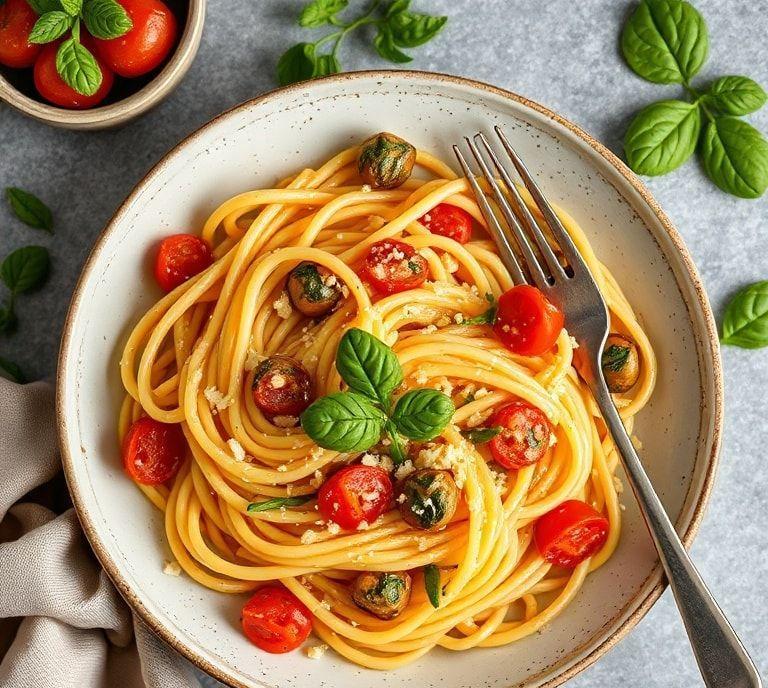
I’ve always been a fan of dishes that are quick but don’t skimp on depth of flavor. The great thing about vegetarian pasta is that it can easily be both. There’s something magical about how fresh vegetables and herbs come together with a simple base of olive oil, garlic, and a dash of seasoning to create something truly satisfying. This recipe is no exception. It’s light yet filling, with a combination of fresh, sautéed vegetables and al dente pasta all bound together with a light sauce that ties everything up without overwhelming the ingredients.
You don’t need anything fancy to make this dish sing. Just some basic pantry staples and whatever fresh veggies you have on hand. The beauty of this recipe lies in its adaptability. So, even if you find yourself missing a certain ingredient, you can easily substitute and still create something delicious.
Ingredients Needed
Here’s what you’ll need to make this dish:
- Pasta: You can use any type you like-spaghetti, penne, fusilli, or any other variety that holds sauce well. Personally, I tend to lean towards penne or farfalle, as the ridges do a great job of catching the sauce.
- Olive oil: A good-quality olive oil adds richness and depth to the dish. You don’t need a lot, just enough to sauté the vegetables and create a light, flavorful base.
- Garlic: Fresh garlic is essential for building that savory, aromatic base. I usually go for three cloves, but you can always adjust based on your preference.
- Vegetables: The beauty of this recipe is that you can use whatever vegetables are in season or available. Some great options include bell peppers, zucchini, spinach, cherry tomatoes, or even eggplant. A mix of textures and colors brings both visual appeal and taste.
- Herbs and spices: Fresh basil, oregano, and thyme are wonderful, but don’t be afraid to experiment with rosemary or even a dash of crushed red pepper for some heat. Salt and black pepper are essential, too.
- Parmesan or Pecorino cheese: A generous sprinkle of cheese at the end adds creaminess and a bit of sharpness. If you want to make this fully vegetarian, be sure to use a vegetarian-friendly cheese.
Cooking Instructions
- Cook the pasta: Bring a large pot of salted water to a boil. Add the pasta and cook according to the package instructions until al dente. Reserve about a cup of pasta cooking water before draining. It helps to loosen the sauce later.
- Sauté the garlic: While the pasta is cooking, heat a couple of tablespoons of olive oil in a large skillet over medium heat. Once hot, add the minced garlic and cook for 1-2 minutes until fragrant, being careful not to burn it.
- Add the vegetables: Add your chopped vegetables to the skillet. If you’re using a mix like bell peppers and zucchini, start with the firmer vegetables like peppers and cook for about 5 minutes. Then, add the softer ones like zucchini or spinach, and sauté until they’re tender and slightly caramelized.
- Combine pasta and veggies: Once the pasta is done, add it to the skillet with the vegetables. Toss everything together, adding a little of the reserved pasta water to help the sauce come together. You want just enough to create a light coating of sauce over the pasta.
- Season and serve: Season with salt, pepper, and your choice of herbs. A sprinkle of Parmesan or Pecorino cheese adds richness and balances out the dish perfectly. If you like a bit of extra flavor, a few red pepper flakes can elevate the whole thing.
- Garnish and enjoy: Top with fresh basil and a final dusting of cheese. Serve hot and enjoy the simple beauty of this vegetarian pasta dish.
Ingredient Science Spotlight
Let’s take a moment to talk about the science behind some of the key ingredients in this dish, because they’re not just adding flavor-they’re working in harmony to make the meal even better. For instance, garlic contains compounds like allicin, which gives it its signature aroma and a bit of a health boost-studies suggest garlic has anti-inflammatory and immune-boosting properties.
When it comes to the pasta, it’s not just a vessel for sauce; it’s a complex carbohydrate that provides energy. The starch in pasta interacts with the cooking water, and that’s why it’s essential to save a bit of that pasta water-it contains the starchy residue that can help bind the sauce to the pasta, making it stick better.
The olive oil you use also plays an important role. Rich in monounsaturated fats, it not only enhances flavor but also aids in the absorption of fat-soluble vitamins found in vegetables like A, D, and K. It’s a simple yet powerful way to make your meal more nutritious without complicating things.
Expert Tips
- Use the pasta water: This is a simple yet essential tip that many people overlook. The starchy pasta water helps emulsify the sauce and ensures it clings to the pasta, giving you that perfect, lightly coated finish.
- Don’t overcook the vegetables: You want them tender, but still with a little bite. Overcooking can result in mushy vegetables, which lose their texture and vibrant colors.
- Use a mix of herbs: Combining fresh basil with a hint of thyme or oregano adds depth to the dish. Fresh herbs offer more flavor than dried herbs, so I always make sure to use them whenever possible.
- Season to taste: Pasta dishes often benefit from extra seasoning at the end. After adding the cheese, give it a taste, and don’t hesitate to add a pinch more salt or pepper if needed.
Recipe Variations
While this dish is already wonderfully adaptable, there are many ways you can make it your own:
- Add protein: If you’re looking to make it more filling, consider adding chickpeas, beans, or even a few pieces of grilled tofu. You could also add roasted nuts like pine nuts for a bit of crunch.
- Switch up the veggies: The beauty of a vegetarian pasta recipe is that you can use whatever you like! Try roasted butternut squash, Brussels sprouts, or even kale in place of spinach.
- Make it creamy: If you’re craving something richer, you can add a splash of cream or make a light cream sauce with a little butter and milk. It’ll give the dish a comforting texture.
- Go gluten-free: If you need a gluten-free option, simply swap out regular pasta for a gluten-free variety. There are many great alternatives now that taste just as delicious.
Final Words
This vegetarian pasta is the kind of meal that makes you feel good, both while cooking and eating. It’s simple, yes, but it’s also a celebration of good ingredients and thoughtful seasoning. Whether you’re making it for yourself on a quiet evening or sharing it with loved ones, there’s something inherently satisfying about bringing fresh flavors together in a single dish.
It’s a recipe I often turn to when I want something hearty but not too heavy-something that leaves me feeling nourished without the food coma afterward. It’s easy enough to throw together on a busy weeknight, but it’s also impressive enough to serve to friends.
FAQs
What Are The Best Types Of Pasta For Vegetarian Recipes?
The best types of pasta for vegetarian recipes are those that complement a wide range of vegetables, sauces, and seasonings. Some popular options include spaghetti, penne, fusilli, farfalle, and rigatoni. These shapes hold sauces well and can be paired with various ingredients such as roasted vegetables, pesto, or creamy sauces. Whole wheat or gluten-free pasta options are also great choices for those with dietary preferences.
Can I Make A Vegetarian Pasta Recipe Without Cheese?
Yes, you can definitely make a vegetarian pasta recipe without cheese. There are many plant-based alternatives available, such as nutritional yeast, cashew cream, or vegan cheese options made from nuts or soy. Additionally, you can enhance the flavor with a variety of herbs, spices, and vegetables like tomatoes, olives, and mushrooms to create a delicious, cheese-free pasta dish.
What Are Some Protein-rich Ingredients To Add To A Vegetarian Pasta Dish?
To make a vegetarian pasta dish more protein-rich, consider adding ingredients like legumes (e.g., chickpeas, lentils, or black beans), tofu, tempeh, or seitan. Other options include nuts and seeds (such as pine nuts or sunflower seeds) and even plant-based protein powders. These ingredients will not only provide protein but also add texture and depth to your vegetarian pasta dishes.