Cooking has always felt like a little bit of magic to me. The way simple ingredients, when combined with a bit of care and attention, can transform into something delicious is always a thrill. One of the dishes that embody this magic for me is the Pasticcio Vegetarian – a vibrant, hearty, and comforting dish that combines layers of flavor in a way that feels like a warm hug for the soul.
I first discovered pasticcio while living in a small, cozy flat in the heart of an Italian neighborhood. It was the kind of place where nonna’s pasta sauce was always bubbling away in the kitchen, and the scent of fresh herbs wafted through the air, mingling with the sound of laughter and conversation. A good friend, an older Italian woman named Lucia, introduced me to this dish. I remember the first time she made it for me; I was expecting something complicated, like most traditional dishes, but instead, it was surprisingly simple and utterly satisfying. It was a warm reminder that the best meals are often the ones made with love and the simplest ingredients.
So, in honor of that memory, I want to share with you my version of the Pasticcio Vegetarian, a twist on the classic that celebrates vegetables in a rich, savory, and creamy pasta dish. It’s the kind of recipe you’ll want to make when you’re craving something both indulgent and wholesome – a dish that feels like both a treat and a nourishment.
Pasticcio Vegetarian Recipe
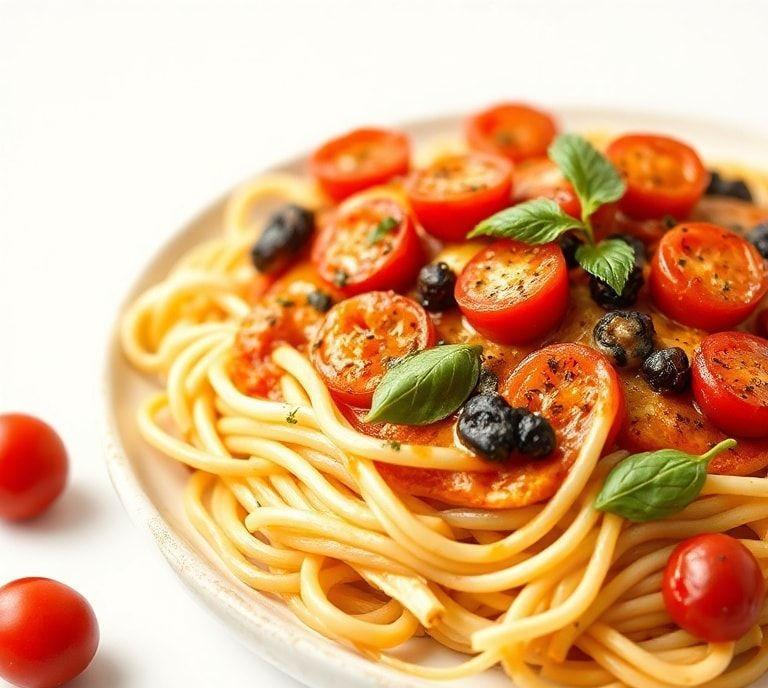
Pasticcio is a kind of baked pasta dish, traditionally made with meat or béchamel sauce, layered with pasta and sometimes a cheesy topping. However, when you swap out meat for vegetables and adjust the sauce to be lighter yet just as creamy, you end up with a vegetarian version that still gives you that comforting, rich feel but without the heaviness.
The beauty of pasticcio lies in its versatility. You can mix and match your vegetables based on what’s in season or what you have in your pantry. Think of it like a canvas where the flavors and textures come together in layers of deliciousness.
Ingredients Needed
For the Pasticcio Vegetarian, here’s a simple list of what you’ll need:
- Pasta: I love using short, sturdy pasta like penne, rigatoni, or even orecchiette. These hold onto the sauce and other ingredients beautifully.
- Olive oil: For sautéing and creating the base of your sauce. The richness of the oil adds depth to the flavors.
- Onion: A couple of onions will bring a sweet, aromatic base to the dish.
- Garlic: Fresh garlic is a must for that aromatic punch.
- Mixed vegetables: Zucchini, eggplant, bell peppers, and mushrooms – these are my go-to picks, but you can also add spinach, carrots, or even peas for variation.
- Tomato paste: This is essential for the rich, deep tomato flavor that forms the backbone of the sauce.
- Vegetable broth: To keep the sauce light and full of flavor.
- Ricotta cheese: The creamy texture of ricotta is key here.
- Mozzarella: For that melty, gooey, cheesy topping.
- Parmesan cheese: For extra richness and depth of flavor.
- Fresh basil: A handful of fresh basil leaves will brighten everything up at the end.
- Salt and pepper: To taste, of course.
Cooking Instructions
- Prepare the pasta: Cook your pasta in a large pot of salted boiling water until it’s just al dente. Remember, it will continue cooking in the oven, so don’t overdo it. Drain and set aside.
- Sauté the vegetables: Heat olive oil in a large pan over medium heat. Add the chopped onions and garlic, letting them soften and release their aroma for a few minutes. Then add your mixed vegetables. Sauté them until they begin to soften and develop a little caramelization – this is where a lot of the flavor comes from.
- Make the sauce: Stir in the tomato paste and cook for a couple of minutes to deepen its flavor. Pour in the vegetable broth, bringing everything to a simmer. Let the sauce cook for about 10-15 minutes, until it thickens slightly and the flavors meld together. Season with salt and pepper to taste.
- Assemble the pasticcio: Preheat your oven to 375°F (190°C). In a large baking dish, start layering your pasticcio. Begin with a thin layer of the vegetable sauce on the bottom. Add a layer of cooked pasta, followed by a spoonful of ricotta and some shredded mozzarella. Repeat the process, layering sauce, pasta, ricotta, and mozzarella, finishing with a layer of sauce and a generous sprinkling of Parmesan on top.
- Bake: Cover the dish with foil and bake for 20 minutes. Then, remove the foil and bake for another 10-15 minutes until the top is golden and bubbling.
- Finish and serve: Let the pasticcio rest for a few minutes before serving. Garnish with fresh basil leaves for a touch of color and freshness.
Ingredient Science Spotlight
Let’s talk about the tomato paste and why it’s so essential in this recipe. Tomato paste is made by simmering tomatoes to reduce their water content and concentrate their flavors. It’s a powerful little ingredient because it packs in the umami and sweetness of tomatoes without the excess liquid. When you add tomato paste to the vegetable sauce, it deepens the overall flavor and gives the dish that rich, savory backbone.
Another important player is ricotta cheese. The magic of ricotta is its delicate texture and mild flavor. It balances out the richness of the mozzarella and the depth of the tomato sauce. Ricotta adds a creamy element that’s not too heavy, making it perfect for dishes like pasticcio where you want richness without feeling weighed down.
Expert Tips
- Layer the flavors: Don’t rush the sautéing process. The more time you allow for the onions and garlic to cook down and the vegetables to caramelize, the more depth of flavor your dish will have.
- Add a pinch of nutmeg: A touch of nutmeg, especially in the ricotta mixture, can elevate the dish and bring a warm, comforting flavor that pairs beautifully with the creamy sauce.
- Make it ahead: This dish actually tastes even better the next day! If you’re planning for a family dinner or want to meal prep, you can assemble it the day before, store it in the fridge, and just pop it in the oven when you’re ready.
- Use different cheeses: While mozzarella and ricotta are classic, feel free to get creative. A blend of fontina, gouda, or goat cheese can give the dish a different flavor profile.
Recipe Variations
While the core of this dish stays the same, there are plenty of ways to customize it based on what you have on hand or your personal preferences:
- Roasted Vegetables: Instead of sautéing your veggies, roast them. The caramelization from the oven will add a rich, smoky flavor that complements the pasta beautifully.
- Spinach and Ricotta Filling: You could switch out some of the ricotta for spinach to make it even more hearty. This variation brings in an extra burst of color and nutrition.
- Vegan Version: For a dairy-free version, swap out the ricotta and mozzarella for vegan alternatives. There are some great vegan cheeses out there that melt beautifully and will keep the dish creamy.
- Add a Crusty Top: For a crunchy contrast, top your pasticcio with breadcrumbs mixed with a little olive oil and herbs. Bake until golden and crispy for an added texture element.
Final Words
Cooking is a personal thing. It’s a reflection of who you are and the flavors you enjoy. This Pasticcio Vegetarian is a celebration of that – a dish you can make your own, whether you’re in the mood for something rich and cheesy or light and fresh. It’s about taking a few simple ingredients, layering them with care, and coming out with something that’s far greater than the sum of its parts.
I hope this recipe brings the same warmth and comfort to your kitchen as it has to mine. Whether you’re cooking for yourself or sharing it with friends, there’s something special about a dish that brings everyone together.
FAQs
What Is A Pasticcio Vegetarian Recipe?
A pasticcio vegetarian recipe is a type of savory Italian casserole dish traditionally made with layers of pasta, vegetables, and often a rich béchamel sauce, sometimes accompanied by cheese or other plant-based ingredients. This dish can vary widely depending on the region and personal preferences, but typically involves roasted or sautéed vegetables such as eggplant, zucchini, mushrooms, or spinach, along with pasta, which is layered in a baking dish, then covered in a creamy sauce and baked until golden and bubbly.
Can I Make A Vegan Pasticcio Vegetarian Recipe?
Yes, you can easily make a vegan version of the pasticcio vegetarian recipe. To do so, replace dairy ingredients such as milk, butter, and cheese with plant-based alternatives. Use a non-dairy milk like almond, soy, or oat milk for the béchamel sauce, and substitute vegan cheese or nutritional yeast for cheese. Additionally, ensure that any pasta you use is egg-free for a fully vegan dish. With these simple substitutions, you can enjoy a delicious vegan pasticcio that maintains the creamy, comforting texture of the original.
What Vegetables Work Best In A Pasticcio Vegetarian Recipe?
A variety of vegetables can be used in a pasticcio vegetarian recipe, depending on personal taste and seasonal availability. Some popular choices include eggplant, zucchini, mushrooms, spinach, bell peppers, and artichokes. Roasting or sautéing the vegetables beforehand helps enhance their flavors and ensures they are tender. You can also incorporate root vegetables like carrots or sweet potatoes for a heartier dish. The key is to balance the flavors and textures, so feel free to experiment with different combinations to suit your preferences.