Pita bread holds a special place in my heart. It’s the kind of bread that effortlessly pulls you into its warm, soft embrace, wrapping itself around all the delicious fillings you can imagine. I remember the first time I tried making it from scratch. The dough rose with a life of its own, and when it hit the oven, the kitchen filled with the most intoxicating smell. And then came the moment I pulled the soft, pillowy loaves out of the oven, ready to tear apart and devour. I’ve made plenty of bread in my time, but pita’s unique texture, with its air pockets that make it perfect for stuffing, always makes it feel extra special.
Pita bread is also one of those foods that can be as simple or as complex as you want it to be. You can enjoy it plain, fresh from the oven, or get creative by filling it with anything from a classic falafel to a simple veggie spread. This recipe will show you how to make your own pita bread at home, but with a slight twist – a vegetarian-inspired approach to the dough that makes it extra flavorful and healthy. Plus, it’s a great way to impress friends or family, or just enjoy a homemade loaf that’s both satisfying and versatile.
Pita Bread Vegetarian Recipe
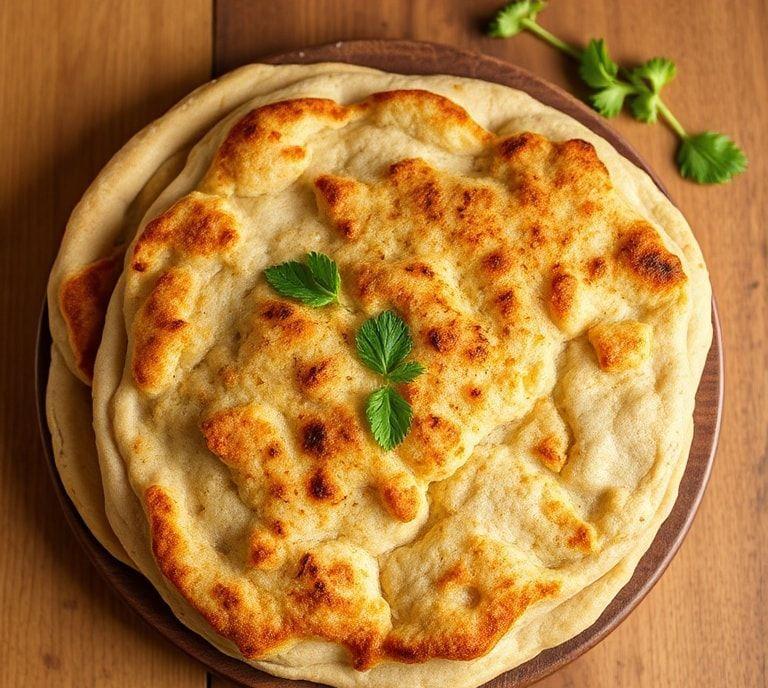
There’s something undeniably rewarding about making your own bread, and pita is no exception. The process is straightforward, but the result is so much more than just a flatbread. For this vegetarian pita recipe, the dough itself becomes an experience-rich, soft, and perfect for just about anything you want to stuff inside. Whether you’re dipping, folding, or stuffing, homemade pita is as good as it gets.
Ingredients Needed
- Flour – 3 cups of all-purpose flour. This is your base. You want something soft but with enough structure to hold up when you stuff your pita.
- Active dry yeast – 1 packet (about 2 1/4 teaspoons). This is your leavening agent, helping the dough rise and giving it that light texture.
- Olive oil – 2 tablespoons. Olive oil adds richness to the dough and makes the pita soft and slightly chewy.
- Sugar – 1 teaspoon. Just a touch to feed the yeast, helping it bloom and making the dough nice and airy.
- Salt – 1 teaspoon. Salt isn’t just for flavor. It also helps with the structure of the dough, balancing the yeast’s rise.
- Warm water – 1 1/4 cups. The water needs to be warm enough to activate the yeast but not so hot that it kills it. Think of it like a warm bath for the yeast.
- Optional: Fresh herbs (like rosemary or thyme) – A small handful. These add a subtle depth of flavor that makes the pita stand out, transforming it into something more than just a bread.
Cooking Instructions
Making pita bread from scratch doesn’t have to be intimidating. Here’s how to do it:
- Activate the yeast: In a small bowl, mix the warm water and sugar. Sprinkle the yeast over the top and let it sit for 5-10 minutes until it’s bubbly and frothy. This step is crucial-if the yeast doesn’t bubble, your dough won’t rise.
- Make the dough: In a large bowl, combine the flour and salt. Make a well in the center and pour in the yeast mixture along with the olive oil. Stir until it forms a shaggy dough.
- Knead the dough: Turn the dough out onto a lightly floured surface. Knead for about 8-10 minutes, until it’s smooth and elastic. This is where the magic happens-the kneading develops the gluten, which gives the pita its signature texture.
- Let it rise: Place the dough in a lightly oiled bowl, cover with a clean kitchen towel, and let it rise for about 1 hour, or until it’s doubled in size. It’s always amazing to see how much dough can expand with just a little patience.
- Shape the pitas: Punch down the dough to release the air. Divide it into 8 equal pieces. Roll each piece into a ball and let them rest for about 10 minutes to relax the gluten. This makes rolling them out easier.
- Roll out the dough: On a lightly floured surface, roll each ball into a flat circle about 6 inches in diameter. If you’re adding herbs or spices, now’s the time to fold them into the dough or sprinkle them on top before rolling.
- Cook the pitas: Heat a heavy-bottomed pan or skillet over medium-high heat. Place a dough circle in the hot pan and cook for about 2-3 minutes on one side, until you see bubbles forming. Flip it over and cook for another minute or so. You’ll know it’s done when it puffs up like a balloon. Repeat with the remaining dough.
- Cool and serve: Let the pitas cool on a wire rack. They’ll deflate slightly but still hold their perfect shape. Now they’re ready for whatever you have in mind.
Ingredient Science Spotlight
When you break it down, each ingredient in pita bread plays a unique role that contributes to its final texture and flavor. For example:
- Flour: The type of flour you choose makes all the difference. All-purpose flour is ideal because it strikes the perfect balance between lightness and structure. Too little gluten, and the pita won’t puff; too much, and it becomes dense and chewy.
- Yeast: Yeast is the silent worker behind every airy bread. It ferments the sugars in the dough, releasing carbon dioxide that causes the dough to rise. The key is giving it enough time to work its magic but not overworking it. You don’t want to rush the dough. Patience is a virtue here.
- Olive oil: Not only does it add richness, but the oil helps with the dough’s elasticity. It also creates a slight crispness on the outside while keeping the inside soft.
- Salt: It’s more than seasoning. Salt strengthens the dough’s gluten network, allowing it to hold its shape better and rise more evenly.
Expert Tips
- Make sure your water isn’t too hot. If it’s too hot, it’ll kill the yeast, and if it’s too cold, the yeast won’t activate. The perfect water temperature is between 100°F and 110°F. You can test it with your finger-it should feel warm, not hot.
- Use a cast iron skillet or heavy pan. The heat retention of cast iron ensures even cooking and gives the pita the crispy edges while keeping the interior soft.
- Let the dough rise in a warm, draft-free area. If your kitchen is a little cold, you can create a warm environment by placing the bowl in your oven with the light on.
- Don’t skip the resting time for the dough balls. Letting them rest for 10 minutes makes the dough much easier to roll out and prevents it from springing back.
Recipe Variations
- Herbed Pita: Add finely chopped fresh rosemary, thyme, or even oregano to the dough for a more aromatic experience. The herbs will infuse the pita with a savory aroma that pairs beautifully with Mediterranean dips or grilled vegetables.
- Whole Wheat Pita: Swap out half or all of the all-purpose flour for whole wheat flour. This gives the pita a denser, nuttier flavor and a bit more texture.
- Stuffed Pita: You can stuff your pita before baking it, similar to a calzone. Just add some shredded cheese, vegetables, or even a bit of cooked quinoa or rice. Once baked, you’ll have a warm, delicious pita pocket.
- Spicy Pita: If you like a kick, try adding ground chili flakes or paprika to the dough. It adds a subtle heat that complements fillings like hummus or tzatziki.
Final Words
I always love the satisfaction of pulling warm, freshly baked pita out of the oven. The way it puffs up like a little air balloon is a moment of magic that never gets old. Whether you’re using it for dipping or filling it with your favorite toppings, it’s a versatile bread that can elevate any meal.
Homemade pita bread is also surprisingly forgiving. It’s easy to work with and you can make it as simple or complex as you want. If you’ve never tried making pita at home, I promise you-it’s worth it. The texture, the flavor, and the fact that you created it from scratch make it something special every time.
FAQs
Can I Make Pita Bread Vegetarian-friendly?
Yes, traditional pita bread is naturally vegetarian, made primarily from flour, water, yeast, and salt. To ensure your recipe remains vegetarian, avoid adding any non-vegetarian ingredients like lard or animal-based fats. You can enhance it with olive oil or plant-based spreads for flavor.
What Vegetarian Fillings Work Best For Pita Bread?
Pita bread pairs well with a variety of vegetarian fillings. Popular options include hummus, falafel, roasted vegetables, grilled halloumi or tofu, tabbouleh, avocado, and assorted fresh greens. You can also combine multiple fillings with flavorful sauces like tahini, yogurt-based dressings, or pesto for a balanced and satisfying meal.
How Can I Make Homemade Pita Bread Soft And Fluffy For Vegetarian Dishes?
To achieve soft and fluffy pita bread, ensure your yeast is fresh and active, knead the dough thoroughly to develop gluten, and allow adequate time for the dough to rise. Bake the pitas in a preheated oven at a high temperature (around 475°F / 245°C) to help them puff up, forming the classic pocket perfect for vegetarian fillings.