There’s something timeless about pizza, right? It’s one of those dishes that brings people together, whether it’s after a long week, during a casual get-together with friends, or even for a solo dinner when you’re feeling a bit indulgent. But have you ever stopped to think about what goes into making the perfect vegetarian pizza? Not just any veggie-loaded slice, but a pizza that’s full of flavor, with a crust that’s perfectly crispy yet chewy, topped with the freshest produce, melted cheese, and that perfect balance of spices?
I remember the first time I tried making pizza at home. It was the middle of winter, and I was craving something comforting but light. I could almost smell the wood-fired aroma from the pizza ovens in the Italian trattorias I had visited during my last trip to Europe. That memory fueled the inspiration to create my own vegetarian pizza. It became a weekend ritual, and over time, I perfected a recipe that turned out to be a crowd-pleaser in my house. So, I’m excited to share with you a veggie pizza recipe that I know will become a favorite in your kitchen, too.
Pizza Vegetarian Recipe
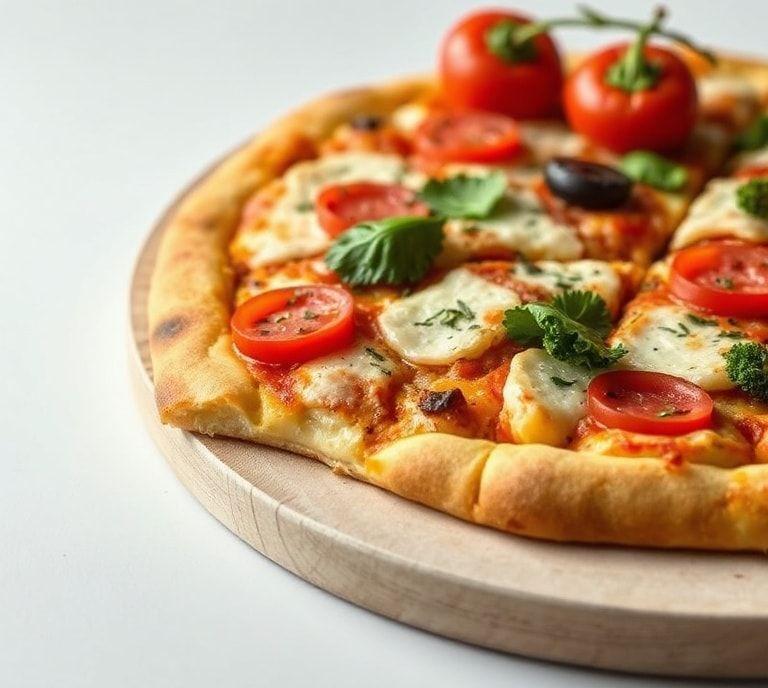
This vegetarian pizza recipe is simple yet bursting with flavors, perfect for a cozy evening or even impressing a guest (or two). It’s all about layering fresh ingredients and letting the oven work its magic. The balance between the earthiness of the veggies and the richness of the cheese is key.
Ingredients Needed
- Pizza dough (store-bought or homemade): The base is the foundation of the whole pizza. You can go for a quick and easy store-bought dough or, if you’re feeling a little adventurous, homemade dough is always worth the extra effort.
- Olive oil: Used to brush the crust and give it a golden, crispy texture. The slight bitterness of olive oil pairs beautifully with the other ingredients.
- Tomato sauce: I always prefer a simple marinara, made from fresh tomatoes, garlic, and a dash of Italian herbs. It’s light, fresh, and allows the vegetables to shine.
- Mozzarella cheese: A good-quality mozzarella, preferably fresh, creates that dreamy stretch when you take a bite. It’s the heart of any pizza, adding creaminess and depth.
- Red onion: Thinly sliced, it provides a sweet and tangy bite that cuts through the richness of the cheese.
- Bell peppers: I love using a combination of red, yellow, and green peppers for color and sweetness. They caramelize beautifully when baked and add texture to each slice.
- Mushrooms: I prefer cremini mushrooms for their earthiness, but you can use any kind you like. They give the pizza that savory depth.
- Spinach: Fresh spinach adds a burst of color and a slight earthy bitterness that contrasts well with the sweetness of the peppers and onions.
- Olives: Black olives (or Kalamata olives if you like a stronger flavor) lend a briny, umami note that’s essential in any Mediterranean-inspired dish.
- Fresh basil leaves: A handful of fresh basil added after baking gives the pizza a fresh, herby finish.
- Red pepper flakes: For a little heat, if you like a touch of spice.
Cooking Instructions
Making pizza at home is simpler than it sounds, and once you get the hang of it, you’ll never want to order takeout again.
- Preheat the oven: Start by preheating your oven to 475°F (245°C). If you have a pizza stone, that’s great! Place it in the oven while it preheats to get the best crispy crust.
- Prepare the dough: Roll out your pizza dough on a floured surface. If you’re using store-bought dough, it usually comes with instructions on how to shape it. Aim for a thin but sturdy base, as it will support all those toppings.
- Assemble the pizza: Brush the dough lightly with olive oil, then spread your tomato sauce evenly, leaving a small border around the edges for the crust. Sprinkle a generous layer of mozzarella over the sauce, followed by your veggies-onions, peppers, mushrooms, spinach, and olives. Don’t overcrowd it; the veggies will shrink and release moisture while cooking, so give them room to breathe.
- Bake: Slide your pizza onto the preheated pizza stone or a baking sheet. Bake for about 10-12 minutes, or until the crust is golden brown and the cheese is bubbling and slightly browned on top.
- Add basil and serve: Once it’s out of the oven, add fresh basil leaves on top. Drizzle a tiny bit of olive oil over the finished pizza for extra flavor, if you like.
Ingredient Science Spotlight
Let’s talk about the science behind some of the ingredients. Take mozzarella, for example. It’s the classic pizza cheese because it has high moisture content, which helps it melt beautifully and gives that iconic stretchy pull when you take a bite. The fat in mozzarella also carries the flavor of the other ingredients, making each bite richer and more satisfying.
The dough, on the other hand, is a bit of magic in itself. When you combine flour, water, yeast, and salt, something special happens in the oven. The yeast ferments the sugars in the dough, producing carbon dioxide gas, which makes the dough rise and creates a soft, airy texture in the crust. The high heat of the oven causes this gas to expand, making the crust puff up and turn golden brown.
And then there’s spinach, a deceptively simple ingredient. It might look like just a garnish, but when spinach is baked, it wilts and softens, releasing its earthy, slightly bitter flavor. That bitterness is an important contrast to the sweetness of the peppers and the richness of the cheese.
Expert Tips
- Use room-temperature dough: If you’re using store-bought dough, let it come to room temperature before you try to roll it out. Cold dough is much harder to stretch and shape.
- Don’t overload on sauce: A thin layer of sauce is all you need. Too much can make the pizza soggy, especially with all the veggies that release moisture while cooking.
- Caramelize the onions first: If you want to take the flavor to the next level, caramelize the onions in a little olive oil before adding them to the pizza. The sweetness that develops during the cooking process makes a huge difference.
- Pre-cook watery veggies: Some veggies, like mushrooms and zucchini, release a lot of water when baked. To avoid a soggy crust, consider sautéing them lightly before adding them to your pizza.
Recipe Variations
- Vegan Version: Skip the mozzarella and opt for a vegan cheese or nutritional yeast for a cheesy flavor. You can also add a drizzle of olive oil or cashew cream for richness.
- Spicy Kick: Add some sliced fresh jalapeños or drizzle chili oil over the pizza before baking for an extra kick of heat.
- Gluten-Free Option: Use a gluten-free pizza crust (there are plenty of good store-bought options) to make the recipe accessible for those with dietary restrictions.
- Add a Protein: Craving something heartier? Top your veggie pizza with roasted chickpeas, grilled tofu, or even some veggie sausage for a protein boost.
- Herb-Infused Crust: For a more fragrant crust, mix some dried oregano, thyme, or garlic powder directly into the dough or brush it on top with olive oil before baking.
Final Words
Making pizza at home can feel like a creative adventure. With a few simple ingredients, you can craft a dish that’s uniquely yours-tailored to your tastes, textures, and flavors. Whether you follow this vegetarian recipe to the letter or add your own spin, the joy comes in experimenting and tasting along the way.
There’s a certain kind of magic that happens when you pull a homemade pizza out of the oven, the cheese bubbling and the crust perfectly crispy. It’s comfort food, but with a personal touch.
FAQs
What Are Some Common Vegetables Used In A Vegetarian Pizza Recipe?
Common vegetables used in vegetarian pizza recipes include bell peppers, onions, mushrooms, tomatoes, spinach, zucchini, olives, artichokes, and eggplant. These vegetables add a variety of textures and flavors, making the pizza both delicious and nutritious. You can also experiment with seasonal vegetables to customize your pizza to your taste.
Can I Make A Vegetarian Pizza With A Gluten-free Crust?
Yes, you can make a vegetarian pizza with a gluten-free crust. There are many store-bought gluten-free pizza crusts available, or you can make your own using gluten-free flour blends. Be sure to choose a gluten-free pizza crust that pairs well with your choice of vegetables and toppings for the best texture and flavor.
What Are Some Vegetarian Cheese Alternatives For Pizza?
Vegetarian cheese alternatives for pizza include plant-based cheeses made from ingredients like cashews, almonds, soy, coconut, or rice. These cheeses are typically dairy-free and can provide similar textures and flavors to traditional cheese. Popular brands like Daiya, Follow Your Heart, and Violife offer dairy-free mozzarella that melts well and pairs perfectly with a variety of vegetable toppings.