Plov is one of those dishes that holds a special place in my heart. It’s not just a meal; it’s a journey into rich history, culture, and the kind of comfort that wraps around you like a warm blanket on a cold day. Growing up in a place where food traditions were as much about storytelling as about eating, I’ve come to realize that food is more than fuel-it’s a reflection of the people who make it and the stories they tell.
When you think of plov, your mind might instantly wander to the steaming bowls of rice, tender meat, and fragrant spices that you’ve encountered in Eastern Europe or Central Asia. While the meat versions are more traditional, today, we’re diving into a vegetarian rendition of this classic. It’s vibrant, hearty, and brimming with flavor, proving that you don’t need meat to make a dish feel like a celebration.
This vegetarian plov is a perfect way to introduce you to the essence of the dish while keeping things light and fresh. It’s the kind of meal that feels hearty enough for a family gathering but simple enough for a cozy weeknight dinner. Trust me, even non-vegetarians will be reaching for seconds.
Plov Vegetarian Recipe
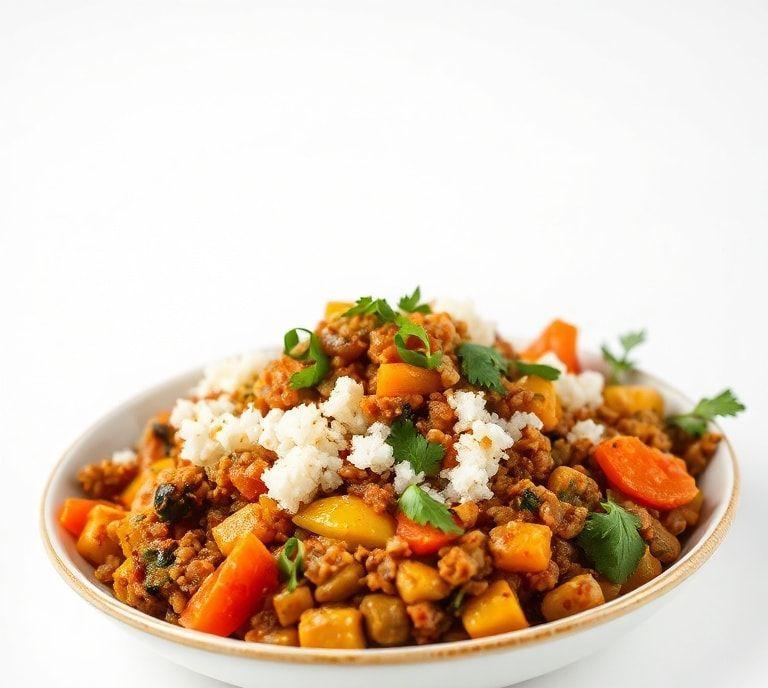
The beauty of this vegetarian plov lies in its simplicity. It takes just a few everyday ingredients, but the magic is in how they come together. Each component adds its own layer of depth, creating a dish that’s comforting, flavorful, and filling without feeling overly heavy. Imagine golden rice infused with rich, earthy spices, vegetables that add crunch and sweetness, and a drizzle of fragrant oil that pulls it all together.
Ingredients Needed
- 2 tablespoons vegetable oil (for sautéing)
- 1 large onion, thinly sliced
- 2 large carrots, julienned or sliced thinly (This adds that beautiful crunch and sweetness.)
- 3 cloves garlic, minced (The foundation of so many great dishes-garlic always brings depth!)
- 1 ½ cups long-grain rice (Basmati or jasmine works best here; their fragrant qualities are perfect for plov.)
- 1 ½ cups vegetable broth (To give the rice that extra punch of flavor.)
- 1 teaspoon cumin seeds (This is where the magic happens. You’ll know plov is near when the cumin starts to perfume the air.)
- 1 teaspoon paprika (This brings a smokiness to the dish.)
- 1 teaspoon ground turmeric (For the stunning golden color and subtle earthy flavor.)
- Salt to taste (Don’t forget this! Seasoning is everything.)
- Black pepper to taste (Freshly ground, if you have it-there’s just something about freshly ground pepper.)
- 1/2 cup frozen peas (They add a pop of color and a burst of sweetness.)
- 1/4 cup fresh herbs for garnish (Chopped cilantro or parsley works best.)
Cooking Instructions
- Prep the Ingredients: Start by rinsing your rice under cold water to remove excess starch-this will keep your rice fluffy. Then, chop the onions, carrots, and garlic. Set everything aside and gather your spices.
- Sauté the Vegetables: In a large, heavy-bottomed pot or Dutch oven, heat the vegetable oil over medium heat. Add the sliced onions and sauté them for about 5 minutes until they soften and become translucent. Stir in the carrots and garlic, cooking for another 3-4 minutes. You want the carrots to soften but still retain some bite.
- Add the Spices: Now comes the fun part! Toss in the cumin seeds, paprika, and turmeric. Stir everything well to coat the vegetables in the spices. This is where your kitchen will start smelling like heaven-spices cooking in oil are one of the most comforting scents.
- Add the Rice and Broth: Stir in the rinsed rice, coating the grains with the spices and oil. Add the vegetable broth, bring everything to a simmer, and then reduce the heat to low. Cover the pot tightly with a lid and let it cook for about 20 minutes. You want the rice to absorb all the liquid and become tender.
- Finish it Off: After the rice has cooked, fluff it gently with a fork. Stir in the frozen peas and let them heat through. Add salt and black pepper to taste. If you like a bit of extra richness, drizzle a touch of olive oil over the rice right before serving.
- Serve: Garnish with fresh herbs like cilantro or parsley. The green herbs add a fresh contrast to the warm, golden rice.
Ingredient Science Spotlight
You know how some ingredients just seem to make a dish come alive? That’s the magic of cumin, turmeric, and rice. The cumin seeds release oils when sautéed, infusing the dish with their deep, earthy flavor, which pairs beautifully with the subtle sweetness of the carrots. Turmeric does more than color the rice-it contains curcumin, a compound with anti-inflammatory properties, which is a nice bonus to all the flavor you’re already getting.
Rice, on the other hand, is fascinating in how it behaves. The long-grain variety-like basmati or jasmine-has a natural fragrance and a more delicate texture than other types, which is ideal for a pilaf-style dish. When cooked in broth, the rice absorbs all that flavor, becoming the perfect vessel to carry the spices and vegetables.
Expert Tips
- Toast the Rice: Before adding the broth, try toasting the rice in the oil and spices for a few minutes. It adds a nutty depth and keeps the grains separate when cooked.
- Don’t Skip the Broth: The vegetable broth is key. It adds so much more flavor than just water, and since plov is all about infusing flavor into the rice, it’s an essential ingredient.
- Use a Tight-Fitting Lid: When simmering the rice, make sure the lid is on tightly. This traps the steam, ensuring the rice cooks evenly and remains tender.
- Rest the Dish: Once your plov is done, let it rest for 5 minutes before serving. This gives the flavors time to settle and meld, and the rice firms up, making it easier to serve.
Recipe Variations
- Add Nuts: Toasted almonds or cashews can be mixed in for a delightful crunch. They add texture and a subtle richness that complements the vegetables.
- Change the Vegetables: While carrots and peas are classic, you can experiment with adding mushrooms for an earthy flavor, bell peppers for sweetness, or even spinach for an extra boost of greens.
- Spicy Kick: If you love a bit of heat, throw in a chopped chili pepper or sprinkle a bit of cayenne or chili powder when you add the spices.
- Make it a One-Pot Meal: Toss in some cubed tofu or chickpeas to add protein, making it a full, satisfying meal. If you’re a fan of texture, roasted pumpkin or sweet potatoes would pair beautifully with the rice.
Final Words
Vegetarian plov is one of those dishes that really proves how simple ingredients, when paired thoughtfully, can create something incredibly satisfying. Each bite is a reminder that you don’t always need meat to make a dish hearty and comforting. This recipe is versatile, easy to make, and perfect for a variety of occasions. Whether you’re cooking for yourself or sharing a meal with others, there’s something universally comforting about a bowl of plov.
FAQs
What Is Plov, And How Can It Be Made Vegetarian?
Plov, also known as pilaf, is a traditional dish made primarily from rice, vegetables, and sometimes meat, often flavored with spices. A vegetarian version of plov excludes meat and can be made using ingredients such as vegetables, mushrooms, legumes, and various spices like cumin, turmeric, and paprika. Instead of meat, you can use ingredients like carrots, onions, garlic, and chickpeas to create a rich, flavorful dish.
What Are Some Common Vegetables Used In A Vegetarian Plov Recipe?
Common vegetables used in vegetarian plov recipes include carrots, onions, garlic, and bell peppers. Root vegetables like potatoes or parsnips can also be included for added texture. Mushrooms are often added for their earthy flavor, and peas or chickpeas provide additional protein, making the dish more filling.
Can I Substitute The Rice In A Vegetarian Plov Recipe For Another Grain?
Yes, you can substitute the rice in a vegetarian plov with other grains such as quinoa, bulgur, or couscous. These grains have different textures and flavors but still absorb the spices and broth, providing a delicious alternative to the traditional rice. Make sure to adjust cooking times and liquid quantities based on the grain you choose.