
It’s funny how some recipes have the power to take us back to a particular place or moment in time. For me, a hearty potato stew has always been one of those comfort foods that feels like a warm hug on a cold day. Growing up, my grandmother used to make her version of potato stew every Sunday, filling the house with a tantalizing smell that meant it was time for family to gather around the table. The beauty of potato stew lies not just in its simplicity, but in how it can be customized and adjusted to fit every taste.
Over the years, I’ve made my own version of this dish-mostly vegetarian, with a touch of my grandmother’s wisdom in every stir of the pot. Whether you’re looking to make a cozy meal for yourself or you’re planning to feed a crowd, this recipe has the perfect balance of comfort, nutrition, and flavor. No matter how many variations I try, it always brings me back to the essence of those Sunday afternoons.
So, if you’re looking for a nourishing meal that’s easy to make and sure to satisfy, let me walk you through my take on a Potato Stew. I’ve also thrown in a few personal tips and tricks that I’ve learned over the years. Trust me, you’ll want to save this one!
Potato Stew Vegetarian Recipe
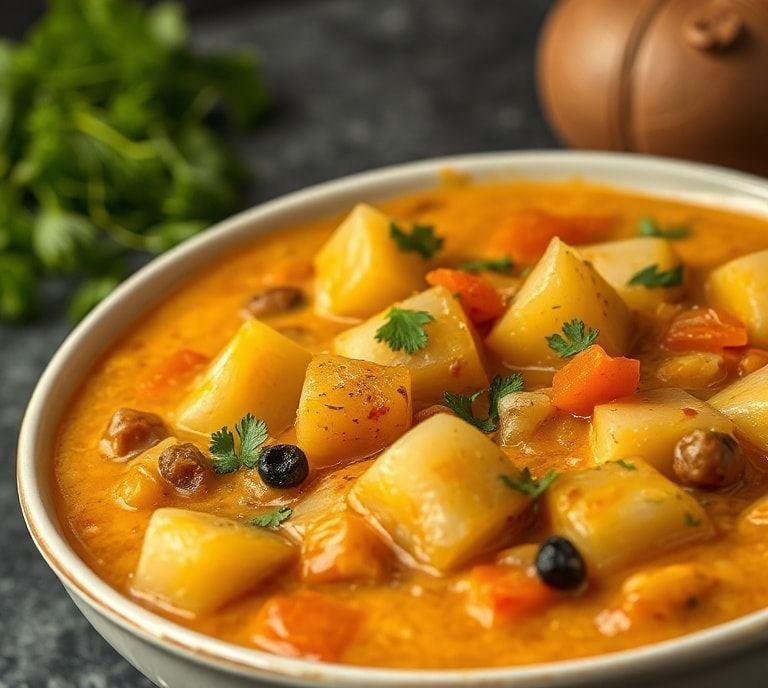
Now, before you start thinking a potato stew is just a pile of boiled potatoes, let me tell you-this is anything but bland! My version of potato stew is a rich, savory dish that combines hearty vegetables, fresh herbs, and a medley of spices to create something magical. And the best part? It’s completely vegetarian, but still packed with enough flavor to make you forget about any meat you might be missing.
I love that it’s one of those dishes that feels as though it’s made to be enjoyed on a lazy Sunday afternoon, but you can easily throw it together for a weeknight dinner. The key to making this stew shine is getting the balance of flavors right and allowing it to simmer long enough for everything to meld together. So, let’s dive into what you’ll need to make this simple yet satisfying stew.
Ingredients Needed
This recipe keeps things simple with pantry staples and a few fresh ingredients. Here’s what you’ll need:
- 6 medium potatoes (I prefer Yukon Golds, but Russets work great too)
- 2 tablespoons olive oil
- 1 large onion, diced
- 2 cloves garlic, minced
- 3 carrots, peeled and sliced
- 2 celery stalks, chopped
- 4 cups vegetable broth (low-sodium preferred)
- 1 cup milk (or dairy-free milk like almond or oat if you want to keep it vegan)
- 1 teaspoon dried thyme
- 1 teaspoon dried rosemary
- 1 bay leaf
- Salt and pepper, to taste
- 1/2 cup frozen peas (optional, but they add a lovely pop of color and sweetness)
- Chopped fresh parsley for garnish (optional, but adds a refreshing brightness)
These ingredients are the building blocks of the stew, and from here, you can easily customize the flavors. The potatoes, of course, are the star of the show, but the onion, garlic, and herbs really bring depth to the dish.
Cooking Instructions
Here’s how you’ll put it all together:
- Prep the veggies: Start by peeling and dicing your potatoes. I like to cut them into bite-sized cubes, about 1-inch in size. It helps them cook evenly and gives the stew a nice texture. Chop the onion, garlic, carrots, and celery, and set them aside.
- Sauté the aromatics: Heat the olive oil in a large pot or Dutch oven over medium heat. Once it’s hot, add the onion and garlic, sautéing for about 2-3 minutes until they soften and become fragrant. This step is essential because it builds the foundation of flavor for your stew.
- Add the veggies: Toss in the carrots and celery and sauté for another 5 minutes, letting the veggies soften a little.
- Simmer the stew: Add the diced potatoes, vegetable broth, milk, thyme, rosemary, and bay leaf. Bring everything to a gentle boil, then reduce the heat to low and let it simmer uncovered for about 25-30 minutes. You want the potatoes to be tender but not falling apart.
- Finish and season: Once the potatoes are tender, remove the bay leaf and stir in the frozen peas. Season with salt and pepper to taste. If you’re feeling adventurous, a squeeze of lemon juice at this point adds a nice touch of brightness.
- Garnish and serve: Ladle the stew into bowls and top with a sprinkle of chopped fresh parsley. The colors alone make this stew look as good as it tastes.
Ingredient Science Spotlight
Let’s take a moment to talk about why some of these ingredients work so well together. For example, the potatoes in this stew act as a natural thickener. As they cook and release starches into the broth, they give the stew its creamy texture without the need for any heavy cream. The carrots and celery contribute a slight sweetness and crunch, which balances the earthiness of the potatoes. Thyme and rosemary bring a warm, herbal flavor that elevates the dish, while the bay leaf adds an almost mysterious depth.
But one of my favorite things about this stew is how flexible it is. The vegetables can be swapped out depending on what you have on hand-sweet potatoes, parsnips, or even cauliflower can all work beautifully. And the seasonings are adaptable, too. Want to spice it up? A dash of smoked paprika or cumin can transform the entire dish.
Expert Tips
- Don’t overcook the potatoes: You want your potatoes to hold their shape, so be sure to test them with a fork at the 25-minute mark. If they’re tender but still firm, it’s time to remove them from the heat.
- For a creamier texture: If you prefer a creamier stew, you can blend part of the soup with an immersion blender, leaving the rest of the potatoes and vegetables whole. This adds a velvety richness without any cream.
- Make it ahead: Like many stews, this one tastes even better the next day. The flavors have time to deepen and meld, making leftovers something to look forward to.
- Flavor boosts: For an extra layer of flavor, try adding a spoonful of Dijon mustard or a few splashes of soy sauce or tamari. These ingredients can add a savory umami note that rounds out the flavors beautifully.
Recipe Variations
This recipe is incredibly versatile. Here are a few variations you can try based on your preferences or what you have available in your kitchen:
- Add some greens: Kale, spinach, or chard can easily be thrown into the stew during the last 10 minutes of cooking for a burst of color and nutrition.
- Turn it into a chowder: If you like your stew with a bit more creaminess, swap out the vegetable broth for a can of coconut milk or heavy cream.
- Spice it up: For a more exciting twist, add some chili flakes or a small diced jalapeño when sautéing the onions and garlic. This will give the stew a subtle heat without overwhelming the other flavors.
Final Words
I think one of the reasons I always return to potato stew is that it’s more than just a meal; it’s an experience. The process of chopping, simmering, and waiting for the stew to come together is like a meditation in itself. And once it’s done, the flavors are so satisfying-it’s hard not to feel a deep sense of contentment after a bowl.
Whether you’re making this for yourself on a quiet evening or sharing it with friends and family, this stew is a reminder that the simplest dishes can bring the most joy. It’s nourishing, comforting, and full of memories.
FAQs
What Are The Essential Ingredients For A Potato Stew Vegetarian Recipe?
The essential ingredients for a basic vegetarian potato stew include potatoes, carrots, onions, celery, garlic, vegetable broth, olive oil, and herbs such as thyme and rosemary. You can also add green beans, peas, or corn for extra flavor and texture.
Can I Make A Potato Stew Vegetarian Recipe Gluten-free?
Yes, potato stew is naturally gluten-free as long as you avoid using any ingredients that contain gluten. Ensure that the vegetable broth you use is gluten-free and substitute any thickening agents with gluten-free alternatives like cornstarch or arrowroot powder if needed.
How Can I Make The Potato Stew Vegetarian Recipe Creamy?
To make the potato stew creamy, you can blend part of the potatoes and vegetables with a bit of the broth to create a smooth texture. Alternatively, add coconut milk, cashew cream, or a plant-based cream for extra richness without compromising the vegetarian nature of the dish.