There’s something incredibly satisfying about a homemade meal, especially when it’s nutritious, hearty, and packed with flavor. I remember the first time I tried making protein-packed pasta. It was a rainy Sunday afternoon, and I was craving something comforting but still healthy. I’d seen a few recipes online, but I wanted something that combined my love for pasta with the nutritional boost of protein. After a little experimenting in the kitchen, I came up with a recipe that not only tasted amazing but also kept me full for hours without the usual pasta crash. That’s how this protein pasta vegetarian recipe was born. It’s a simple, yet delicious dish that combines the richness of vegetables, the heartiness of pasta, and the muscle-repairing goodness of protein. Perfect for a post-workout meal, a cozy dinner, or even meal prepping for the week.
So, let’s dive into the world of protein pasta, where veggies and nutrition take center stage.
Protein Pasta Vegetarian Recipe
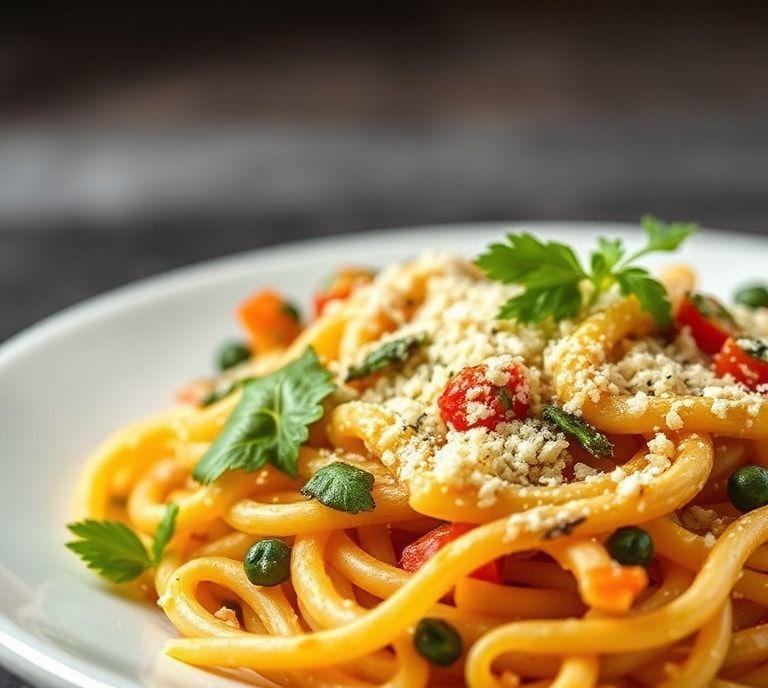
This protein pasta recipe is packed with all the goodness you need in one bowl. With vibrant veggies, hearty pasta, and a mix of plant-based protein sources, it’s a complete, satisfying meal. Here’s how you can whip it up in your own kitchen.
Ingredients Needed
- Protein Pasta (200g): You can find this at most health food stores or use chickpea, lentil, or edamame pasta if you prefer a gluten-free or legume-based option. These pastas are naturally high in protein and fiber.
- Olive Oil (2 tbsp): Adds richness and helps sauté the veggies.
- Garlic (3 cloves, minced): This brings an aromatic depth to the dish.
- Cherry Tomatoes (1 cup, halved): Fresh and juicy, they add a burst of flavor and a pop of color.
- Zucchini (1 medium, diced): Zucchini is mild yet satisfying and blends well with the other flavors.
- Spinach (2 cups, fresh): You’ll want to get the fresh variety for a vibrant, nutrient-packed base.
- Chickpeas (1 can, drained and rinsed): The star of the protein show! They provide a lovely texture and hearty feel.
- Red Onion (½, thinly sliced): Sweet and slightly tangy, red onion adds a slight crunch.
- Lemon (1, juiced): Freshly squeezed for a citrusy zing that balances out the richness.
- Fresh Basil (a handful, chopped): Fresh herbs are a game-changer. They add brightness and a bit of earthy fragrance.
- Salt and Pepper (to taste): Simple, but crucial for flavor enhancement.
- Parmesan (optional): If you’re not strictly vegan, a sprinkle of fresh parmesan can really elevate the dish.
Cooking Instructions
- Cook the Pasta: Begin by boiling a pot of salted water. Add your protein pasta and cook according to package instructions, usually about 8-10 minutes for al dente. While the pasta is cooking, you can start preparing the veggies.
- Sauté the Garlic & Onions: In a large pan, heat olive oil over medium heat. Add the minced garlic and sliced red onion. Sauté for about 2-3 minutes until they start to soften and release their fragrance. Don’t rush this step; the garlic and onion form the flavor base for the whole dish.
- Add the Veggies: Toss in the diced zucchini and halved cherry tomatoes. Stir well to combine. Cook for another 5-7 minutes until the vegetables are soft but still retain their shape and color. The tomatoes will break down slightly, creating a lovely sauce-like consistency.
- Stir in Spinach and Chickpeas: Once the veggies are cooked, add the spinach to the pan and stir it until it wilts down. Then, add the drained chickpeas. Stir everything to combine, letting the chickpeas heat through. They’ll soak up all the delicious flavors from the garlic, tomatoes, and olive oil.
- Combine with the Pasta: By now, your pasta should be ready. Drain it, reserving a cup of pasta water for later. Add the cooked pasta to the veggie mixture, tossing everything together gently. If it looks a bit dry, add a little bit of the reserved pasta water to loosen things up.
- Add Lemon & Season: Squeeze the juice of one lemon over the pasta and toss in the chopped fresh basil. Season generously with salt and pepper to taste.
- Serve and Enjoy: Plate the pasta, and if you’d like, sprinkle some grated parmesan on top for a rich finish. Serve it hot, enjoy the vibrant colors, and feel good knowing it’s packed with protein, fiber, and all the nutrients you need!
Ingredient Science Spotlight
Let’s take a moment to highlight a few of the ingredients that really make this dish stand out, especially in terms of their nutritional value.
- Protein Pasta: Unlike regular pasta made from refined flour, protein pasta is typically made from chickpeas, lentils, or edamame beans. These alternatives are rich in plant-based proteins, which are essential for muscle repair, growth, and overall bodily functions. They’re also a great source of fiber, helping to maintain digestive health.
- Chickpeas: Chickpeas are more than just a hearty addition to your dish. They’re an excellent source of plant-based protein, fiber, and key vitamins and minerals like iron and folate. When combined with the protein pasta, chickpeas provide a double whammy of protein, making this meal perfect for anyone who needs a post-workout recovery meal or just a filling dinner.
- Spinach: This leafy green is low in calories but packed with nutrients. It’s a good source of iron, calcium, magnesium, and vitamins A, C, and K. Iron is particularly important for those following a vegetarian or vegan diet, as it helps transport oxygen throughout the body.
- Olive Oil: Olive oil is a staple in Mediterranean diets and is known for its heart-healthy fats. It’s a rich source of monounsaturated fats, which can help lower bad cholesterol levels. Plus, it contains powerful antioxidants that help reduce inflammation and protect cells from oxidative damage.
Expert Tips
- Don’t Overcook the Veggies: A common mistake is overcooking the vegetables, which can lead to a mushy texture and lost nutrients. Aim for tender veggies with a bit of bite-this will keep their flavors bright and their nutrients intact.
- Make It a One-Pan Meal: If you want to simplify cleanup, cook everything in one large pan. Just make sure the pan is big enough to handle the pasta and veggies together.
- Use Fresh Basil: Fresh herbs are a game-changer when it comes to flavor. Dried herbs can be convenient, but they don’t provide the same punch as fresh basil or parsley. Plus, fresh basil adds an aromatic lift that complements the richness of the olive oil.
- Boost the Protein: If you want even more protein, consider adding some sautéed tofu or tempeh to the mix. You can also sprinkle a few hemp seeds or chia seeds on top for extra texture and protein.
- Meal Prep-Friendly: This dish is perfect for meal prepping. The pasta, chickpeas, and veggies all store well in the fridge for a few days, so you can make a big batch and have lunch or dinner ready to go.
Recipe Variations
While this recipe is delicious as is, there’s always room for customization. Here are a few ideas:
- Add Roasted Vegetables: You can roast your zucchini, tomatoes, and even add things like bell peppers or eggplant. Roasting them in olive oil with a sprinkle of salt and pepper brings out their natural sweetness and adds a smoky flavor.
- Switch Up the Protein Source: If you prefer a non-plant-based protein source, you could add grilled chicken, shrimp, or even salmon. These would pair beautifully with the pasta and veggies.
- Spice It Up: If you like a little heat, try adding red pepper flakes to the olive oil while sautéing the garlic and onions. You could also experiment with a dash of smoked paprika or even curry powder for a more unique twist.
- Vegan Option: For a completely vegan meal, skip the parmesan and opt for nutritional yeast. It has a cheesy flavor and is packed with B-vitamins, making it a great plant-based alternative.
Final Words
This protein pasta vegetarian recipe is more than just a meal-it’s an experience. It’s a reflection of how we can take the comfort of pasta and elevate it with nutrition-packed ingredients that fuel our bodies. Whether you’re a vegetarian, a gym-goer looking to boost your protein intake, or simply someone who loves a healthy, tasty meal, this recipe hits all the right notes. It’s easy to make, flexible enough to adapt to your preferences, and it brings a little joy to your kitchen every time you cook it.
FAQs
What Are The Main Ingredients In A Protein Pasta Vegetarian Recipe?
The main ingredients in a protein pasta vegetarian recipe typically include protein-enriched pasta (made from chickpeas, lentils, or quinoa), fresh vegetables like spinach, bell peppers, and tomatoes, along with plant-based protein sources such as tofu, tempeh, or beans. Additional ingredients might include olive oil, garlic, herbs, and spices for flavor, as well as a plant-based sauce like tomato or pesto.
How Do I Increase The Protein Content In A Vegetarian Pasta Dish?
To increase the protein content in a vegetarian pasta dish, you can use pasta made from high-protein grains like chickpeas, lentils, or quinoa. Additionally, you can add protein-rich vegetables such as broccoli or edamame, and include plant-based protein sources like tofu, tempeh, seitan, or legumes (e.g., chickpeas, black beans, or lentils). A sprinkle of nutritional yeast or a drizzle of tahini can also add extra protein.
Is Protein Pasta Suitable For People Following A Gluten-free Diet?
Yes, protein pasta can be suitable for people following a gluten-free diet, depending on the type of protein pasta used. Many protein pasta options are made from gluten-free ingredients like chickpeas, lentils, or rice flour, which provide both high protein content and a gluten-free alternative to traditional wheat-based pasta. Always check the packaging to ensure that the pasta is certified gluten-free, especially if you have celiac disease or a severe gluten intolerance.