Have you ever experienced the sheer comfort of a hearty, warm curry that envelops you in its rich, spicy aroma, like a blanket on a cold day? There’s something about Punjabi cuisine-particularly its vegetarian curries-that is so deeply comforting yet vibrant, brimming with flavors that tell stories of tradition and culture. These dishes are a true reflection of the Punjab region’s love for bold flavors, spices, and the joy of feeding family and friends.
Growing up, I remember my mom making the most incredible vegetarian curry on Sundays. The whole house would smell like a mix of roasted spices and simmering tomatoes, and we’d all sit around the table eagerly waiting to dig in. It’s funny how certain smells can transport you back in time, isn’t it? That’s why I love sharing recipes that remind me of home, and today, I’m excited to share one of my absolute favorites-Punjabi vegetarian curry.
This isn’t just any curry. It’s a vibrant, satisfying dish that will make you fall in love with plant-based eating all over again. It’s the kind of recipe that can easily become the centerpiece of a meal, no matter the occasion, whether you’re having a family dinner, entertaining guests, or just treating yourself to something comforting.
Punjabi Curry Vegetarian Recipe
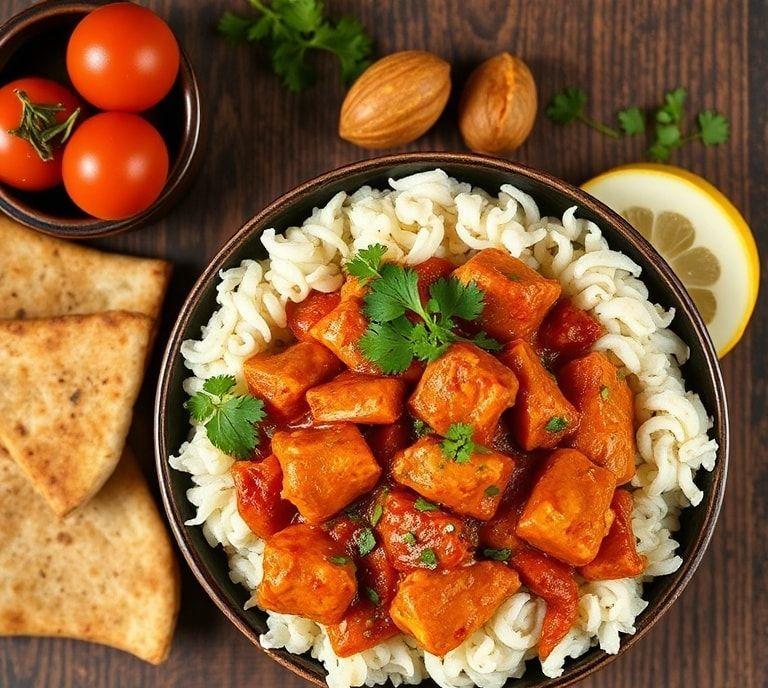
This curry is a delightful blend of fresh vegetables and spices. The beauty of Punjabi curries is how they can take simple ingredients and transform them into something rich and complex. Whether you’re a seasoned cook or a beginner, this recipe is approachable and can easily be adjusted to suit your tastes. So, let’s dive in!
Ingredients Needed
Now, you may not have every spice in your pantry right this moment, but trust me-once you stock up on these essentials, you’ll be set to create not just this curry, but countless other dishes. Here’s what you’ll need:
- Mixed Vegetables: I love using a combination of potatoes, peas, carrots, and cauliflower. These vegetables are hearty and absorb the spices beautifully, but feel free to mix it up with whatever’s in season or what you have in the fridge.
- Onion: About 1 large onion, finely chopped, forms the base of the curry. It’s the first thing that sizzles in the pan and sets the flavor tone for everything that follows.
- Tomatoes: 2 large tomatoes, chopped. They add tang and sweetness, giving the curry that balanced depth of flavor.
- Ginger-garlic paste: This is the cornerstone of most Indian cooking, providing a fragrant, pungent kick. You can make it fresh or use the pre-made paste if you’re in a rush.
-
Spices
- Cumin seeds (1 tsp): Adds a lovely earthiness.
- Turmeric (1/2 tsp): That golden color and warm, subtle bitterness.
- Coriander powder (1 tsp): Lightly citrusy, it adds a fresh punch.
- Garam masala (1 tsp): A magical spice blend that’ll tie everything together, with notes of cinnamon, cloves, and cardamom.
- Chili powder (1/2 tsp): Adjust this depending on how spicy you like your curry.
- Fresh cilantro (coriander leaves): A handful of chopped cilantro to garnish, bringing brightness and freshness to the final dish.
- Oil: For frying, ideally mustard oil or vegetable oil.
- Salt and water: To taste and to adjust consistency.
Cooking Instructions
This recipe is all about building layers of flavor, so while the steps are simple, the process really lets you embrace the art of cooking.
- Prepare the Vegetables: Start by peeling and chopping your veggies. Potatoes and carrots should be cut into bite-sized cubes, and cauliflower broken into florets. Set them aside.
- Heat the Oil: In a large pot or deep pan, heat 2 tablespoons of oil over medium heat. Once it’s hot, add the cumin seeds and let them sizzle until fragrant (just 10-15 seconds).
- Fry the Onions: Add the chopped onions and sauté them until they turn golden brown. Don’t rush this step-the onions need to caramelize to bring out their sweetness, which will form the base of your curry’s flavor.
- Add Ginger-Garlic Paste: Stir in the ginger-garlic paste and cook for a minute until the raw smell disappears. You’ll notice it starts to become fragrant-this is the magic happening.
- Spice It Up: Sprinkle in your turmeric, coriander powder, chili powder, and salt. Stir everything to coat the onions and paste in the spices, and cook for another minute or so to let the spices bloom.
- Add Tomatoes: Toss in the chopped tomatoes and cook until they break down and soften into a thick paste, about 5-7 minutes. You want the oil to start separating from the mixture.
- Cook the Vegetables: Now add your chopped vegetables to the pot. Stir them well to coat them in the spiced mixture, then cover and cook for 10 minutes, allowing the vegetables to soften slightly.
- Simmer: Pour in about 1-1.5 cups of water, enough to cover the vegetables halfway. Bring to a boil, then reduce the heat and let it simmer for 20 minutes, or until the vegetables are tender and the curry has thickened.
- Finish with Garam Masala: Stir in the garam masala, and let it simmer for another 2-3 minutes. This is where the curry transforms-garam masala adds that aromatic depth that ties all the flavors together.
- Garnish: Remove from heat and sprinkle with freshly chopped cilantro for a burst of color and flavor.
Ingredient Science Spotlight
Let’s talk about the spices-because the beauty of Punjabi curry lies in the science behind them.
- Turmeric: Not only does it add that vibrant golden hue, but it contains curcumin, a compound with anti-inflammatory properties. Plus, it helps bring out the flavor of the other spices, making everything taste deeper and more complex.
- Cumin Seeds: These tiny seeds are packed with essential oils that release their full flavor when roasted or fried. They contain compounds like cuminaldehyde, which gives cumin its signature earthy, warm taste, and is thought to aid digestion.
- Garam Masala: A signature spice blend that varies from family to family, garam masala is typically a mixture of cardamom, cinnamon, cloves, cumin, and black pepper. Each of these spices is known for their health benefits, like boosting metabolism, aiding digestion, and reducing inflammation.
- Cilantro: This fresh herb is not just for garnish! It contains antioxidants and can help detoxify the body. Plus, its citrusy notes provide a refreshing contrast to the richness of the curry.
Expert Tips
- Make It a One-Pot Wonder: You can make this curry even simpler by throwing everything into a pressure cooker or Instant Pot. Just sauté the onions and spices, then add the vegetables, water, and cook on high pressure for 10 minutes.
- Texture Play: For a smoother, more velvety curry, you can blend a portion of the cooked vegetables before adding the garam masala. This adds a creamy texture without the need for dairy.
- Make It Your Own: Feel free to add protein. Paneer cubes, tofu, or chickpeas work beautifully here and will turn the dish into a full meal.
- Adjusting Spice Levels: If you prefer a milder curry, cut back on the chili powder and garam masala. You can always add a dash of cream or yogurt at the end to mellow things out.
Recipe Variations
- Saag Aloo: A variation of this curry could be a saag (spinach) curry with potatoes. Replace some of the mixed veggies with spinach, and cook it down with the other ingredients for a unique flavor profile.
- Methi Aloo: If you’re lucky enough to find fenugreek leaves (methi), toss them into the curry for a slightly bitter flavor that perfectly balances the sweetness of the tomatoes and the richness of the spices.
- Paneer Tikka Curry: For a special twist, grill or pan-fry paneer cubes (coated with spices) and add them to the curry toward the end. This gives you a smoky, grilled flavor that’s irresistible.
Final Words
What I love most about this Punjabi vegetarian curry is how accessible it is. You don’t need to be a master chef to create something this flavorful and satisfying. The recipe is forgiving, allowing you to swap ingredients and experiment while still staying true to that essential, comforting Punjabi flavor.
Curry is about more than just food-it’s an experience, a chance to slow down and savor. It brings people together. Whether it’s a quiet dinner with family or a larger gathering, this curry has the power to make any meal feel like a celebration.
FAQs
What Are The Key Ingredients In A Punjabi Vegetarian Curry?
A traditional Punjabi vegetarian curry typically includes a variety of vegetables such as potatoes, peas, carrots, and cauliflower, along with onions, tomatoes, and garlic. The curry base is often made with a blend of aromatic spices like cumin, coriander, turmeric, garam masala, and red chili powder. Fresh herbs such as cilantro are commonly used for garnish, and the curry may be cooked with yogurt or cream to add richness.
Can I Use Non-dairy Substitutes In A Punjabi Vegetarian Curry Recipe?
Yes, non-dairy substitutes can be used to make the recipe vegan-friendly. Instead of cream, you can use coconut milk, cashew cream, or soy cream to achieve a similar richness and texture. Additionally, if the recipe calls for yogurt, you can replace it with dairy-free alternatives like soy yogurt, almond yogurt, or coconut yogurt. Ensure that the spices and seasonings are adjusted to your taste.
How Can I Make A Punjabi Vegetarian Curry Spicier Or Milder?
To make a Punjabi vegetarian curry spicier, you can increase the amount of red chili powder, fresh green chilies, or add a dash of cayenne pepper. You can also include spicier garam masala or hot paprika. To make the curry milder, reduce the amount of chili powder and garam masala, and incorporate more yogurt or cream to balance the heat. Taste-testing and adjusting the seasoning as you cook will help achieve the desired level of spice.