We’ve all been there-the clock’s ticking, and hunger’s knocking, but you’re just not in the mood for something too elaborate. Sometimes, you just want a quick, satisfying meal that doesn’t demand hours of prep or a massive shopping list. Enter the beauty of simple, homemade vegetarian dishes. The kind that take less than 30 minutes, yet leave you feeling like you’ve enjoyed something wholesome and nourishing.
In the world of vegetarian meals, quick doesn’t have to mean bland, and convenience doesn’t have to sacrifice flavor. This recipe is one of my go-tos on nights when I need something quick but don’t want to compromise on taste or nutrition. With a handful of ingredients and a dash of creativity, you can whip up something that feels just a little bit special. So, let’s dive into this easy vegetarian dinner recipe that promises both ease and flavor!
Quick Dinner Vegetarian Recipe
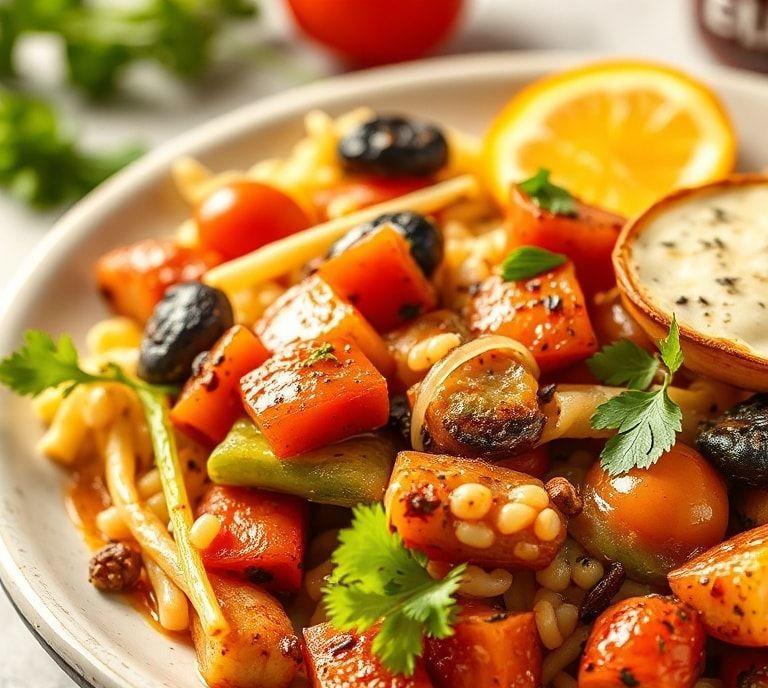
Let’s set the stage: You’ve had a long day, and your energy is running low, but you’re still craving something fresh and vibrant. A vegetarian stir-fry? Perfect. It’s quick, light, and packed with colors and flavors.
This stir-fry recipe is a fantastic balance of vegetables, grains, and a savory sauce that comes together in under 30 minutes. It’s the kind of dish that makes you feel like you’re eating something nourishing without it feeling like a chore to prepare. The star of this dish is the crunchy, caramelized veggies paired with a tangy soy-ginger sauce that hugs each bite.
Ingredients Needed
Here’s what you’ll need to make this flavorful, quick stir-fry:
- 1 cup of cooked rice (or quinoa, if you’re in the mood for something a bit more hearty)
- 1 tablespoon olive oil (or coconut oil for a more tropical flair)
- 1 red bell pepper, thinly sliced
- 1 small zucchini, sliced into half-moons
- 1 cup broccoli florets
- 1 small carrot, julienned
- 1/2 cup snap peas (they add the perfect crunch!)
- 2 cloves garlic, minced
- 2 tablespoons soy sauce (or tamari for a gluten-free option)
- 1 tablespoon sesame oil
- 1 tablespoon rice vinegar (for that tangy kick)
- 1 tablespoon maple syrup (or honey for a more traditional touch)
- 1 teaspoon freshly grated ginger (fresh is key here-don’t skip it)
- Sesame seeds, for garnish (optional but adds that extra touch)
- Green onions, finely sliced (for garnish)
It’s a straightforward list, right? You probably have most of these items in your kitchen already, and if not, they’re easy to find at your local grocery store. You can always mix and match the veggies based on what’s in season or what you’ve got lying around-this recipe is all about flexibility.
Cooking Instructions
Now, for the fun part. It’s all about getting everything to work together in harmony. Here’s how you do it:
- Prep the rice or quinoa: If you haven’t already cooked your grain of choice, start with that. I recommend using leftovers if you’ve got any in the fridge-it makes the process even quicker.
- Heat your oil: Grab a large skillet or wok and place it over medium-high heat. Add your olive or coconut oil, letting it warm up until it shimmers just a bit.
- Add the garlic and ginger: Toss in the garlic and ginger and sauté them for about 30 seconds. You’ll know they’re ready when your kitchen smells like a dream.
- Add the veggies: Begin by adding the tougher vegetables first. Start with the carrots, broccoli, and snap peas, and let them cook for 3-4 minutes, stirring occasionally. Then, toss in the bell pepper, zucchini, and stir-fry everything for another 2-3 minutes. You want the veggies to retain a little crunch, so don’t overcook them.
- Make the sauce: While your veggies are cooking, mix together the soy sauce, sesame oil, rice vinegar, and maple syrup in a small bowl. Taste and adjust as needed. If you like a bit more sweetness, add a touch more maple syrup, or if you prefer it tangier, add more vinegar.
- Combine everything: Once the veggies are tender-crisp, pour the sauce over them and toss to coat everything evenly. Add in your cooked rice or quinoa, and stir until the grains are fully incorporated with the veggies and sauce. Let everything cook together for another 1-2 minutes so the flavors meld.
- Garnish and serve: Spoon everything onto a plate or bowl, and garnish with sesame seeds and fresh green onions.
Ingredient Science Spotlight
You’ve probably heard a lot about the health benefits of vegetables, but let’s take a closer look at some of the star ingredients in this recipe and why they’re so good for you.
- Zucchini: This low-calorie veggie is full of water, making it perfect for hydration. It’s also rich in antioxidants like Vitamin C and beta-carotene, which can help reduce inflammation and support skin health.
- Broccoli: A powerhouse of nutrition, broccoli is packed with fiber, Vitamin K, and folate. It also contains compounds that are thought to have anti-cancer properties. Plus, it adds the perfect crunch to your stir-fry.
- Carrots: With their vibrant orange hue, carrots are rich in beta-carotene, which your body converts into Vitamin A. This nutrient is essential for eye health and immune function.
- Ginger: Ginger is much more than just a flavorful addition-it’s great for digestion. It can help soothe an upset stomach and reduce inflammation, making it a perfect complement to a hearty meal.
Expert Tips
- Use day-old rice: If you’ve got leftover rice in the fridge, this is the time to use it. Day-old rice has a firmer texture that works better in stir-fries than fresh rice, which can get mushy.
- Play with your protein: If you’re craving a little more substance, feel free to toss in some tofu, tempeh, or chickpeas for added protein. Simply pan-fry or bake them beforehand and mix them in towards the end.
- Customize the sauce: If you like it spicier, add a splash of sriracha or a pinch of red pepper flakes to the sauce. The beauty of stir-fries is how easily you can adjust them to your flavor preferences.
- Add more veggies: Feel free to get creative with the veggies you use. Mushrooms, bok choy, or even spinach would work beautifully here. The more variety, the better!
Recipe Variations
- Spicy Peanut Stir-Fry: Add a couple of tablespoons of peanut butter to the sauce mixture and a bit of sriracha for a creamy, spicy twist. You can also sprinkle chopped peanuts on top for extra crunch.
- Mango & Avocado Version: For a fresher, more tropical feel, toss in some cubed mango and avocado just before serving. The sweetness of the mango balances beautifully with the savory flavors.
- Asian-Inspired Noodles: Swap out the rice or quinoa for noodles-either soba, rice noodles, or even spaghetti if that’s all you have in the pantry. Noodles bring a whole new texture and flavor to the dish.
Final Words
Cooking doesn’t always have to be a complicated affair. Some of the best meals come from throwing together ingredients you love, keeping things simple, and focusing on making sure each component shines. This stir-fry recipe is exactly that-a perfect blend of convenience and satisfaction, with room to get creative as you go.
Whether you’re cooking just for yourself after a busy day or preparing a quick dinner for the whole family, this dish ticks all the boxes. It’s fresh, full of flavor, and leaves you feeling good-both in body and mind. Plus, you can always mix it up depending on what you’ve got in the fridge.
FAQs
What Are Some Easy And Quick Vegetarian Dinner Recipes?
Some easy and quick vegetarian dinner recipes include vegetable stir-fries, pasta with marinara sauce, and chickpea salads. These meals require minimal prep and cooking time, often using pantry staples like canned beans, frozen vegetables, and pasta.
Can I Make A Vegetarian Dinner In Under 30 Minutes?
Yes, there are many vegetarian dinner options that can be prepared in under 30 minutes. Dishes like vegetable tacos, quinoa bowls, and tofu stir-fries can be made quickly with ingredients like pre-cooked grains, tofu, or canned vegetables.
What Are Some Ingredients That Are Essential For Quick Vegetarian Dinners?
Essential ingredients for quick vegetarian dinners include canned beans (like black beans or chickpeas), fresh or frozen vegetables, grains like quinoa or rice, pasta, tofu or tempeh, and pre-made sauces or seasonings. These ingredients allow for quick meal assembly and can be used in a variety of dishes.