There’s something about a hearty bowl of chili that feels like home. Whether it’s the comforting warmth on a chilly day or the rich combination of spices that immediately make you feel cozy, a good chili recipe can become a staple in anyone’s kitchen. For me, chili has always been more than just a meal-it’s a ritual. My earliest memories of chili involve my mom stirring a pot on a Sunday afternoon, the air thick with the smell of cumin and garlic, while the rest of the family gathered around the table, eager to dive into the meal.
Over the years, I’ve played around with different versions, from classic beef chili to vegetarian versions, but I’ve found that a simple, no-fuss vegetarian chili often hits all the right notes. It’s quick to prepare, packed with nutrients, and has that depth of flavor that you crave. So, if you’re looking for a vegetarian chili recipe that’s both satisfying and delicious, this one’s for you.
Quick Vegetarian Chili Recipe
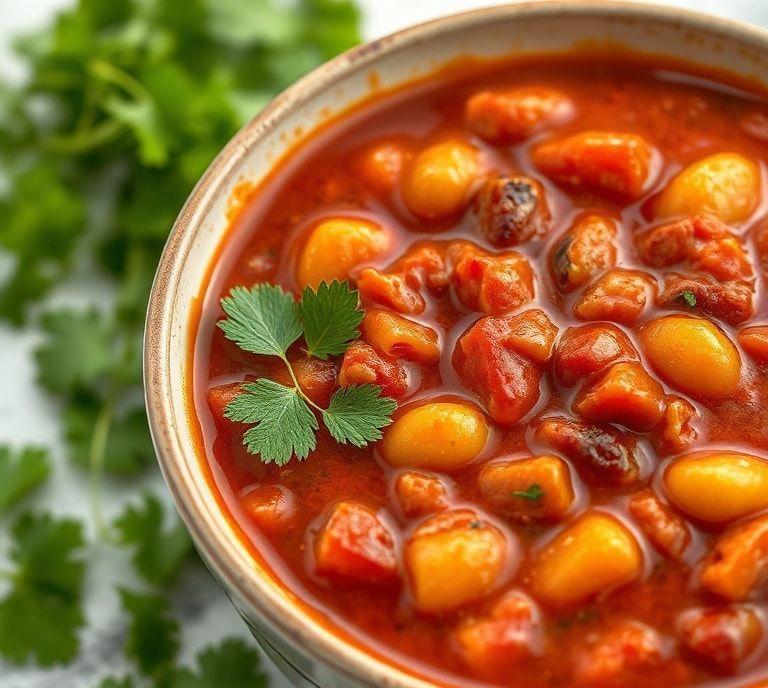
This vegetarian chili is a game-changer for a busy weeknight or even a lazy weekend. It’s packed with hearty beans, fresh vegetables, and just the right amount of spice. The best part? It takes less than an hour to cook, and most of the ingredients are pantry staples.
Ingredients Needed
- 1 tablespoon olive oil – For sautéing the vegetables and building that base flavor.
- 1 large onion, diced – Adds sweetness and depth to the chili.
- 2 cloves garlic, minced – Garlic is the backbone of any chili. It brings all the flavors together.
- 1 bell pepper, diced – Adds color and a subtle sweetness.
- 1 zucchini, diced – Gives a lightness and texture to the chili.
- 1 can (15 oz) black beans, drained and rinsed – The star protein-packed ingredient.
- 1 can (15 oz) kidney beans, drained and rinsed – Another type of bean for variety and added nutrition.
- 1 can (14.5 oz) diced tomatoes – Gives the chili its saucy base.
- 1 cup vegetable broth – Adds liquid and enhances the flavor without overwhelming it.
- 1 tablespoon chili powder – The most essential spice in any chili.
- 1 teaspoon cumin – Adds a smoky, earthy depth.
- 1/2 teaspoon smoked paprika – Just the right touch of smokiness.
- Salt and pepper, to taste – Always necessary to balance the flavors.
- 1 tablespoon fresh cilantro, chopped (optional) – For garnish and a pop of fresh flavor.
- Lime wedges (optional) – A squeeze of lime adds brightness and balance.
Cooking Instructions
- Sauté the vegetables: Heat the olive oil in a large pot over medium heat. Add the onion and bell pepper and cook for about 5 minutes, until softened and aromatic. Add the garlic and cook for another minute-just enough time to bring out that rich fragrance.
- Add the spices: Stir in the chili powder, cumin, smoked paprika, salt, and pepper. Let the spices bloom for a minute to bring out their flavors-trust me, it makes all the difference.
- Add the beans and tomatoes: Pour in the black beans, kidney beans, diced tomatoes (with juices), and vegetable broth. Stir to combine, ensuring everything is well coated with the spices. Bring the mixture to a gentle simmer.
- Simmer and thicken: Reduce the heat to low and let the chili simmer for about 20-25 minutes. The flavors will meld together beautifully, and the liquid will reduce slightly, creating a thick, hearty chili.
- Finish with fresh touches: If you’re using zucchini, stir it in during the last 10 minutes of cooking so it softens without turning mushy. Taste for seasoning, adding more salt or pepper as needed.
- Serve: Ladle the chili into bowls, and top with fresh cilantro and a squeeze of lime for an extra layer of flavor. If you’re feeling extra indulgent, a dollop of sour cream or shredded cheese would be the perfect finishing touch.
Ingredient Science Spotlight
One of the things I love about vegetarian chili is the way it lets each ingredient shine. But have you ever stopped to think about the science behind it?
- Beans: The true backbone of vegetarian chili. Black beans and kidney beans both bring a hefty dose of protein and fiber. The fiber helps with digestion and keeps you feeling fuller for longer, while the beans’ soluble fiber also helps lower cholesterol.
- Spices: The magic behind any good chili. Cumin has anti-inflammatory properties and is known to aid digestion, while chili powder is a source of capsaicin, the compound that gives chili peppers their heat. Capsaicin also has metabolism-boosting properties-so your chili is not just delicious, but it might even help you burn a few extra calories.
- Tomatoes: These juicy, tangy morsels are packed with lycopene, a powerful antioxidant that’s been shown to reduce the risk of certain types of cancer. Cooking tomatoes actually increases the availability of lycopene, so that simmering chili is doing your body some good.
- Zucchini: Often overlooked in chili, zucchini adds texture and moisture without overpowering the other flavors. It’s also low in calories but rich in vitamins C and K, making it a great addition to this nutrient-packed meal.
Expert Tips
- Don’t skimp on the seasoning: Chili needs a solid base of spices to really make it pop. Taste as you go and don’t be afraid to adjust the seasoning-every chili recipe should be personalized.
- Let it rest: If you have the time, let the chili sit for a few hours or even overnight. The flavors continue to meld and develop as it cools, making it taste even better the next day.
- Adjust the consistency: If you like a thicker chili, you can mash some of the beans with a spoon to break them down. For a thinner consistency, just add a bit more vegetable broth or water.
- Add heat carefully: Some people love their chili spicy, while others prefer it mild. If you like heat, a pinch of cayenne pepper or a finely chopped jalapeño can take the flavor to the next level. But, start small-spices like cayenne can sneak up on you!
Recipe Variations
- Add a meat substitute: If you’re craving the texture of meat in your chili, try adding plant-based crumbles or tofu for some extra protein.
- Sweeten it up: A tablespoon of maple syrup or a small piece of dark chocolate can add a subtle sweetness and complexity to your chili, making it a little less conventional but oh-so-tasty.
- Spicy bean mix: For an extra kick, add a can of spicy beans (like chipotle black beans or chili beans) to your mix. It’ll boost the heat and the flavor profile.
- Vegetable overload: Want to get even more veggies in there? Consider adding corn, carrots, or even sweet potatoes for a heartier, more colorful dish.
- Vegan cheese and sour cream: For a dairy-free version, try topping your chili with vegan cheese or cashew sour cream. It brings that creamy richness without the dairy.
Final Words
This chili isn’t just for vegetarians-it’s a satisfying, flavorful meal that anyone can enjoy, regardless of dietary preference. It’s versatile, easy to make, and packed with goodness. Plus, it’s the kind of dish that just gets better the longer it sits, which makes it perfect for leftovers. Whether you’re making it for a cozy dinner or as part of a bigger meal, it’s bound to become a regular on your weekly menu.
FAQs
What Ingredients Are Essential For A Quick Vegetarian Chili?
A quick vegetarian chili typically requires canned beans (such as black beans, kidney beans, or pinto beans), canned diced tomatoes, bell peppers, onions, garlic, and chili spices like cumin, paprika, and chili powder. Optional ingredients for added flavor and texture include corn, zucchini, or mushrooms. Using canned and pre-chopped vegetables can significantly reduce preparation time.
How Can I Make Vegetarian Chili Quickly Without Compromising Flavor?
To make vegetarian chili quickly while maintaining rich flavor, use canned beans and tomatoes, sauté aromatics like onions, garlic, and bell peppers briefly, and incorporate pre-made chili seasoning or a blend of spices. Simmering the chili for 15-20 minutes allows the flavors to meld without requiring long cooking times. Adding a splash of lime juice or a small amount of soy sauce at the end can enhance depth of flavor.
Can I Prepare Vegetarian Chili In Advance And Reheat It?
Yes, vegetarian chili can be made in advance and stored in the refrigerator for up to 3-4 days or frozen for up to 3 months. Flavors often improve after resting, as the spices have time to meld. When reheating, gently warm the chili on the stove or in the microwave, adding a little water or vegetable broth if it has thickened too much.