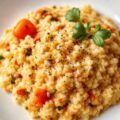
Ravioli is one of those foods that instantly transports you to a cozy kitchen, where you can almost hear the hum of conversation and feel the warmth of the oven. It’s a dish that not only satisfies the stomach but also nourishes the soul. While ravioli is often associated with indulgence, there’s something particularly magical about making your own from scratch, especially with a vegetarian filling that bursts with flavor.
There’s a certain nostalgia that comes with preparing ravioli. I remember the first time I made it with my grandmother. She didn’t have a recipe written down but rather an intuitive sense of balance in her ingredients. I think that’s the beauty of dishes like this-they evolve with each generation, reflecting the hands that prepare them and the love they pour into the process.
Today, we’re going to break down a vegetarian ravioli filling recipe that’s rich, hearty, and surprisingly simple. Whether you’re an experienced cook or someone dipping their toes into homemade pasta for the first time, this recipe will guide you through the process, giving you the tools to create something special in your kitchen.
Ravioli Filling Vegetarian Recipe
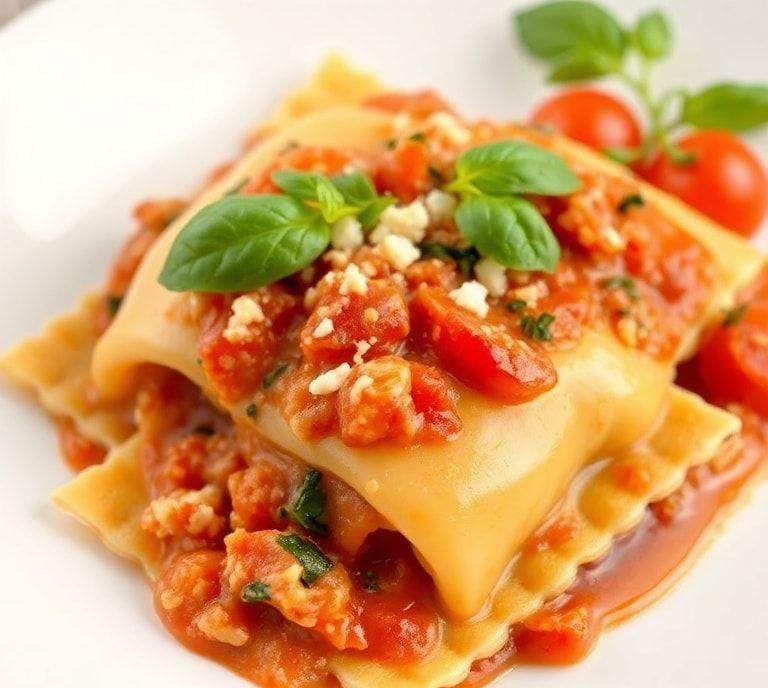
Let’s dive into the heart of the dish-the ravioli filling. This vegetarian option is not only delicious but also flexible. You can get creative with your vegetables, herbs, and cheeses, adjusting to what’s in season or what’s already sitting in your fridge.
The base of this filling is a combination of ricotta cheese, spinach, and a blend of savory seasonings. It’s a filling that’s creamy yet fresh, rich yet light. The spinach adds a natural earthiness that pairs perfectly with the smooth, mild ricotta. You’ll find this recipe is as versatile as it is flavorful.
Ingredients Needed
For The Filling
- 2 cups fresh spinach (or frozen, if that’s what you have)
- 1 cup ricotta cheese (whole milk is best for a creamier texture)
- 1/2 cup grated Parmesan cheese
- 1/4 cup chopped fresh basil (or 1 tablespoon dried basil)
- 1 small onion, finely chopped
- 2 cloves garlic, minced
- Zest of 1 lemon
- Salt and pepper, to taste
- 1/4 teaspoon freshly grated nutmeg (optional but adds depth)
- Olive oil for sautéing
For The Ravioli Dough (if Making From Scratch)
- 2 cups all-purpose flour (plus extra for dusting)
- 2 large eggs
- A pinch of salt
- 1-2 tablespoons of water (as needed)
Cooking Instructions
-
Prepare The Filling
- Start by washing the spinach thoroughly. If using fresh spinach, roughly chop it, and sauté it in a little olive oil with the chopped onions and garlic until softened. If using frozen spinach, thaw and drain it well before sautéing.
- Once the spinach mixture is cool enough to handle, squeeze out any excess moisture and chop it finely. This step ensures your filling doesn’t become too watery.
- In a mixing bowl, combine the spinach with ricotta, Parmesan, basil, lemon zest, nutmeg, salt, and pepper. Stir everything together until well incorporated. Taste and adjust the seasoning as needed-sometimes a bit more salt or lemon zest really enhances the flavor.
-
Make The Dough
- In a large bowl, combine the flour and salt. Create a well in the center and crack the eggs into it. Begin whisking the eggs with a fork, gradually incorporating the flour around the edges. Once it starts coming together, knead the dough until it’s smooth and elastic, about 10 minutes. If it feels dry, add water, a little at a time, until it’s just right. Cover with a damp towel and let it rest for about 30 minutes.
-
Assemble The Ravioli
- After the dough has rested, roll it out on a floured surface into thin sheets (about 1/16 inch thick). If you have a pasta machine, this is the time to use it; otherwise, just use a rolling pin.
- Place small spoonfuls of filling about 1 inch apart on one sheet of dough. Brush around each mound of filling with water, then cover with another sheet of dough. Press down around each mound to seal, making sure there are no air pockets.
- Use a knife or a ravioli cutter to cut out the individual ravioli. You can seal the edges with a fork if needed.
-
Cook The Ravioli
- Bring a large pot of salted water to a boil. Gently drop the ravioli in and cook for 2-3 minutes, or until they float to the surface. Fresh pasta cooks quickly, so keep an eye on them.
- While the ravioli cooks, you can make a simple sauce, like a butter and sage sauce or marinara. Once the ravioli is done, toss it gently with the sauce and serve!
Ingredient Science Spotlight
Let’s take a closer look at the science behind some of these ingredients and why they work so harmoniously together in the filling.
- Ricotta: This cheese adds creaminess and lightness to the filling. The curds are soft, and when mixed with spinach, it provides the perfect texture contrast to the thin pasta. The mild flavor of ricotta allows the other ingredients, like basil and Parmesan, to shine without overpowering the dish.
- Spinach: Packed with iron, fiber, and vitamins, spinach also brings a slight bitterness that complements the richness of the cheese. The heat from sautéing it with garlic and onions reduces its raw taste, making it more palatable while releasing its natural sugars.
- Nutmeg: Though not always associated with savory dishes, nutmeg is a game-changer in this recipe. Just a pinch adds a warm, aromatic depth that balances the other flavors and elevates the overall dish.
Expert Tips
- Don’t Overstuff: It’s tempting to add more filling, but too much can cause the ravioli to burst open during cooking. A small spoonful is all you need.
- Seal Properly: Be sure to press down firmly around the filling to ensure the ravioli stays closed. Air pockets can cause them to unravel in the water.
- Make Ahead: Fresh ravioli can be frozen. Lay them out on a baking sheet in a single layer to freeze, and once they’re firm, transfer them to a zip-top bag for longer storage. You can cook frozen ravioli straight from the freezer-just add a minute or two to the cooking time.
- Herb Variations: Try experimenting with different herbs-thyme, oregano, or parsley could all make wonderful additions or replacements for the basil.
Recipe Variations
One of the best things about this recipe is how adaptable it is. Here are a few variations to try:
- Mushroom and Goat Cheese: If you want something heartier, swap the spinach for sautéed mushrooms and mix in some creamy goat cheese for a tangy twist.
- Butternut Squash Filling: For a fall-inspired ravioli, roast butternut squash and blend it with ricotta and sage for a sweet and savory filling.
- Ricotta and Lemon Zest: For a lighter filling, use ricotta, lemon zest, and a handful of arugula for a peppery bite.
Final Words
There’s something undeniably satisfying about crafting a dish like ravioli from scratch. The process itself is an experience, from the feel of the dough in your hands to the aroma of the filling as it cooks. It’s a recipe that demands a little patience but rewards you with something far greater than the sum of its parts-a meal that feels both elegant and comforting at the same time.
FAQs
What Are The Best Vegetarian Fillings For Ravioli?
Some of the best vegetarian fillings for ravioli include ricotta and spinach, mushroom and garlic, butternut squash with sage, and a combination of cheese and herbs. Other variations include roasted vegetables like zucchini or eggplant, and even plant-based proteins like lentils or tofu. These fillings can be complemented with herbs, spices, and a variety of cheeses for richer flavors.
How Do I Make A Basic Ricotta And Spinach Ravioli Filling?
To make a basic ricotta and spinach ravioli filling, start by sautéing fresh spinach with garlic in olive oil until wilted. Let the spinach cool before chopping it finely. In a mixing bowl, combine ricotta cheese, the sautéed spinach, a pinch of nutmeg, salt, and pepper to taste. You can also add a bit of grated Parmesan for extra flavor. Once well mixed, the filling is ready to be used in your ravioli.
Can I Make A Gluten-free Ravioli With Vegetarian Filling?
Yes, you can make gluten-free ravioli by using gluten-free pasta sheets, which are available at most grocery stores. You can make your own dough using a blend of gluten-free flours, such as rice flour or chickpea flour, combined with egg and a bit of olive oil for texture. Ensure that your filling ingredients are naturally gluten-free, such as cheese, vegetables, and herbs, to keep the dish entirely gluten-free.