There are few dishes that can instantly comfort you like a plate of homemade ravioli. It’s one of those recipes that might seem like a fancy undertaking, but once you dive in, you realize it’s much more achievable than you thought. Ravioli can be such a beautiful canvas for creativity, especially when you embrace a vegetarian version. The delicate pasta, stuffed with fresh vegetables and aromatic herbs, is perfect for any season. It’s a dish that brings warmth, satisfaction, and a hint of elegance to your table.
Let’s talk about a vegetarian ravioli recipe. One that’s so rich in flavor and full of those comforting, familiar ingredients that make you feel like you’re enjoying a home-cooked meal. No store-bought stuff here. We’re talking about fresh dough, stuffed to perfection, with a filling that has layers of flavors, texture, and a little something special that’ll make you forget all about the frozen alternatives.
So, pull up a chair and let’s break down this recipe. I’ll guide you through the process, share a few tips I’ve picked up, and show you how to elevate something as simple as ravioli into a memorable dish.
Ravioli Vegetarian Recipe
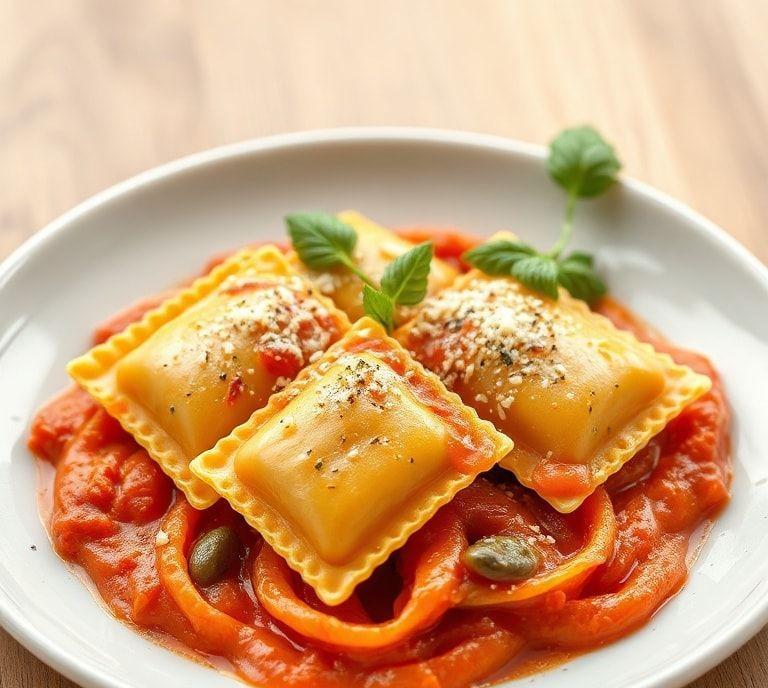
This vegetarian ravioli recipe is all about freshness and simplicity. The beauty of ravioli is that you can get really creative with the fillings, but there’s something magical about using seasonal vegetables and a touch of cheese to make it stand out. Let’s break down the steps so you can create a dish that feels like it belongs at a family gathering, yet is simple enough to prepare any night of the week.
Ingredients Needed
The key to making ravioli shine is all about the ingredients. It’s like putting together a great ensemble-each one needs to play its part. For this vegetarian ravioli, you’ll need:
-
For The Dough
- 2 cups of all-purpose flour (or “00” flour if you want that perfect silky pasta texture)
- 2 large eggs
- A pinch of salt
- 1-2 tablespoons of olive oil
- Water (as needed to bring the dough together)
-
For The Filling
- 1 cup ricotta cheese (creamy and fresh)
- 1 cup spinach (fresh, chopped finely)
- 1 small zucchini (grated and squeezed of excess water)
- 1 clove garlic (minced)
- 1 tablespoon fresh basil (finely chopped)
- 1/4 cup grated Parmesan cheese (optional but adds a nice umami)
- Salt and pepper to taste
- Olive oil (for sautéing)
-
For The Sauce (optional But Highly Recommended)
- 2 tablespoons butter
- A handful of fresh sage leaves
- 1/4 cup toasted pine nuts (adds a nice crunch)
- A squeeze of lemon juice (to brighten up the richness of the butter)
Cooking Instructions
-
Making The Dough
Start by making the pasta dough. Pile your flour on a clean countertop and create a well in the center. Crack the eggs into the well, add a pinch of salt, and pour in a drizzle of olive oil. Use a fork to slowly bring the flour in from the sides, mixing until a shaggy dough forms. Then, knead the dough by hand for about 10 minutes. Don’t rush this step; the more you knead, the smoother and more elastic your dough will be. If it’s too dry, add a tiny splash of water; too sticky, dust it with a bit of flour.
-
Rest The Dough
Wrap the dough in plastic wrap and let it rest for at least 30 minutes. This gives the gluten time to relax, making it easier to roll out later.
-
Prepare The Filling
While the dough rests, it’s time to focus on the filling. Heat a small amount of olive oil in a pan and sauté the garlic until fragrant. Add the zucchini and spinach, cooking until the moisture from the zucchini evaporates and the spinach wilts. Remove from the heat and let it cool slightly.
In a bowl, mix the ricotta, Parmesan, basil, and the sautéed veggies. Season generously with salt and pepper. The filling should be creamy, with the vegetables providing a nice contrast in texture.
-
Roll Out The Dough
Once your dough has rested, divide it into two pieces. Roll out one piece on a floured surface as thin as possible (think about 1/16 of an inch). You want it to be almost translucent, as it will puff up a bit when cooked.
-
Assemble The Ravioli
On one sheet of dough, place small spoonfuls of the filling about an inch apart. Drape the second sheet of dough over the top. Press down around each mound of filling to seal the ravioli, making sure there’s no air trapped inside. Use a ravioli cutter or a sharp knife to cut the individual ravioli. Seal the edges by pressing them with a fork, creating that signature ridged pattern.
-
Cook The Ravioli
Bring a large pot of salted water to a boil. Drop the ravioli in batches, cooking for about 2-3 minutes, or until they float to the surface. Don’t overcrowd the pot.
-
Make The Sauce
While the ravioli cooks, melt butter in a pan over medium heat. Add the sage leaves and cook until the butter becomes golden brown and aromatic, then toss in the toasted pine nuts. A splash of lemon juice at the end will give it that perfect zesty kick.
-
Serve
Gently toss the cooked ravioli in the butter sauce and serve with a sprinkle of Parmesan, a few extra sage leaves, and perhaps a light drizzle of olive oil.
Ingredient Science Spotlight
Ever wonder why ricotta works so perfectly in ravioli? It’s because of its smooth texture and mild flavor, which perfectly balances the bolder tastes of the vegetables. It also helps to keep the filling from being too dense, giving the ravioli that light, melt-in-your-mouth experience.
Then there’s the dough itself. The combination of eggs and flour creates that wonderfully elastic texture that can hold up to the filling without falling apart. The olive oil? It adds richness, making the dough more tender while helping it to roll out smoothly.
Finally, the magic of fresh herbs like basil and sage-these are the flavor lifeblood of your dish. While basil gives a fragrant sweetness to the filling, sage in the sauce adds an earthy, slightly peppery depth that balances out the richness of the butter.
Expert Tips
- Rest the dough longer: If you can, give your dough a bit more time to rest. The more relaxed it is, the easier it is to roll out and work with.
- Don’t overstuff the ravioli: A common mistake is to pack the ravioli too full. This can lead to a mess when they cook. A teaspoon or so of filling per ravioli is perfect.
- Save pasta water: If you’re making a sauce, always reserve a little pasta water when draining your ravioli. It can be used to help emulsify the sauce and make it creamier.
- Keep the pasta water well salted: It’s often overlooked, but the right amount of salt in the water can make all the difference in the final flavor of the dish.
- Freeze extra ravioli: If you make more than you need, freeze the uncooked ravioli in a single layer on a baking sheet. Once frozen, transfer them to a freezer bag. You can cook them straight from the freezer-no thawing needed.
Recipe Variations
- Butternut Squash Ravioli: Try swapping the spinach and zucchini for roasted butternut squash, sage, and ricotta. The sweetness of the squash pairs wonderfully with brown butter and a touch of nutmeg.
- Mushroom and Ricotta: For a richer filling, swap in sautéed mushrooms for the vegetables. The earthy flavor of mushrooms with ricotta creates a deeply satisfying bite.
- Vegan Option: To make it dairy-free, substitute the ricotta for a vegan cheese or silken tofu, and the Parmesan can be replaced with nutritional yeast for that cheesy umami kick.
- Lemon and Ricotta: Add some zest to your filling with lemon rind or even a touch of lemon juice. It’ll bring a bright freshness that’ll pair beautifully with a simple butter sauce.
Final Words
Making ravioli from scratch is a rewarding experience. It’s a dish that can be as simple or as elaborate as you want, but the satisfaction of crafting each piece by hand makes it worthwhile. And when you sit down to enjoy your creation, it’s all the more meaningful because you put in the effort.
The beauty of this recipe is its versatility. Whether you’re using seasonal vegetables, experimenting with different cheeses, or adding your favorite herbs, the possibilities are endless. And once you master the basics, it’s easy to get creative and play with flavors.
FAQs
What Ingredients Are Typically Used In A Vegetarian Ravioli Recipe?
A vegetarian ravioli recipe usually includes fresh pasta dough made from flour, eggs, and water, or a store-bought alternative. Common fillings feature ricotta cheese, spinach, mushrooms, pumpkin, butternut squash, or a combination of vegetables and cheeses. Seasonings often include garlic, onions, nutmeg, salt, pepper, and fresh herbs such as basil, parsley, or thyme. Some recipes may also include breadcrumbs or nuts to enhance texture.
How Can I Make Vegetarian Ravioli From Scratch?
To make vegetarian ravioli from scratch, start by preparing fresh pasta dough and letting it rest. While the dough rests, cook and season your chosen filling ingredients, such as sautéed spinach with ricotta and garlic. Roll out the pasta dough into thin sheets, place spoonfuls of the filling evenly, and cover with another sheet of dough. Press around the filling to seal and cut into individual ravioli shapes. Boil in salted water until the pasta is al dente, typically 3-5 minutes, then serve with your preferred sauce, such as tomato, pesto, or a simple butter and sage sauce.
What Are Some Tips To Prevent Vegetarian Ravioli From Breaking Or Sticking Together?
To prevent ravioli from breaking or sticking, ensure the pasta dough is rolled evenly and thin enough for cooking but thick enough to hold the filling. Dust surfaces and dough sheets lightly with flour while shaping the ravioli. Avoid overfilling each piece, and press the edges firmly to seal. When cooking, use a large pot of salted boiling water and stir gently. Remove cooked ravioli with a slotted spoon and transfer to a lightly oiled or buttered pan if not serving immediately.