There’s something about comfort food that feels like a warm hug after a long day. Red beans and rice has always been one of those dishes for me. It’s not just a meal; it’s a feeling. I remember the first time I had it, sitting around a table in a tiny, cozy kitchen. The smell of simmering beans and spices filled the air, making it feel like everything was right with the world. Since then, I’ve spent years perfecting my own recipe, making sure that each bite captures that same essence of warmth and comfort.
This vegetarian version of red beans and rice is my go-to when I’m craving something hearty, filling, and just a little bit nostalgic. It’s a great alternative for those looking for a meatless option but still want all the richness and flavor of the classic dish. I’ve even gotten my friends, who are hardcore meat lovers, to try it – and they didn’t miss the sausage or bacon at all. It’s that good.
Red Beans And Rice Vegetarian Recipe
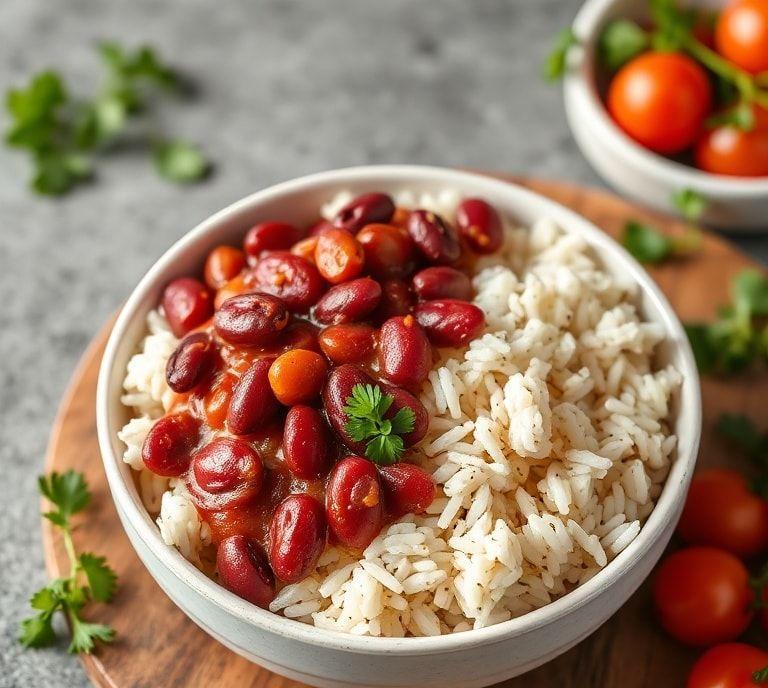
Making red beans and rice the vegetarian way isn’t as tricky as you might think. The key is using the right combination of seasonings, vegetables, and plant-based proteins to give you that deep, savory taste that’s usually found in meat. And trust me, you won’t feel like you’re missing out.
Here’s how to do it.
Ingredients Needed
- 1 cup dried red beans (you can also use canned red beans if you’re short on time, but dried beans really bring a different depth to the dish)
- 1 tablespoon olive oil (for sautéing the veggies)
- 1 large onion, diced
- 1 bell pepper, diced (green or red, it’s up to you)
- 3 cloves garlic, minced
- 2 stalks celery, diced
- 1 teaspoon smoked paprika
- 1/2 teaspoon dried thyme
- 1/2 teaspoon dried oregano
- 1/2 teaspoon ground cumin
- 1/4 teaspoon cayenne pepper (optional, depending on your spice preference)
- 1 bay leaf
- 4 cups vegetable broth (this is where the base flavor comes from, so make sure to choose a good quality broth)
- 1/2 teaspoon salt, or to taste
- 1/4 teaspoon black pepper, or to taste
- 1 cup cooked brown rice (or white rice if you prefer)
- 1 tablespoon fresh parsley, chopped (optional, for garnish)
Tip: If you like a bit more texture in your beans, you can mash a small portion of them at the end to create a creamier consistency.
Cooking Instructions
-
Prepare The Beans
If you’re using dried beans, give them a good rinse under cold water, then soak them in a large pot of water for at least 8 hours, or overnight. If you’re short on time, the quick-soak method works: bring the beans to a boil for 2 minutes, then turn off the heat and let them sit, covered, for an hour before draining and rinsing. Canned beans are a good shortcut here, just make sure to drain and rinse them before using.
-
Sauté The Vegetables
In a large pot, heat the olive oil over medium heat. Add the onions, bell pepper, and celery. Sauté for about 5 minutes until the vegetables are soft and fragrant. Add the garlic and cook for another minute, until it becomes aromatic.
-
Add The Spices
Now comes the fun part! Stir in the smoked paprika, thyme, oregano, cumin, cayenne (if using), and bay leaf. Let the spices toast for a minute or so to really bring out their flavors.
-
Simmer The Beans
Add the soaked (or canned) beans to the pot along with the vegetable broth, salt, and black pepper. Bring the mixture to a boil, then reduce the heat and let it simmer for about 1 to 1.5 hours, or until the beans are tender. If you’re using canned beans, simmer for about 30 minutes to let the flavors blend. Check occasionally, and if it looks like the pot is drying out, add a bit more broth or water.
-
Finish The Dish
Once the beans are tender and the broth has thickened, remove the bay leaf. If you want a creamier texture, use a fork or potato masher to mash some of the beans. This step isn’t necessary, but I love how it adds richness. Serve the beans over the cooked rice and garnish with fresh parsley.
Ingredient Science Spotlight
Each ingredient in this dish has its role to play, not just for flavor, but for texture and overall harmony. Take, for instance, the dried red beans. When cooked, they absorb the flavors of the broth and spices, becoming soft but still holding their shape. This is key for achieving the right texture.
The smoked paprika is a secret weapon. It’s not just for color-its smoky depth brings an earthy warmth that’s usually attributed to the sausage or ham found in traditional red beans and rice recipes. The combination of thyme, oregano, and bay leaf helps create that complex, layered flavor that makes this dish so irresistible.
The addition of vegetables like celery, bell pepper, and onion is essential. They form the ’holy trinity’ of Creole and Cajun cooking, providing a savory backbone for the beans. Each vegetable softens as it cooks, infusing the broth with its essence. And the vegetable broth? It serves as the perfect canvas to absorb all these flavors, making sure the beans are as rich as they can be.
Expert Tips
- Soak the Beans: Always soak dried beans beforehand. Not only does it reduce cooking time, but it also makes them easier to digest.
- Flavor Development: Don’t rush the sautéing process. Cooking the vegetables low and slow gives them time to caramelize, which adds a depth of flavor to the dish.
- Adjust the Spice: If you like it spicy, go for the full dose of cayenne pepper, or even add a dash of hot sauce when serving. If you’re not big on heat, skip the cayenne entirely.
- Make It a Meal: You can serve this dish with a simple side salad or some crusty bread. If you want to amp up the protein content, throw in some plant-based sausage or tempeh for a heartier meal.
Recipe Variations
- Add Plant-Based Sausage: If you want to add some ’meat’ without compromising the vegetarian aspect, try adding some plant-based sausage or crumbled tempeh for a little extra protein and texture.
- Rice Options: While white rice is the traditional choice, feel free to use brown rice for a more nutritious alternative. If you want something even more unique, try quinoa or cauliflower rice for a low-carb version.
- Beans: Swap the red beans for black beans or kidney beans if you prefer a different variety. Each one brings its own nuance to the dish.
- Add Vegetables: For more color and texture, consider adding chopped tomatoes, spinach, or even a bit of zucchini toward the end of cooking. They’ll cook down and add a lovely freshness to the dish.
Final Words
Red beans and rice is more than just a recipe; it’s a dish that brings people together. The beauty of this vegetarian version is how it respects the roots of the classic recipe while giving you a lighter, plant-based twist. It’s the kind of meal that makes you feel grounded, satisfied, and a little bit nostalgic.
FAQs
What Are The Key Ingredients For A Vegetarian Red Beans And Rice Recipe?
The key ingredients for a vegetarian red beans and rice recipe typically include red kidney beans, long-grain white rice, onions, garlic, bell peppers, celery, vegetable broth, and a variety of seasonings such as thyme, oregano, bay leaves, cayenne pepper, and paprika. Some variations may also include diced tomatoes or smoked tofu for added flavor and texture.
Can I Use Canned Beans Instead Of Dried Beans In A Vegetarian Red Beans And Rice Recipe?
Yes, you can use canned beans instead of dried beans to save time. If using canned beans, rinse them thoroughly to remove excess sodium. Canned beans typically do not require as much cooking time, so you can add them in during the final stages of cooking, just long enough to heat through and incorporate the flavors.
How Can I Make A Vegetarian Red Beans And Rice Recipe More Flavorful Without Meat?
To enhance the flavor of a vegetarian red beans and rice recipe without using meat, consider adding smoked paprika, liquid smoke, or a dash of soy sauce for a savory depth. You can also use smoked tempeh or smoked tofu as a meat alternative to provide a similar richness. Additionally, including more aromatic vegetables like leeks, shallots, or fresh herbs like cilantro and parsley can elevate the dish’s flavor profile.