There’s something timeless about a good bean dish, don’t you think? I remember the first time I tried making red beans from scratch-it was a weekend afternoon, the kitchen smelled of spices and earthiness, and as I stirred the pot, I realized I wasn’t just making food; I was making memories. Red beans, particularly when they’re prepared with a vegetarian twist, offer a beautiful balance of heartiness and health. This recipe is close to my heart because it’s a simple one-uncomplicated, yet the flavors are so rich and satisfying that it can hold its own next to more complex dishes. Whether you’re a seasoned vegetarian or someone just looking to incorporate more plant-based meals into your routine, this dish is a crowd-pleaser that feels like a warm hug.
What makes red beans such a great base is their versatility. You can load them up with spices, add your favorite vegetables, or keep it simple. Whatever you choose, the beans will soak up the flavor like a sponge. And when you cook them slowly, letting them simmer for a while, you create something much greater than the sum of its parts. Red beans don’t need much to shine-they’re hearty, satisfying, and, if you do them right, will stay with you long after your last bite.
Red Beans Vegetarian Recipe
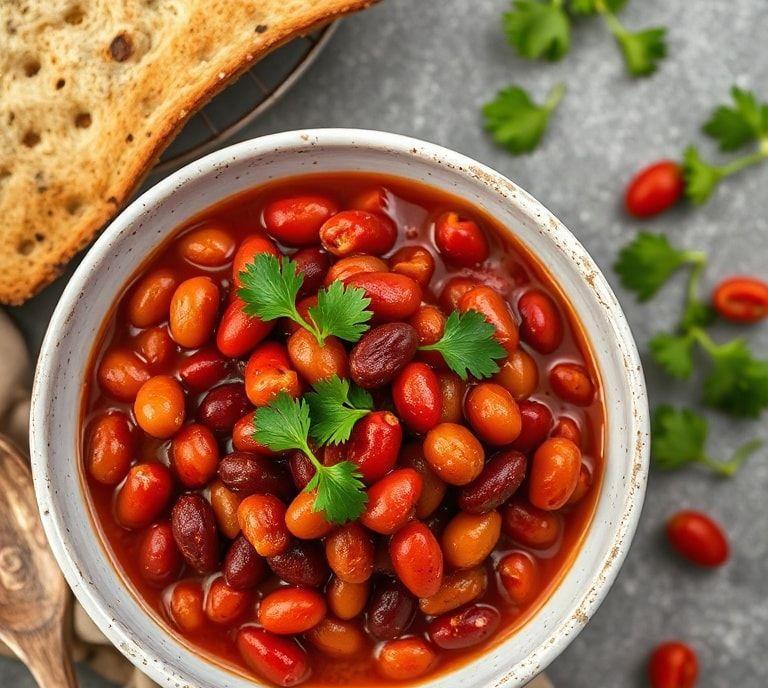
This recipe is inspired by traditional red bean dishes, but with a vegetarian twist. We’ll focus on letting the beans and their spices speak for themselves, without meat-based flavorings. The result is a dish that’s satisfying, nourishing, and full of deep, earthy flavors. It’s a simple yet hearty meal perfect for lunch or dinner, and it even makes great leftovers.
Ingredients Needed
Before we get into the cooking, let’s talk about what you’ll need. I love this recipe because it uses pantry staples and fresh veggies that you can pick up at any store. Here’s what you’ll need:
- 2 cups dried red beans (or 3 cans of cooked red beans, drained and rinsed)
- 1 tablespoon olive oil
- 1 medium onion, chopped
- 1 bell pepper, chopped (red or green, whichever you prefer)
- 2 cloves garlic, minced
- 1 tablespoon smoked paprika
- 1 teaspoon ground cumin
- 1 teaspoon dried oregano
- 1 teaspoon thyme (fresh if you have it, dried works too)
- 1 bay leaf
- 1 ½ cups vegetable broth (or water if you don’t have broth)
- 1 can (14.5 oz) crushed tomatoes
- Salt and pepper to taste
- 1 tablespoon apple cider vinegar (this gives a nice, sharp contrast to the beans’ richness)
- Fresh cilantro or parsley for garnish (optional)
Cooking Instructions
Now, let’s get into the fun part: cooking!
- Soaking the Beans: If you’re using dried beans, start by soaking them overnight in plenty of water. This softens them up and cuts down on cooking time. If you’re short on time, a quick soak works too-just boil the beans for a few minutes and let them sit covered for about an hour.
- Sauté the Veggies: In a large pot, heat the olive oil over medium heat. Add the onion and bell pepper, and cook for about 5-7 minutes until softened and slightly caramelized. The aroma at this point is already telling you you’re on the right track!
- Garlic and Spices: Add the minced garlic, smoked paprika, cumin, oregano, and thyme. Stir everything around for another minute or so. You’ll notice the garlic releasing its fragrance, and the spices will start to bloom in the oil. This step builds the flavor base of the dish, and it’s one of my favorite moments in the cooking process.
- Simmer the Beans: If you’re using soaked beans, drain and rinse them. Add the beans, vegetable broth, crushed tomatoes, and bay leaf into the pot. Stir everything together. If you’re using canned beans, just add them straight to the pot along with the broth and tomatoes. Bring everything to a boil, then reduce the heat and let it simmer for about 45-60 minutes if you’re using dried beans. If you’re using canned beans, you only need to simmer for about 15-20 minutes to heat everything through and blend the flavors.
- Season and Finish: As the beans cook, season with salt, pepper, and a splash of apple cider vinegar. The vinegar is a little trick I use to cut through the richness of the beans and create a nice balance. Once the beans are tender and the flavors have melded together, taste for seasoning, adjusting salt and pepper as needed.
- Serve: Remove the bay leaf and serve the beans in bowls, topped with fresh cilantro or parsley for a bit of brightness.
Ingredient Science Spotlight
One of the things I find most fascinating about this dish is the science behind the ingredients. Let’s take a moment to dive into two key components:
- Red Beans: Red beans are a type of legume, and legumes are packed with protein, fiber, and essential nutrients. They are low in fat and high in antioxidants, making them an excellent choice for anyone looking to maintain a healthy diet. The soluble fiber in beans helps lower cholesterol and keeps your digestive system running smoothly. Plus, the slow-cooked beans in this recipe break down and release a starch that creates a creamy texture in the broth, which is a big part of why this dish feels so hearty.
- Apple Cider Vinegar: While it may seem like an odd addition to a bean dish, the acidity of apple cider vinegar works wonders. It cuts through the rich, starchy nature of the beans, giving the dish a balance that stops it from feeling too heavy. Acidity can also help bring out the flavors of other ingredients, such as the smoky paprika and cumin, by brightening them up.
Expert Tips
- Don’t Rush the Cooking: Beans take time. They need to simmer slowly to develop their full flavor and creamy texture. If you’re using dried beans, resist the urge to rush the cooking process. Let them cook on a low simmer for at least an hour, checking occasionally to make sure they don’t need more liquid.
- Layer the Spices: When cooking beans, I like to layer the spices in stages. You can start with the base flavors like cumin and paprika, but adding a bit of salt and vinegar near the end of the cooking process ensures that the dish remains well-balanced.
- Customize the Heat: If you like things spicy, consider adding a chopped chili pepper (like jalapeño) along with the onion and bell pepper. You can also toss in a pinch of cayenne pepper for a little extra kick.
- Use Quality Broth: The broth is where a lot of flavor will come from, so use a high-quality vegetable broth or even make your own if you have the time. Homemade broth adds richness that store-bought varieties just can’t match.
Recipe Variations
The beauty of this recipe lies in its flexibility. There are so many ways you can make this dish your own. Here are a few variations to try:
- Add Greens: Stir in some spinach, kale, or collard greens in the final 15 minutes of cooking. Not only does this make the dish even more nutritious, but the greens add a nice texture contrast against the beans.
- Make it a Stew: If you like a thicker, more stew-like consistency, you can mash a portion of the beans halfway through cooking to thicken the broth. This is particularly great if you’re serving it with a side of crusty bread for dipping.
- Smokier Flavor: Add a bit of smoked chipotle pepper or a few dashes of liquid smoke to intensify the smoky profile of the dish.
- Serve Over Rice: For a complete meal, serve the beans over rice, quinoa, or couscous. The beans and rice combo is not only filling but also provides a complete protein.
Final Words
This red beans recipe has become a staple in my kitchen, and I think it will quickly become one in yours too. It’s simple, satisfying, and incredibly versatile. Whether you’re cooking for yourself, your family, or a group of friends, you can rely on this dish to be both nourishing and delicious. There’s no fancy technique here-just a few humble ingredients, slow-cooked to perfection, bringing out deep, soulful flavors. And let’s not forget how budget-friendly it is!
FAQs
What Ingredients Are Needed For A Basic Red Beans Vegetarian Recipe?
A basic red beans vegetarian recipe typically requires red beans (either canned or dried), onion, garlic, bell pepper, vegetable broth, olive oil, spices such as cumin, paprika, oregano, and thyme, and optional vegetables like tomatoes, celery, or carrots. Some variations may include plant-based protein sources such as tofu or tempeh, depending on the recipe.
Can I Use Dried Red Beans Instead Of Canned In A Red Beans Vegetarian Recipe?
Yes, dried red beans can be used in a red beans vegetarian recipe, but they require more preparation. Dried beans need to be soaked overnight or quick-soaked before cooking. After soaking, the beans should be cooked for about 1-2 hours until tender, which can take longer than using canned beans. If using dried beans, ensure to add enough water or vegetable broth during cooking to prevent burning.
How Can I Add More Flavor To A Red Beans Vegetarian Recipe Without Using Animal Products?
To enhance the flavor of a red beans vegetarian recipe without animal products, you can use a variety of plant-based ingredients and seasonings. Try incorporating smoked paprika or liquid smoke for a smoky taste, add nutritional yeast for a cheesy flavor, or include tamari or soy sauce for depth. Fresh herbs like cilantro or parsley can also be used for added brightness, and a splash of lime juice or vinegar at the end of cooking can provide a tangy finish.