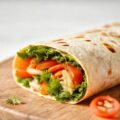
When it comes to creating something simple yet delightful in the kitchen, I find that rice paper rolls are the perfect canvas. They’re like little edible art pieces-fresh, vibrant, and customizable in ways that truly speak to your personal taste. But what I love most about them is that they’re both an invitation to experiment and a comfort food all rolled into one. I’ve spent countless afternoons making rice paper rolls with friends, often adjusting fillings based on what’s fresh in the fridge or simply craving something light and refreshing.
This rice paper vegetarian recipe is especially close to my heart. It’s a beautiful balance of texture and flavor-crunchy, soft, and savory all at once. Plus, you get to load it with all the vegetables you love (or need to use up), making it perfect for almost any occasion. Whether you’re looking for a healthy snack, appetizer, or even a light lunch, these rolls never disappoint.
Rice Paper Vegetarian Recipe
Making rice paper rolls feels a little like a game of Tetris-except the goal isn’t to fit pieces together, but rather to get the fillings just right. You have to think of them as little parcels of joy, where each ingredient has its own role to play. The crispness of the rice paper contrasts beautifully with the soft crunch of fresh veggies, while herbs like cilantro and mint offer a burst of flavor that can completely transform the experience.
I love how adaptable this recipe is; you can toss in whatever you have lying around in the kitchen, but if you stick to the following basics, you’ll get a combination that works harmoniously every time.
Ingredients Needed
The great thing about this vegetarian rice paper recipe is that it’s simple yet packs a punch of flavor. Here’s a list of what you’ll need to create these rolls:
- Rice Paper (spring roll wrappers): These thin, translucent sheets are the backbone of the rolls. They soak up water to become soft and pliable but can hold their shape and integrity even when filled to the brim.
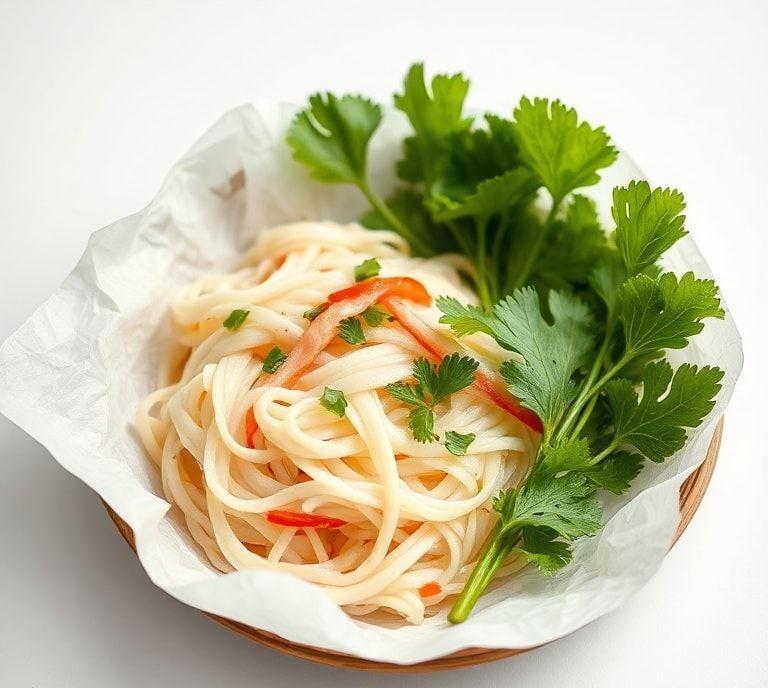
- Rice Vermicelli Noodles: They’re light and delicate, a perfect complement to the other fresh ingredients. They add a great texture that helps fill out the rolls.
- Carrots: Julienned for that perfect crunch. They add a lovely sweetness and vibrant orange color to the rolls.
- Cucumber: Thinly sliced for a fresh, cool bite. Cucumber helps balance the richness of other ingredients.
- Red Bell Pepper: Sweet, crunchy, and colorful, it brings an extra layer of texture.
- Avocado: Creamy and smooth, it offers richness that contrasts nicely with the crunchier elements.
- Fresh Herbs (mint, cilantro, and basil): These herbs are essential-they bring a freshness that is both aromatic and flavorful, elevating the dish entirely.
- Lettuce or Leafy Greens: A soft crunch and lightness that helps balance the heaviness of the other fillings.
- Tofu (optional, but highly recommended): Firm tofu works best here, adding a bit of protein to make these rolls feel more substantial.
- Peanut Dipping Sauce: A combination of peanut butter, soy sauce, garlic, and a bit of sweetness-this sauce ties everything together and gives the rolls a delicious depth.
Cooking Instructions
Now, making these rice paper rolls is almost like assembling a beautiful, fresh puzzle. It doesn’t take much time at all-just a little patience and care to make everything look beautiful.
-
Prep The Fillings
Start by slicing the vegetables thinly. The idea is to have everything ready to go so you can quickly assemble the rolls. I often slice the carrots, cucumber, and bell pepper into thin strips, and the avocado into delicate slices. If you’re using tofu, cut it into small, manageable pieces.
-
Cook The Vermicelli Noodles
Boil a pot of water, then drop in the rice noodles for just a couple of minutes, until they’re soft and tender. Drain and rinse them with cold water to stop the cooking process.
-
Soften The Rice Paper
Fill a large bowl with warm water. Submerge one rice paper wrapper into the water for about 10-15 seconds or until soft. Carefully remove it from the water, shaking off the excess water. Lay it flat on a clean surface or cutting board.
-
Assemble The Roll
In the center of the rice paper, layer a small handful of rice noodles, followed by the veggies, herbs, and tofu. Be careful not to overstuff-think of it like folding a gift. Once everything is in place, fold in the sides of the rice paper, then gently roll it up from the bottom to the top, ensuring the filling stays tucked in.
-
Serve With Dipping Sauce
I always prepare the peanut dipping sauce beforehand. It’s simple-just mix together peanut butter, soy sauce, a little bit of maple syrup, garlic, and a touch of water to get the right consistency. Serve it alongside your rolls for dipping.
Ingredient Science Spotlight
It’s fascinating how each ingredient in these rice paper rolls contributes more than just taste; they also have distinct textures, nutritional value, and health benefits. Let’s look at a few of the key players:
- Rice Paper: Although simple, rice paper is a great source of carbs without being overly heavy. It’s also naturally gluten-free, which makes it a great option for people with gluten sensitivities.
- Tofu: Tofu is made from soybeans, and it’s an excellent source of plant-based protein. It’s low in fat, high in iron, and full of essential amino acids. What I love about tofu in rice paper rolls is its ability to absorb the flavors around it, making each bite incredibly satisfying.
- Carrots: These bright orange veggies are high in beta-carotene, an antioxidant that your body converts into vitamin A. Vitamin A is crucial for eye health, immune function, and skin health. Plus, carrots provide a natural sweetness that balances out the other savory ingredients.
- Avocado: Full of healthy fats, fiber, and vitamins, avocado is often called a “superfood”. Its creamy texture provides a contrast to the crispy veggies, adding richness to the rolls.
- Fresh Herbs: Mint, basil, and cilantro not only add fresh flavor, but they also offer various health benefits. Mint, for example, is great for digestion and can provide a calming effect, while cilantro contains antioxidants that help detoxify the body.
Expert Tips
- Don’t Overstuff: One of the mistakes I made early on was stuffing the rolls too full. Rice paper is delicate, and when you stuff it too much, it’s hard to roll tightly without breaking the wrapper. It’s better to keep it light and layer the fillings in a way that lets you roll without too much tension.
- Soften the Rice Paper Properly: You want the rice paper to be soft but not too soggy. Over-soaking can lead to a mess when you’re trying to roll them. I find a quick dip of 10-15 seconds works best.
- Use Cold Water for Rinsing Noodles: After cooking the rice noodles, rinse them in cold water to prevent them from sticking together. It helps maintain that delicate texture without turning them mushy.
- Play with the Dipping Sauce: Feel free to customize the peanut dipping sauce. I sometimes add a little chili for heat or lime juice for an extra zing.
Recipe Variations
If you’re feeling a little adventurous, there are plenty of ways to switch up the ingredients:
- Spicy Tofu: Instead of plain tofu, marinate it in a spicy sauce with sriracha, soy sauce, and sesame oil before cooking it. It adds a nice kick to the rolls.
- Grilled Veggies: If you’re in the mood for something smokier, throw the bell peppers, zucchini, or eggplant on the grill before assembling. It adds an entirely new dimension to the rolls.
- Fruit Add-ins: For a sweet and savory twist, try adding thin slices of mango or pineapple. Their sweetness pairs beautifully with the crunch of the veggies and the richness of the avocado.
Final Words
Rice paper rolls are more than just food; they’re an expression of creativity and an opportunity to use fresh ingredients to create something light and beautiful. Every bite brings together a harmony of flavors and textures-from the soft, chewy rice paper to the crisp veggies and creamy avocado. The dipping sauce ties it all together, giving you that perfect balance of savory, sweet, and salty.
Whether you’re making them for a party, a picnic, or just for yourself on a quiet afternoon, rice paper rolls are the kind of dish that brings a little joy with every roll. It’s fun to experiment with the ingredients, and the end result is always satisfying, both in taste and in the act of making them.
FAQs
What Are The Essential Ingredients For A Rice Paper Vegetarian Recipe?
A typical rice paper vegetarian recipe includes rice paper sheets, a variety of fresh vegetables such as carrots, cucumber, bell peppers, and lettuce, and optional protein sources like tofu or tempeh. Fresh herbs like mint, cilantro, and basil enhance flavor, while dipping sauces such as hoisin, peanut, or soy-based sauces complement the rolls.
How Do I Properly Prepare Rice Paper For Vegetarian Rolls?
To prepare rice paper, briefly dip each sheet in warm water for 5 to 10 seconds until it becomes pliable but not too soft, then lay it flat on a clean surface. Over-soaking can cause tearing, while under-soaking can make rolling difficult. Once softened, add your chosen vegetables, herbs, and protein, then carefully fold and roll to secure the filling.
Can Rice Paper Vegetarian Recipes Be Made Ahead Of Time?
Yes, rice paper vegetarian rolls can be prepared ahead, but they are best consumed fresh. To store, wrap each roll individually in plastic wrap to prevent sticking and place them in an airtight container in the refrigerator for up to 24 hours. Avoid stacking rolls directly on top of each other to maintain their shape and prevent tearing.