Rice pilaf-a simple yet delightful dish that’s always a crowd-pleaser. It’s one of those versatile recipes that can shine at any occasion, from a casual dinner at home to an elegant family gathering. The beauty of pilaf is that it’s so customizable: whether you’re a fan of rich, earthy flavors or you prefer something light and herbaceous, there’s a variation for everyone. I’ve had my fair share of rice pilaf experiences, and one thing I’ve learned is that a great pilaf can completely transform a meal. It’s more than just rice; it’s a canvas for bold flavors and textures, where each grain is tender and perfectly infused with seasoning.
This vegetarian rice pilaf recipe is especially dear to me, because it combines the classic warmth and comfort of rice pilaf with a beautiful medley of vegetables that not only brighten up the dish but also elevate the flavors to something really special. You can serve it as a main, a side, or even a filling for stuffed peppers-truly, the options are endless. But let’s get into it-here’s how to make this comforting, flavorful, vegetarian rice pilaf.
Rice Pilaf Vegetarian Recipe
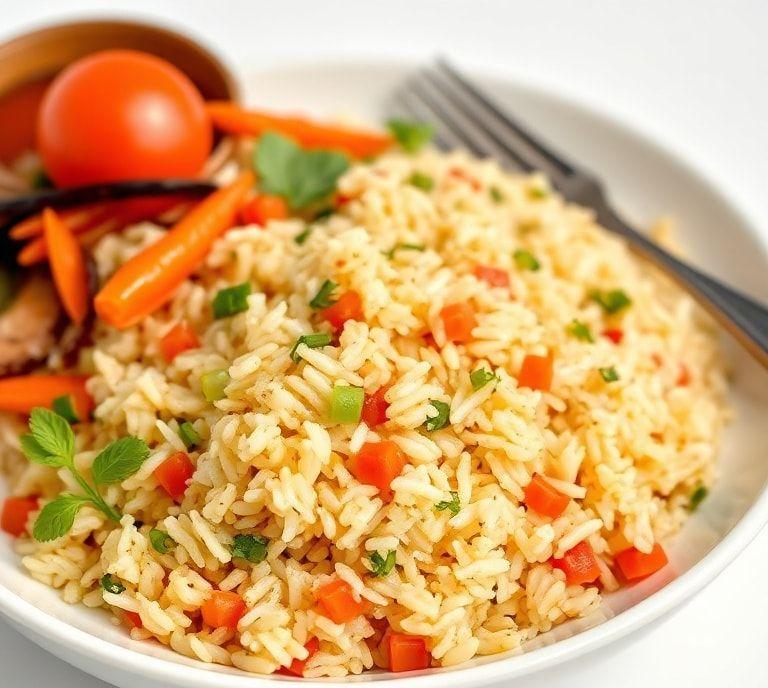
Rice pilaf is a dish that invites creativity. It’s comforting but also a bit of a showstopper when done right. This vegetarian version takes a beloved classic and adds layers of flavor with aromatic vegetables, fresh herbs, and a touch of butter for richness. It’s easy enough for a weeknight but can hold its own at any celebration meal. Trust me, it’ll disappear from the table faster than you can say "seconds, please."
Ingredients Needed
Here’s what you’ll need for a hearty, vegetable-packed rice pilaf that will have everyone asking for the recipe:
- 1 cup long-grain white rice (I prefer basmati for its fragrance, but jasmine also works well)
- 2 tablespoons olive oil (for sautéing, and a little bit of richness)
- 1 medium onion, finely chopped (adds sweetness and depth)
- 2 garlic cloves, minced (because, well, garlic makes everything better)
- 1 carrot, diced (gives a pop of color and subtle sweetness)
- 1 celery stalk, chopped (adds crunch and fresh flavor)
- 1 cup vegetable broth (or water if you don’t have broth, but broth will really elevate the dish)
- 1/2 cup frozen peas (or fresh if you have them on hand-either works)
- 1 teaspoon dried thyme (a classic herb that pairs beautifully with rice)
- 1/2 teaspoon turmeric (for a golden color and mild earthiness)
- Salt and pepper, to taste
- A handful of fresh parsley, chopped (for garnish and a fresh, bright finish)
These ingredients might seem pretty simple at first, but when they all come together, they create a symphony of flavors and textures that really showcase how minimal ingredients can still lead to something special.
Cooking Instructions
Now, let’s get to the fun part: cooking! I find that the method for making rice pilaf can be a little more involved than simply boiling rice, but trust me, it’s worth the extra steps. Here’s how I make it:
- Heat the olive oil in a large saucepan or skillet over medium heat. Once it’s shimmering, add the onions. Sauté for about 2-3 minutes until they soften and become translucent.
- Add the garlic, carrot, and celery to the pan and continue cooking for another 3-4 minutes. You want these veggies to soften but still have a bit of bite to them. The aromas will start to fill your kitchen, and it’s going to smell amazing.
- Stir in the rice and let it toast in the pan for 1-2 minutes, stirring occasionally. This toasting step is key because it locks in the flavor and gives the rice a slightly nutty flavor that really makes the pilaf shine.
- Pour in the vegetable broth (or water), add the turmeric and thyme, and stir everything together. Bring the mixture to a boil.
- Once it’s boiling, lower the heat, cover the pot, and let it simmer for about 15 minutes, or until the liquid is absorbed and the rice is tender.
- Add the peas and cook for an additional 3-5 minutes until the peas are heated through and bright green.
- Season with salt and pepper to taste. Then fluff the rice with a fork, and garnish with freshly chopped parsley.
Voila! You now have a stunning, vegetarian rice pilaf that’s ready to be served. It’s hearty enough to stand alone or can easily accompany your favorite veggie-based dishes.
Ingredient Science Spotlight
The beauty of rice pilaf lies in its balance of textures and flavors. The long-grain rice used here plays a significant role in that, as it stays fluffy and separate when cooked, unlike short-grain rice, which tends to become more sticky. The vegetable broth enhances the rice’s flavor, and the turmeric doesn’t just give the pilaf a lovely golden hue-it also adds a subtle earthiness. It’s the perfect partner to the more aromatic flavors of onion, garlic, and thyme, creating a complex flavor profile from just a few ingredients.
Something that often surprises people is how important the toasting step is. By lightly toasting the rice in the oil before adding liquid, you create a slight nuttiness and depth in the flavor, which makes the whole dish taste richer. The peas, while they don’t need to be cooked long, contribute a natural sweetness and texture contrast that elevates the entire dish.
Expert Tips
- Rest the rice: Once the pilaf is done cooking, let it sit for 5 minutes before fluffing it with a fork. This helps the grains firm up and makes the pilaf light and fluffy, not soggy.
- Broth matters: Use a good-quality vegetable broth-homemade is best, but store-bought will work too. It’s the foundation of the flavor, so don’t skimp here.
- Make it ahead: Rice pilaf is a great dish to prepare ahead of time. It actually tastes even better the next day after the flavors have had more time to meld together.
- Herb swaps: Feel free to experiment with herbs like rosemary, sage, or dill, depending on the flavors you prefer.
Recipe Variations
The best part about rice pilaf is how easily it adapts to what you have on hand. Here are a few fun twists to try:
- Mushroom Pilaf: Add sliced mushrooms along with the onions and sauté them until they release their moisture. The earthy, umami flavor of mushrooms pairs wonderfully with the rice.
- Cranberry & Almond Pilaf: For a touch of sweetness, add dried cranberries and toasted almonds to the finished pilaf. It’s perfect for a holiday or festive meal.
- Spicy Pilaf: Add a pinch of cayenne or red pepper flakes when cooking the rice for a subtle heat. You could also stir in a spoonful of harissa for a North African-inspired twist.
- Mediterranean Pilaf: Toss in some chopped olives, sun-dried tomatoes, and crumbled feta at the end for a Mediterranean flair.
Final Words
Rice pilaf may seem simple, but it’s one of those dishes that shows the magic of layering flavors. A little bit of oil, a handful of vegetables, and some stock can create something that’s much greater than the sum of its parts. It’s a versatile, cozy dish that you can make your own.
FAQs
What Are The Key Ingredients For A Basic Vegetarian Rice Pilaf?
A basic vegetarian rice pilaf typically includes long-grain rice (such as basmati or jasmine), vegetable broth, onions, garlic, and a variety of vegetables such as carrots, peas, and bell peppers. Olive oil or butter is used for sautéing, and seasonings may include herbs like thyme, parsley, cumin, and bay leaves for added flavor.
Can I Make Rice Pilaf Vegetarian Without Using Vegetable Broth?
Yes, you can make a vegetarian rice pilaf without vegetable broth. Instead of broth, you can use water and add extra seasonings or spices to enhance the flavor, such as garlic powder, onion powder, or soy sauce. Another option is to use a vegetable bouillon cube dissolved in water to replicate the depth of flavor typically provided by vegetable broth.
How Can I Customize A Vegetarian Rice Pilaf Recipe To Make It More Filling?
To make a vegetarian rice pilaf more filling, consider adding protein-rich ingredients like chickpeas, lentils, or tofu. You can also include nuts such as almonds or cashews for a crunchy texture, or dried fruits like raisins, cranberries, or apricots for a touch of sweetness. Roasted or sautéed vegetables like zucchini, eggplant, or spinach will increase the nutritional content while adding more flavor.