There’s something about making risotto that feels like a culinary rite of passage. It’s not about following a strict recipe, but rather about understanding the rhythm of cooking, the way the grains transform, and the magic of patience. I remember the first time I made risotto-it was a rainy evening, and I was alone in the kitchen, feeling oddly connected to the process. As the grains slowly absorbed the broth, I could almost feel the tension dissolve with every stir. It wasn’t just about making food; it was about creating something comforting and nourishing, a dish that feels like a hug for the soul.
Risotto is one of those dishes that can feel a little intimidating at first glance, but once you get the hang of it, it becomes one of the most versatile and rewarding meals to make. This vegetarian version is perfect for those days when you want something rich and creamy, but with the added bonus of vibrant veggies to keep it light and fresh. The ingredients come together beautifully, and the texture of the risotto is both luxurious and comforting.
Let’s dive into how you can make this dish in your own kitchen, step by step. Whether you’re an experienced cook or someone just starting to experiment with homemade meals, this recipe is both approachable and impressive.
Risotto Vegetarian Recipe
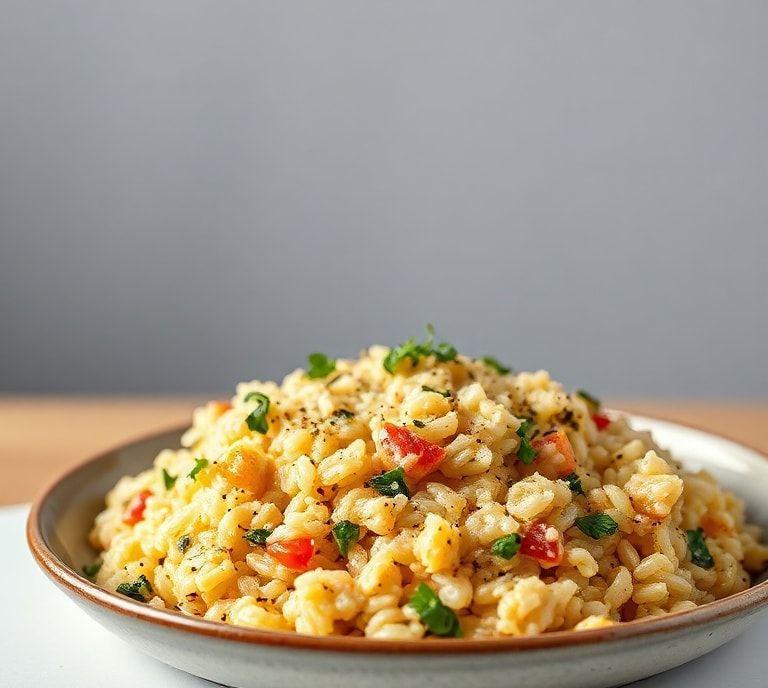
A vegetarian risotto is a great way to showcase fresh, seasonal vegetables and create a meal that feels hearty without the need for meat. The beauty of risotto lies in its flexibility. You can adapt the flavors based on what you have on hand, or what’s in season at the farmer’s market. For this particular recipe, I’ve opted for a combination of mushrooms, spinach, and peas-ingredients that bring out a comforting, earthy flavor that pairs perfectly with the creaminess of the risotto.
Ingredients Needed
This recipe serves about four people, and here’s everything you’ll need:
- 1 ½ cups Arborio rice (or any short-grain rice, but Arborio is ideal for its creamy texture)
- 4 cups vegetable broth (homemade or store-bought, but if you make your own, you’ll notice the difference!)
- 2 tablespoons olive oil (or butter, if you prefer a richer flavor)
- 1 medium onion, finely chopped
- 2 cloves garlic, minced
- 1 cup mushrooms, sliced (I recommend cremini or button mushrooms, but feel free to experiment with wild mushrooms for an extra depth of flavor)
- 1 cup fresh spinach leaves (or other greens like kale if you want to get creative)
- 1 cup frozen peas (I love the burst of sweetness they add)
- ½ cup dry white wine (optional, but it adds a lovely acidity that balances the richness of the dish)
- 1 cup Parmesan cheese (freshly grated, please! It melts so much better)
- Salt and pepper to taste
- Fresh herbs for garnish (like parsley or thyme, depending on what you like)
I know, the list seems long, but most of these are pantry staples that can be used for other meals, too. Once you gather everything, it’s just a matter of bringing it all together.
Cooking Instructions
- Start with the broth: In a medium saucepan, heat the vegetable broth over low heat. Keeping it warm while you cook the risotto helps it cook evenly and absorb the flavors more efficiently.
- Sauté the aromatics: In a large skillet or wide pan, heat the olive oil (or butter) over medium heat. Add the chopped onion and cook, stirring frequently, until it becomes translucent, about 4-5 minutes. Add the garlic and cook for another 30 seconds, just until fragrant.
- Mushrooms come in: Now, toss the sliced mushrooms into the pan. Let them cook for about 5-7 minutes until they soften and begin to release their moisture. Stir them occasionally to avoid burning, but let them sit a little to get a nice caramelization. This deepens the flavor.
- Toasting the rice: Once the mushrooms have cooked down, it’s time to add the Arborio rice. Stir it into the pan and cook for 1-2 minutes. This step is crucial because it helps the rice release its starch when it starts to absorb the broth, which gives risotto its signature creamy texture.
- Adding the wine: If you’re using wine, pour it in now. Stir constantly until the wine has mostly evaporated, leaving just a hint of its acidity behind.
- The slow-simmer process: Start ladling the warm vegetable broth into the rice, about ½ cup at a time. Stir gently, allowing the rice to absorb the liquid before adding more. This can take about 20-25 minutes, and yes, it requires some patience. Don’t rush it. You want to stir frequently, but it’s a meditative process.
- Final touches: When the rice is creamy and al dente (not too soft, but with a slight bite), stir in the spinach and peas. They’ll cook into the dish with just a few minutes of stirring. Finally, stir in the grated Parmesan, and season with salt and pepper to taste.
- Serve and garnish: Spoon the risotto onto plates or bowls, then sprinkle fresh herbs on top. A little extra Parmesan wouldn’t hurt either!
Ingredient Science Spotlight
One of the key players in this recipe is the Arborio rice, the secret to a perfect risotto. Arborio rice has a higher starch content than regular rice, which allows it to absorb liquid slowly and release that creamy texture as it cooks. This starch also helps thicken the broth, creating a velvety consistency that’s a hallmark of risotto.
The mushrooms also deserve a special mention. They contain a type of carbohydrate called mannitol, which gives them their rich, umami flavor. They also absorb liquids beautifully, so they take on the broth’s flavor and become almost meaty in texture.
And let’s not forget the Parmesan cheese-it’s packed with glutamates, which enhance the savory umami flavor in the dish. Grating it fresh is key, as pre-grated Parmesan often lacks the depth and smooth melt that freshly grated cheese provides.
Expert Tips
- Patience is key: Don’t rush the cooking process. The slow addition of liquid and constant stirring are what give risotto its signature creaminess.
- Add flavor layers: Try experimenting with other flavor additions like roasted garlic, a drizzle of truffle oil, or even a squeeze of lemon juice to brighten the dish.
- Don’t overcook the rice: The texture of risotto should be slightly al dente. Overcooking it can turn it into mush, so trust your instincts and taste as you go.
Recipe Variations
- Add roasted butternut squash: For a sweet contrast to the earthy mushrooms, roast some butternut squash cubes in the oven and fold them into the risotto at the end.
- Go Mediterranean: Try adding some sun-dried tomatoes, kalamata olives, and feta cheese for a Mediterranean twist.
- Herb variation: Use fresh basil and oregano if you want a more Italian-style risotto, or try a touch of rosemary and thyme for a cozy fall flavor.
Final Words
Making risotto can feel like a time investment, but in reality, it’s a journey worth taking. The payoff is a creamy, delicious meal that feels luxurious despite its simplicity. What’s great about this recipe is its adaptability-whether you’re throwing together dinner on a weeknight or serving it as part of a larger spread, this risotto can handle it all.
FAQs
What Ingredients Are Essential For A Basic Vegetarian Risotto?
A basic vegetarian risotto typically includes Arborio rice, vegetable broth, olive oil or butter, garlic, onions, Parmesan cheese (or a vegetarian alternative), white wine, and a selection of vegetables such as mushrooms, peas, spinach, or zucchini. You can also add herbs like thyme, rosemary, or parsley for extra flavor.
Can I Make Risotto Vegetarian Without Using Wine?
Yes, you can make risotto without wine by substituting it with vegetable broth or a splash of lemon juice for acidity. The wine in traditional risotto recipes adds a depth of flavor, but there are several alternatives like apple cider vinegar or white grape juice that can mimic its effect.
How Do I Prevent My Vegetarian Risotto From Becoming Too Sticky Or Mushy?
To prevent your vegetarian risotto from becoming sticky or mushy, make sure to cook the rice slowly by adding the broth in small increments, allowing each addition to be absorbed before adding more. Stir frequently but gently, and ensure you don’t overcook the rice; it should be tender with a slight bite (al dente) at the center.