Samosas-they’re more than just a snack, aren’t they? For me, every bite brings back memories of street markets in India, where the air is thick with the smell of spices and fried dough. Whether they’re being served at a roadside stall, at a family gathering, or as a festive treat, samosas always seem to have this magical way of making any moment feel special. But, what I love the most is that no matter where you are in the world, the essence of a samosa remains the same-a crispy exterior hiding a flavorful, spiced filling.
Making samosas at home takes that nostalgic experience to the next level. It’s one of those dishes where you don’t just follow a recipe-you feel the rhythm of the cooking process, almost as if the dish guides you along. It’s about embracing the little nuances, like the way the spices release their fragrance as they heat up, or the joy of watching that perfect golden-brown crust form around the filling. And, the best part? You can make them however you like, and in this recipe, we’re going vegetarian, packing in all the flavor and textures you could ever want.
Samosa Filling Vegetarian Recipe
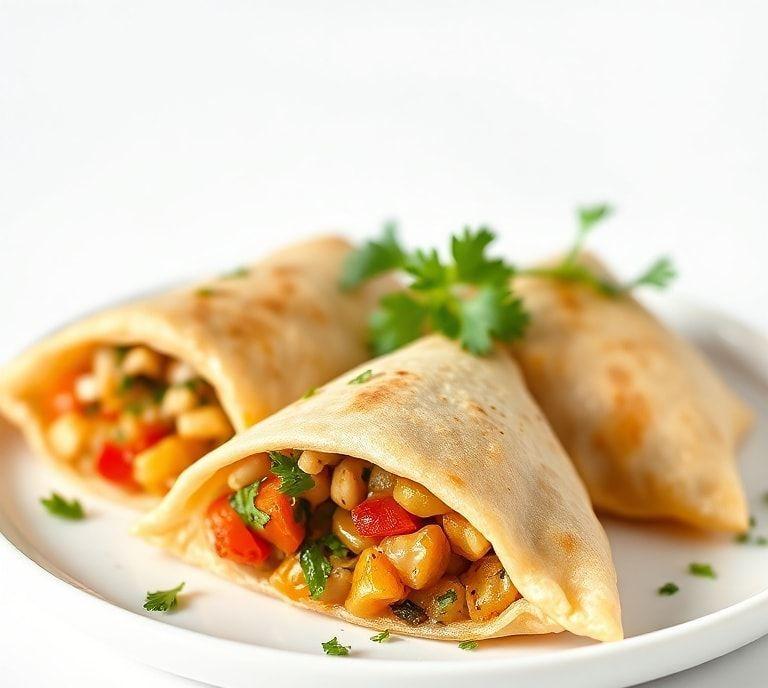
Now, let’s dive into the heart of the samosa: the filling. This vegetarian version is bursting with warmth from the spices and heartiness from the potatoes, peas, and other vegetables. I’ve always felt that the beauty of a samosa lies in its simplicity-how the ingredients come together to create something so satisfying yet light.
If you’ve ever been to a small family gathering in an Indian household, you’ll know that there’s no such thing as a "one-size-fits-all" samosa filling. Each home has its twist, whether it’s the addition of sweet raisins or the use of a secret spice mix. But for this recipe, we’re sticking to the classic, where the flavors speak for themselves.
Ingredients Needed
For the filling:
- Potatoes (4 medium-sized, peeled and diced): These act as the base of the filling, soft and fluffy once cooked, and they carry the flavors of the spices beautifully.
- Frozen peas (1/2 cup): Sweet, vibrant peas offer a burst of color and a delicate sweetness that balances the spiciness of the other ingredients.
- Onion (1 large, finely chopped): The foundational flavor of most Indian dishes, onions give depth and a slight sweetness when sautéed.
- Garlic (3 cloves, minced): A little kick of savory goodness to keep the filling interesting.
- Fresh ginger (1 tablespoon, grated): Ginger adds a zesty freshness that lifts the entire filling.
- Green chilies (1-2, finely chopped): If you like a little heat, these bring a nice bite. Adjust based on your spice tolerance.
- Cilantro (1/4 cup, chopped): A handful of fresh cilantro adds a herby, cooling element that contrasts the spices.
- Turmeric (1 teaspoon): Earthy, golden turmeric adds color and an aromatic warmth.
- Ground cumin (1 teaspoon): That slightly smoky, nutty note that defines many Indian dishes.
- Ground coriander (1 teaspoon): A citrusy, earthy spice that complements the cumin.
- Garam masala (1 teaspoon): The magical spice blend that rounds everything out with its aromatic complexity.
- Salt (to taste): To bring all the flavors together.
- Lemon juice (1 tablespoon): A dash of tangy citrus to elevate the overall flavor profile.
- Vegetable oil (for frying): To crisp up the samosas into that perfect golden brown.
For the samosa dough:
- All-purpose flour (1 1/2 cups): The base of your dough, which will hold everything together.
- Ajwain seeds (1/2 teaspoon, optional): These tiny seeds add a subtle, slightly bitter, and aromatic flavor to the dough.
- Salt (1/2 teaspoon): To season the dough and make it more flavorful.
- Carom seeds (optional): These seeds are a nice addition for authentic flavor, but they’re not absolutely necessary.
- Water (enough to knead): Gradually add water to form a smooth, firm dough.
- Ghee or oil (1 tablespoon): This is what makes the dough rich and gives it that flaky texture when fried.
Cooking Instructions
Let’s get into the process. It’s simpler than it sounds-just a few steps and some patience for those perfect, crispy little pockets.
- Prepare the filling: Start by boiling your potatoes. This takes about 10-12 minutes-enough to soften them, but not so much that they turn into mush. Once done, drain and mash them coarsely. In a pan, heat a tablespoon of oil over medium heat. Add the onions and sauté them until golden brown. Next, toss in the garlic, ginger, and green chilies and cook for another minute, allowing the aroma to fill the kitchen. Now, throw in the turmeric, cumin, coriander, and garam masala. Let them cook for a couple of minutes until the spices are fragrant. Add the peas, and cook for a further 2 minutes. Once everything is well combined, fold in the mashed potatoes and cilantro. Stir well and let the mixture cool to room temperature. Add salt and a squeeze of lemon juice to taste.
- Make the dough: In a mixing bowl, combine the flour, salt, and ajwain seeds (if using). Gradually add water, little by little, mixing with your hands until a smooth, firm dough forms. Once it’s smooth and elastic, cover the dough with a damp cloth and let it rest for at least 20 minutes. This step is key to getting that flaky, crispy texture.
- Shape and fill the samosas: Once the dough has rested, divide it into small balls (about the size of a golf ball). Roll each ball into a thin oval or circle. Cut it in half, forming two semi-circles. Fold one semi-circle into a cone shape, sealing the edge with a little water. Now, fill the cone with your cooled potato-pea mixture. Pinch the open edge together to seal the samosa, making sure it’s tightly closed. Repeat with the remaining dough and filling.
- Fry the samosas: Heat oil in a deep pan or wok on medium heat. The oil should be hot but not smoking-around 350°F (175°C). Fry the samosas in batches, turning them occasionally until they are golden brown and crispy. This should take about 4-6 minutes per batch.
Ingredient Science Spotlight
What I find fascinating about samosas is the perfect harmony of simple ingredients that each play an important role in both flavor and texture.
- Potatoes: The soft, starchy potatoes act as the perfect carrier for the spices. They have the ability to absorb flavors while maintaining a light, fluffy texture.
- Cumin and Coriander: These two spices don’t just add flavor-they are essential for balancing the richness of the potatoes. Cumin adds earthiness and a warm, slightly smoky taste, while coriander brings in a bright, citrusy note.
- Turmeric: More than just a color enhancer, turmeric has compounds like curcumin, which has been linked to anti-inflammatory benefits. It’s a great way to boost the health factor while adding that distinctive golden hue.
- Chilies and Garlic: Both chilies and garlic have heat and sharpness, which contrast wonderfully with the earthy, mild potatoes. Garlic’s natural oils also provide depth to the overall filling.
Expert Tips
- Don’t overstuff: One of the most common mistakes when making samosas is overstuffing them. Keep your filling light and make sure there’s enough room to seal the edges without bursting.
- Rest the dough: The resting period isn’t just for convenience-it’s for texture. Rested dough becomes much easier to work with and results in a flakier crust.
- Fry in batches: Frying too many at once will drop the oil temperature and result in soggy samosas. Fry in small batches to maintain the crispiness.
- Make ahead: Samosas freeze beautifully. After filling and shaping them, place them on a tray in the freezer. Once frozen solid, transfer them to a zip-top bag for storage. When ready to eat, fry them straight from frozen.
Recipe Variations
- Add spices: Try incorporating ground fennel seeds or cinnamon into the filling for a different flavor profile.
- Non-potato fillings: You can replace potatoes with sweet potatoes or even a mixture of sautéed mushrooms and spinach for a lighter, gluten-free alternative.
- Chutney: Serve your samosas with a side of tangy tamarind chutney or fresh mint chutney to elevate the experience.
Final Words
What I love most about samosas is how they bring people together. Whether it’s a casual gathering or a big family event, there’s something about sharing a plate of these crispy, spiced parcels that makes everyone feel connected. And the best part? You don’t have to be a chef to make them at home. With the right technique, a little patience, and some good-quality ingredients, you can recreate that magic in your own kitchen.
FAQs
What Are The Main Ingredients For A Vegetarian Samosa Filling?
The main ingredients for a vegetarian samosa filling typically include boiled potatoes, peas, onions, carrots, and a variety of spices such as cumin, coriander, turmeric, garam masala, chili powder, and salt. Fresh herbs like cilantro and mint may also be added for flavor. Some recipes might include other vegetables like bell peppers or green beans.
Can I Make A Samosa Filling Without Potatoes?
Yes, you can make a samosa filling without potatoes. Alternatives such as sweet potatoes, pumpkin, cauliflower, or even lentils can be used as the base. These alternatives offer different textures and flavors while still maintaining the traditional samosa filling’s savory profile. Make sure to adjust the seasoning accordingly.
How Can I Make The Vegetarian Samosa Filling Spicier?
To make the vegetarian samosa filling spicier, you can increase the amount of chili powder, cayenne pepper, or green chilies. Adding freshly chopped green chilies to the filling during cooking will enhance the heat. You can also include a pinch of black pepper or garam masala to give the filling a deeper, spicier flavor.