If you’ve ever wandered through an Asian market, you might have stumbled upon a vibrant green herb tucked away in the fresh produce section-shiso. Its rich, minty, and somewhat peppery flavor is like a surprise twist in the plot of your favorite culinary story. Shiso, often used in Japanese and Korean cuisines, is a lesser-known herb in many Western kitchens, but when you know how to use it, it can transform simple dishes into something extraordinary.
In today’s post, I’ll walk you through one of my favorite ways to enjoy shiso-wrapped in a delicious vegetarian roll. This dish blends fresh vegetables with the herb’s bold flavor, making it a perfect option for anyone looking for a light, healthy, and refreshing meal. Whether you’re a seasoned chef or a home cook just discovering the joys of shiso, I’ll show you how to work this herb into a dish that might just become a weekly staple in your home.
Shiso Vegetarian Recipe
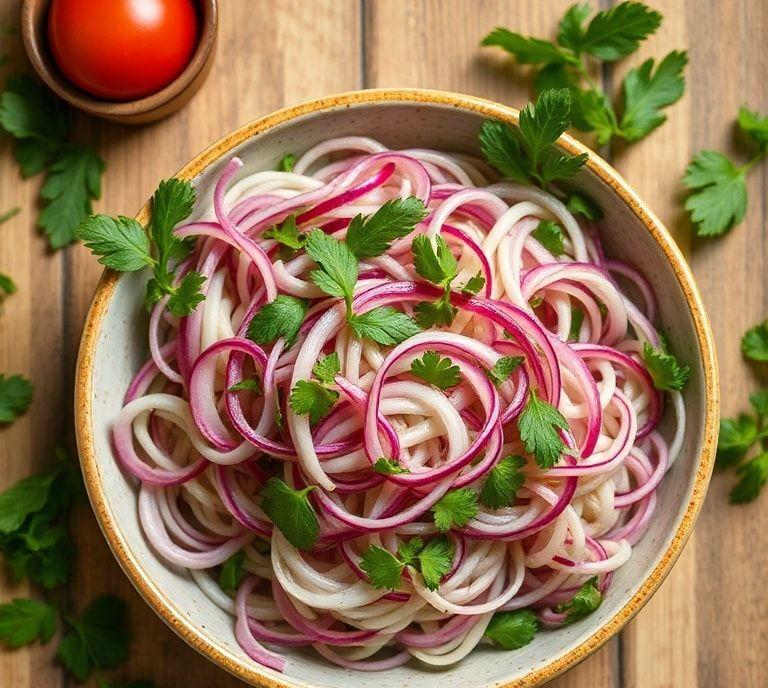
When I first encountered shiso in a small Japanese restaurant during my travels, I was immediately taken by its fragrance. It reminded me of a cross between basil and mint, with a sharp, almost citrusy undertone. The flavors lingered long after I had finished the dish, leaving me craving more. That’s when I realized that the key to truly appreciating this herb is to let it take center stage, rather than hiding it behind too many competing flavors. This simple vegetarian recipe showcases shiso’s unique character, allowing it to shine without overpowering the other ingredients.
Ingredients Needed
To make this recipe, you’ll need a handful of simple ingredients, most of which you can find at an Asian grocery store or even a well-stocked supermarket. Here’s what you’ll need:
- Fresh Shiso leaves – Of course, shiso is the star of the show. You can typically find green shiso leaves, but purple varieties are also available and offer a more intense flavor.
- Rice paper wraps – These are the base for our rolls and are easily found in the international foods section.
- Carrots – Fresh and crisp, they provide a nice crunch.
- Cucumber – For that refreshing bite and balance to the bold flavors of shiso.
- Avocado – Creamy, smooth, and the perfect complement to the sharpness of the herb.
- Cooked quinoa – A great gluten-free alternative to rice, quinoa gives the rolls a bit more texture and protein.
- Soy sauce or tamari – For dipping and that salty, umami kick.
- Sesame seeds – For garnish, and they bring a toasty flavor that contrasts beautifully with the freshness of the vegetables.
- Lime juice – A little acidity helps balance the rich flavors of the avocado and quinoa.
Cooking Instructions
Making these vegetarian rolls is simpler than you might think. Here’s a step-by-step breakdown:
-
Prep Your Ingredients
Start by washing and thinly slicing the carrots and cucumber into matchstick-sized pieces. Cut the avocado into small chunks. If you haven’t already cooked your quinoa, do so now according to package instructions, and let it cool.
-
Soften The Rice Paper
Fill a shallow dish with warm water. Dip one rice paper wrapper into the water for about 5 seconds, until it softens and becomes pliable. Be careful not to over-soak it, as it can tear easily once wet.
-
Assemble The Rolls
Lay the softened rice paper on a flat surface, such as a clean kitchen towel or a cutting board. In the center of the wrapper, layer a few shiso leaves (two or three), followed by a tablespoon of cooked quinoa, a few slices of carrot and cucumber, and a chunk of avocado.
-
Roll It Up
Fold in the sides of the rice paper, then carefully roll from the bottom up, tucking the ingredients in as you go. Don’t roll it too tightly-leave enough space for the ingredients to breathe.
-
Serve
Once all your rolls are assembled, cut them into bite-sized pieces and arrange them on a platter. Sprinkle with sesame seeds and a squeeze of lime juice for an added burst of flavor. Serve with soy sauce or tamari for dipping.
Ingredient Science Spotlight
Each ingredient in this recipe serves a purpose, both in terms of flavor and nutrition. Let’s take a closer look at the science behind a few of them:
- Shiso Leaves: Shiso is known for its high levels of antioxidants, which help fight off free radicals in the body. It also contains compounds that promote digestive health. Beyond that, it has a calming effect, which is why it’s often used in traditional Japanese medicine for its ability to soothe the stomach.
- Avocado: The creamy texture of avocado is more than just pleasant-it’s packed with healthy fats, specifically monounsaturated fats that help reduce inflammation and support heart health. It also contains fiber, which aids digestion.
- Quinoa: This grain is a complete protein, which means it contains all nine essential amino acids, making it an excellent source of plant-based protein. Quinoa is also rich in magnesium, which plays a key role in muscle and nerve function.
- Carrots and Cucumbers: These vegetables are rich in vitamins and antioxidants. Carrots, for instance, are high in beta-carotene, which promotes good vision, while cucumbers are hydrating and low in calories, making them a perfect addition to this light, refreshing dish.
Expert Tips
- Don’t Overstuff: When filling the rolls, less is more. If you add too many ingredients, they can be hard to roll up, and you may end up with a soggy wrapper. Keep it light to ensure the rolls hold together well.
- Rice Paper Substitutes: If rice paper is hard to find or you’re looking for a different texture, you can use lettuce leaves or nori sheets instead. Both alternatives offer a different but equally enjoyable experience.
- Chill Before Serving: Let the rolls chill in the fridge for about 15 minutes before serving. This allows them to firm up and makes them easier to slice cleanly.
- Flavor Balance: Play around with the ratios of shiso to other ingredients. If you’re a fan of shiso’s bold flavor, go heavy on the leaves. For a subtler flavor, use fewer shiso leaves.
Recipe Variations
While this shiso vegetarian roll recipe is already quite versatile, here are a few variations you can try depending on what you have on hand or what flavor direction you want to take:
- Add Tofu: For a protein-packed option, add strips of firm tofu to your rolls. It soaks up the flavors of the other ingredients and gives the dish a little more bite.
- Noodles: Substitute quinoa for cooked soba noodles for a heartier meal. The buckwheat flavor of soba complements the fresh vegetables and shiso beautifully.
- Spicy Version: Add a bit of wasabi or sriracha to the avocado or soy sauce for a spicy kick. If you like heat, this version will definitely excite your taste buds.
- Pickled Vegetables: Try adding some pickled radishes or pickled ginger for a tangy contrast to the freshness of the other ingredients. The acidity can help cut through the richness of the avocado and quinoa.
Final Words
Making these shiso vegetarian rolls is a breeze, but the results are anything but ordinary. They’re a celebration of fresh, vibrant flavors, and they introduce you to an herb that can easily become a star in your kitchen. Whether you’re trying shiso for the first time or you’re an experienced fan, these rolls offer an easy, delicious way to appreciate the herb’s unique character.
FAQs
What Is Shiso, And How Is It Used In Vegetarian Recipes?
Shiso, also known as perilla, is a leafy herb commonly used in Asian cuisine, especially in Japan, Korea, and China. It has a distinct flavor profile with hints of basil, mint, and anise. In vegetarian recipes, shiso leaves are used as a garnish, flavoring for sauces, or incorporated into dishes like salads, sushi rolls, or stir-fries. Its aromatic and refreshing taste pairs well with tofu, vegetables, and grains.
Can Shiso Be Used In Vegan Dishes?
Yes, shiso is an excellent ingredient for vegan dishes. Its bold flavor can enhance a wide range of plant-based meals. For example, shiso can be added to vegan sushi rolls, blended into tofu or tempeh marinades, or mixed into salads and noodle dishes. Its versatility makes it a great addition to vegan and vegetarian cuisines.
How Should Shiso Leaves Be Prepared For Cooking?
Shiso leaves should be gently washed and dried before use in cooking. Depending on the recipe, they can be used whole, chopped, or even fried. If using fresh shiso as a garnish, you can tear or chiffonade the leaves to add a burst of flavor. When incorporating shiso into cooked dishes, it’s best to add it at the end of cooking to preserve its delicate flavor and aroma.