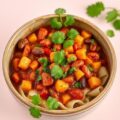
Thai cuisine holds a special place in my heart-not just for its complex, aromatic flavors, but for the memories it evokes of traveling through Thailand and discovering the secrets of its street food stalls. The scents of fresh basil, lemongrass, and coconut milk still linger in my mind, creating a tapestry of rich, vibrant memories. But here’s the thing: making these dishes at home doesn’t require a trip to Thailand or years of culinary experience. With the right ingredients and a bit of patience, anyone can create a comforting, flavorful bowl of Thai green curry.
One dish I’ve found myself returning to time and again is a simple vegetarian Thai green curry. It’s incredibly versatile, easy to make, and, best of all, comforting. Whether you’re a vegetarian, trying to eat more plant-based meals, or just in the mood for something light yet flavorful, this recipe hits the mark.
Let me take you through the steps of creating your own bowl of aromatic, vibrant curry.
Simple Vegetarian Thai Green Curry Recipe

This vegetarian Thai green curry recipe is one of those perfect weeknight dinners that doesn’t compromise on flavor. It’s fragrant, hearty, and utterly satisfying. Plus, the beauty of it lies in its simplicity-you can adjust the heat, the sweetness, and the richness to suit your personal taste. I’m all about the balance of sweet, salty, spicy, and umami, and Thai curry gives you a platform to play with all these flavors.
Ingredients Needed
The ingredients for this curry are incredibly straightforward, though some might be less familiar if you don’t regularly cook Thai food. The base is coconut milk, which provides a creamy, slightly sweet backdrop to the heat of the green curry paste. Then there’s the magic of the fresh herbs and veggies, along with a splash of soy sauce and lime to tie it all together.
Here’s what you’ll need:
- Green Curry Paste (2-3 tablespoons) – This is the foundation of the dish. While you can make your own from scratch, a store-bought paste works wonders, especially if you’re short on time. The paste is a vibrant blend of green chilies, lemongrass, garlic, ginger, and spices like coriander and cumin.
- Coconut Milk (1 can, full-fat) – Full-fat coconut milk gives this curry its richness. The coconut flavor is subtle but essential, creating the creamy texture that’s so characteristic of Thai curries.
- Vegetables (2 cups) – I love using bell peppers, zucchini, carrots, and eggplant, but you can swap in whatever you have in your fridge. Thai curries are perfect for using up leftover veggies.
- Tofu (1 block) – I always go for firm tofu here, as it holds up well in the curry. You can either fry it first for extra texture or simply simmer it in the curry sauce. Either way, it adds protein and a little substance.
- Vegetable Broth (1 cup) – This thins out the curry, making it more of a saucy consistency without overpowering the coconut milk.
- Soy Sauce (2 tablespoons) – For depth and umami. I prefer low-sodium soy sauce, so the curry isn’t overly salty.
- Fresh Basil (1/4 cup) – Thai basil is ideal if you can get it; otherwise, regular basil will do just fine. Its peppery, aromatic flavor is one of the key notes in this dish.
- Lime Juice (1 tablespoon) – A squeeze of lime adds brightness and a little tang to cut through the richness of the coconut milk.
- Rice (for serving) – Jasmine rice is my go-to here, its fragrant, soft texture complements the curry perfectly. You can also serve it with quinoa or even cauliflower rice for a low-carb alternative.
Cooking Instructions
Now that we have our ingredients, let’s get cooking. This recipe is simple and quick-perfect for a busy weekday dinner.
- Prep the Veggies and Tofu: Start by chopping your veggies into bite-sized pieces. For the tofu, press it between paper towels to remove excess moisture, then cut it into cubes.
- Sauté the Curry Paste: In a large pot or wok, heat a little oil over medium heat. Add the green curry paste and sauté it for 2-3 minutes, allowing the spices to bloom. You’ll start to smell all those familiar, tantalizing aromas filling your kitchen.
- Add the Coconut Milk and Broth: Pour in the coconut milk and vegetable broth. Stir well to combine with the curry paste, creating a creamy base.
- Simmer the Tofu and Veggies: Add the tofu cubes and your chopped veggies. Bring the curry to a gentle simmer, and cook for 10-15 minutes, or until the veggies are tender but still vibrant.
- Season the Curry: Add the soy sauce and lime juice. Taste and adjust the seasoning as needed-more lime for tang, more soy sauce for salt, or more curry paste for heat.
- Finish with Fresh Basil: Just before serving, stir in the fresh basil leaves. They’ll wilt quickly, adding a fresh, peppery note that brings everything together.
- Serve: Serve the curry over a bed of jasmine rice. If you’re feeling fancy, garnish with more basil or a wedge of lime.
Ingredient Science Spotlight
Now, let’s dive into the science behind some of these ingredients and why they work so well together. Thai curry is an exercise in balancing diverse flavors, and each ingredient plays a critical role.
- Coconut Milk: The high fat content of coconut milk is what makes this curry so luxurious and velvety. Coconut fat is rich in medium-chain triglycerides (MCTs), which are known for being easily digestible and providing a quick energy source. It also adds a subtle sweetness that balances out the heat of the curry paste.
- Green Curry Paste: The green chilies in curry paste are packed with capsaicin, which is what gives them their heat. But it’s not just about heat-capsaicin also triggers the release of endorphins, which make us feel good when we eat spicy food. That little kick of heat is tempered by the sweetness of the coconut milk, creating the perfect balance.
- Basil: The aromatic oils in fresh basil are what give it that slightly peppery, anise-like flavor. These oils are also full of antioxidants and have anti-inflammatory properties, making your curry not just delicious, but also a little bit healing.
Expert Tips
- Don’t Skimp on the Curry Paste: The paste is the heart and soul of this dish. Don’t try to save on it-use the full 2-3 tablespoons to get the depth of flavor you need. If you like a spicier curry, add more, or use a hotter paste.
- Fry the Tofu: If you’ve got the time, fry your tofu until it’s crispy on the outside before adding it to the curry. This adds a satisfying crunch and extra texture to the dish.
- Customizable Veggies: Feel free to switch up the veggies depending on what you have. Sweet potatoes, broccoli, or even baby corn work beautifully in this curry.
- Go for Fresh Lime Juice: Fresh lime juice is key here. Bottled lime juice lacks the brightness and zing that fresh limes provide, so make sure you squeeze it yourself.
Recipe Variations
- Spicy Green Curry: If you like your curry extra fiery, add extra green chilies or a dash of chili paste to the curry base.
- Protein Variations: You can swap tofu for other plant-based proteins, like tempeh, or even add chickpeas or lentils for a different texture.
- Sweetness: Add a bit of brown sugar if you want a sweeter curry, or stir in a chopped pineapple towards the end of cooking for a tropical twist.
- Herb Variations: If basil isn’t your thing, try cilantro for a different kind of fresh pop or even mint for a unique twist.
Final Words
The beauty of this simple vegetarian Thai green curry lies in its flexibility. Whether you’re making it for yourself or a group of friends, it’s a dish that can be customized to your preferences. It’s about finding that balance between creamy, spicy, and tangy, with every bite offering something a little different.
FAQs
What Are The Key Ingredients In A Simple Vegetarian Thai Green Curry?
A simple vegetarian Thai green curry typically includes coconut milk, Thai green curry paste, a variety of fresh vegetables (such as bell peppers, zucchini, and eggplant), tofu or tempeh for protein, and herbs like basil and cilantro. The curry is usually flavored with garlic, ginger, lime leaves, and a touch of soy sauce or fish sauce substitute for depth.
Can I Make My Own Green Curry Paste For This Recipe?
Yes, you can make your own Thai green curry paste by blending ingredients such as fresh green chilies, garlic, ginger, lemongrass, kaffir lime leaves, shallots, and coriander roots. This homemade paste will give your curry a fresh, authentic flavor. However, store-bought green curry paste can be a convenient and time-saving alternative.
How Do I Adjust The Spice Level In A Vegetarian Thai Green Curry?
The spice level of a Thai green curry can be adjusted based on personal preference. To reduce the heat, you can use fewer green chilies in the curry paste or choose a milder curry paste. Conversely, to increase the spice level, you can add more green chilies or a pinch of chili flakes. The coconut milk in the curry helps balance the spice, so adjust the amount of coconut milk if necessary to suit your desired heat level.