Cooking has always been a love of mine, but sometimes, I crave something simple, nourishing, and full of flavor without too much hassle. That’s how I stumbled upon the charm of soba noodles. A dish that, to me, is the epitome of comfort-light yet filling, and packed with textures and flavors that transport you straight to a small, cozy eatery in the heart of Japan.
There’s something about the earthy, nutty taste of buckwheat that makes soba noodles so special. And the best part? You can play with it in countless ways. One of my favorite go-to variations is a vibrant vegetarian soba recipe that combines fresh vegetables, a rich, umami-packed dressing, and perfectly cooked noodles. Whether you’re in the mood for a quick meal or something that’ll impress guests at dinner, this soba dish has you covered.
So let’s dive into how to make this simple, flavorful vegetarian soba, with a few tips and tricks along the way to elevate your culinary game.
Soba Vegetarian Recipe
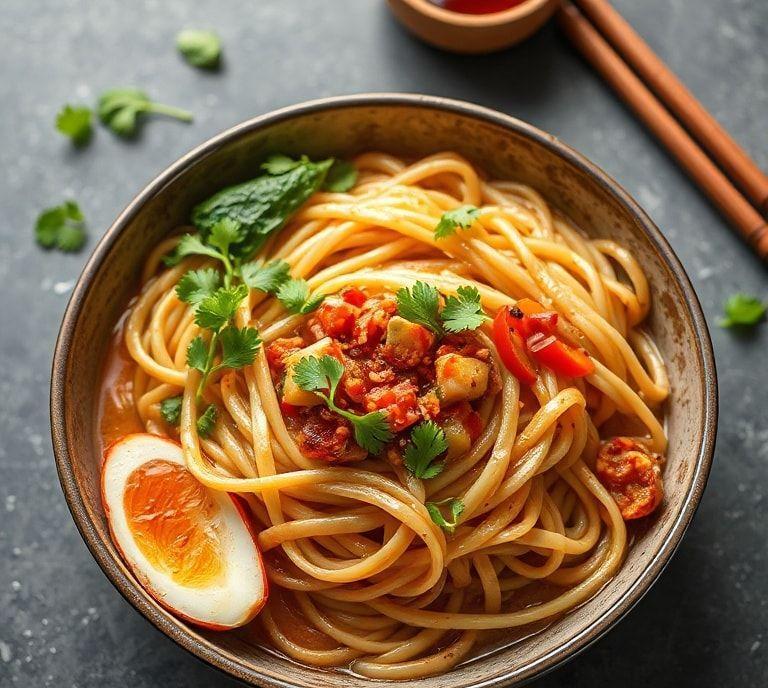
This soba vegetarian recipe is an effortless harmony of textures-smooth noodles paired with crisp, refreshing veggies, all enveloped in a savory sauce. The ingredients are minimal, but the flavors are so much more than the sum of their parts. I remember the first time I made this; I was in the kitchen with just a few ingredients and thought, "Can this really be enough to create something satisfying?" Well, it turns out it absolutely is.
Here’s how to prepare this beautiful dish for yourself:
Ingredients Needed
- 200g soba noodles (buckwheat noodles, the star of the show)
- 1 cup edamame (shelled; they add a great bite and protein)
- 1 small cucumber (julienned for a crisp, refreshing crunch)
- 1 small carrot (thinly sliced or julienned, for some sweetness and color)
- 1/2 cup red bell pepper (sliced into thin strips)
- 1 tablespoon sesame oil (for a slightly nutty aroma)
- 2 tablespoons soy sauce (go for low-sodium if you’re watching your salt)
- 1 tablespoon rice vinegar (this adds a lovely tang to balance the flavors)
- 1 tablespoon maple syrup or honey (optional, but adds a subtle sweetness)
- 1 tablespoon toasted sesame seeds (for garnish)
- 1 teaspoon grated ginger (for a bit of zing)
- Fresh cilantro or green onions (optional, for garnish)
Cooking Instructions
-
Cook The Soba Noodles
Begin by boiling a large pot of water. Add your soba noodles and cook them according to the package instructions-usually about 5-6 minutes, depending on the brand. Once they’re done, drain them well and rinse them under cold water to stop the cooking process. This step is crucial for keeping the noodles firm and not overly starchy.
-
Prepare The Veggies
While the noodles are cooking, slice your vegetables-carrot, cucumber, and red bell pepper-into thin strips. I like to julienne the carrot and cucumber for a nice bite, but you can also use a peeler for thin ribbons. This is where you can really get creative, depending on your veggie preferences.
-
Make The Dressing
In a small bowl, whisk together sesame oil, soy sauce, rice vinegar, and maple syrup (if using). Grate the ginger and mix it in as well. You want the dressing to be a balance of savory, tangy, and just a touch sweet. It’ll coat the noodles and veggies, adding so much depth to each bite.
-
Assemble The Dish
Once the noodles are cool, toss them in a large bowl. Add the edamame, vegetables, and the dressing. Gently toss everything together, making sure the noodles are well coated in the sauce. The vegetables should stay crisp, and the soba noodles should absorb all that deliciousness.
-
Garnish
Top your dish with a sprinkle of toasted sesame seeds, and if you like, a bit of fresh cilantro or sliced green onions for a pop of color and freshness.
Ingredient Science Spotlight
Let’s take a moment to talk about the key ingredients in this recipe. There’s a lot happening here on the molecular level, and it’s fascinating how all of it comes together to create something that’s so much more than the sum of its parts.
- Soba Noodles (Buckwheat): These noodles are made from buckwheat, which isn’t actually a wheat but a grain-like seed. It’s naturally gluten-free, which makes it a fantastic option for those with dietary restrictions. Buckwheat contains rutin, an antioxidant that supports blood circulation, and the fiber in soba helps keep things moving in the digestive system. Plus, they have a delicious nutty flavor that pairs so well with lighter ingredients.
- Edamame (Soybeans): Edamame is a powerhouse of protein, making it an excellent substitute for meat in vegetarian dishes. The soybeans are packed with essential amino acids, making them a complete protein source. They also contain healthy fats and fiber, contributing to the overall satisfaction of the dish.
- Sesame Oil & Seeds: Sesame oil is rich in antioxidants and healthy fats, particularly polyunsaturated fats. The seeds themselves are packed with calcium, magnesium, and zinc, making them a great addition to any meal.
- Rice Vinegar & Soy Sauce: These two ingredients bring a touch of umami and acidity to balance out the natural sweetness of the veggies and maple syrup. The fermentation process behind soy sauce also introduces beneficial probiotics, which can help with gut health.
Expert Tips
- Don’t Overcook the Noodles: Soba noodles cook quickly, and overcooking them will make them soggy. Keep an eye on them, and as soon as they’re tender, drain them and rinse under cold water.
- Make It a Make-Ahead Dish: If you’re prepping this in advance, keep the dressing separate until just before serving. This will prevent the noodles and veggies from soaking up too much liquid and becoming soggy.
- Adding Protein: If you want to make this more filling, you could add grilled tofu or tempeh on top. If you’re not vegetarian, grilled chicken or even a soft-boiled egg would be delicious.
- Customize the Veggies: This dish is highly adaptable. If you have any other veggies on hand, feel free to toss them in-zucchini, snap peas, or even some thinly sliced mushrooms could all work beautifully.
Recipe Variations
- Spicy Soba Salad: If you like a bit of heat, add a teaspoon of chili paste or sriracha to the dressing. You can adjust the spice level to your liking by adding more or less.
- Noodle Soup Version: Instead of a cold soba salad, you can transform this into a warm noodle soup by adding a hot broth made from miso or vegetable stock. Pour it over the noodles and veggies, and enjoy a comforting bowl of soba soup.
- Peanut Dressing: For a creamy twist, make a peanut-based dressing by blending peanut butter with soy sauce, sesame oil, rice vinegar, and a little water to thin it out. It adds a rich, nutty flavor that pairs beautifully with the soba noodles.
Final Words
This soba vegetarian recipe is a keeper in my kitchen. It’s fast, satisfying, and always hits the spot. It’s the kind of dish that feels like a little gift-simple but comforting, packed with nutrients, and bursting with flavor. What I love most is how customizable it is. You can switch up the veggies, adjust the dressing to your tastes, or even make it spicy if that’s your thing. It’s flexible and forgiving, which makes it perfect for beginners and seasoned cooks alike.
FAQs
Can Soba Noodles Be Made Completely Vegetarian?
Yes, soba noodles can be completely vegetarian. Traditional soba noodles are made from buckwheat flour and water, which are naturally plant-based. However, some commercially available soba noodles may include egg or wheat flour, so it is important to check the ingredient list to ensure they are fully vegetarian. Using 100% buckwheat soba guarantees a gluten-free and vegetarian-friendly option.
What Are Some Vegetarian Toppings Or Ingredients To Use With Soba Noodles?
Vegetarian soba recipes often incorporate a variety of vegetables, tofu, and plant-based proteins. Common toppings include sautéed mushrooms, steamed or blanched greens (such as spinach or bok choy), grated carrots, shredded nori (seaweed), sesame seeds, green onions, and edamame. Tofu, tempeh, or seitan can provide additional protein, while pickled vegetables or a light sesame-based dressing can enhance flavor.
How Can I Make A Flavorful Vegetarian Broth For Soba Noodles?
A flavorful vegetarian broth for soba noodles can be made using kombu (kelp), dried shiitake mushrooms, soy sauce, mirin, and a small amount of salt. Start by soaking kombu and dried mushrooms in water for at least 30 minutes, then gently simmer to extract the umami flavors. Strain the liquid and season with soy sauce and mirin to taste. For extra depth, you can add grated ginger, garlic, or a splash of rice vinegar, resulting in a rich, savory base suitable for both hot and cold soba dishes.