Soondubu Jjigae, also known as soft tofu stew, holds a special place in Korean cuisine. It’s the kind of dish that has the power to comfort you after a long day or even when you’re just craving something hearty and soothing. The beauty of soondubu jjigae lies in its simplicity-soft tofu, rich broth, and just the right balance of heat and seasoning. But what makes it stand out is the versatility it offers. Whether you’re a vegetarian or a meat lover, you can adjust it to your taste while still keeping that unmistakable, satisfying flavor.
The joy of cooking Soondubu Jjigae is that it’s one of those dishes that you can really make your own. You can add more spice if you’re feeling daring or lighten it up if you’re in the mood for something milder. It’s one of those dishes that tastes just as good at home on a quiet evening as it does in a bustling Korean restaurant.
Today, we’re diving into a vegetarian twist on this classic dish. So, let’s step into the kitchen and explore how to make a vegetarian version of this Korean favorite, from the ingredients to the expert tips.
Soondubu Jjigae Vegetarian Recipe
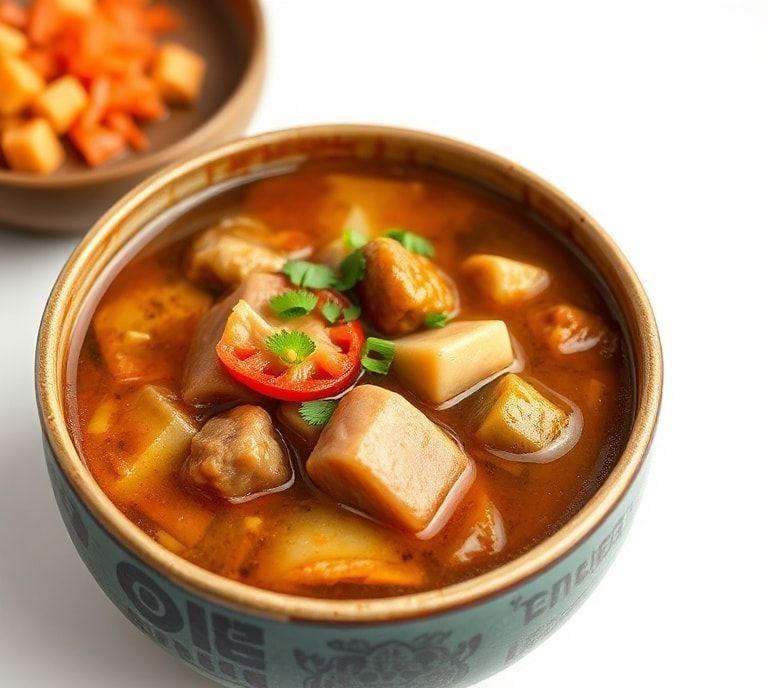
I’ve always been someone who believes that the magic of a recipe isn’t just in the ingredients but in the intention behind the cooking. When I first tried making soondubu jjigae at home, it was a bit intimidating-the flavors seemed so complex, and I wasn’t sure how I’d be able to capture that depth of taste. But as soon as I tasted the final dish, I knew it was worth the effort.
For this vegetarian version, I wanted to keep it close to the heart of the dish, but also make sure it could stand on its own without the need for meat. Instead of the usual seafood or beef-based broth, this recipe uses vegetable stock, and the tofu itself becomes the star of the show. The broth is still as rich and flavorful as ever, thanks to the savory umami of ingredients like fermented soybean paste and gochujang (Korean chili paste).
Ingredients Needed
Before you jump into the cooking, let’s gather the essentials. Here’s what you’ll need:
- Soft tofu (1 block): This is the key ingredient. The texture should be silky, almost custard-like. It absorbs the broth so beautifully that each bite feels like a warm, comforting hug.
- Vegetable stock (2 cups): This will serve as the base of the stew. You can either use a store-bought variety or make your own for a richer, more personalized flavor.
- Gochujang (1 tbsp): The Korean chili paste adds depth and a bit of heat. If you’re not into spice, you can adjust the amount or even leave it out.
- Soy sauce (2 tsp): A little soy sauce adds saltiness and umami to the dish. You can also use tamari if you’re gluten-free.
- Sesame oil (1 tsp): This brings that nutty, aromatic depth to the broth. Just a little is enough to make the whole dish smell irresistible.
- Garlic (2 cloves, minced): Garlic is a flavor powerhouse and gives the broth that aromatic punch.
- Onion (1 medium, sliced): Adds sweetness and depth to the dish. I love using a yellow onion here, as it becomes beautifully tender when cooked down.
- Zucchini (½, sliced): A great vegetable to add in for texture and a subtle fresh taste. You can also try mushrooms or bok choy for variation.
- Green onion (1 stalk, chopped): This will be used both in the stew and as a garnish for some color and crunch.
- Gochugaru (1 tsp): This Korean red pepper flake adds a milder heat than gochujang and some smokiness, enhancing the stew’s depth.
- Salt & pepper: To taste.
Cooking Instructions
Now, let’s get to the fun part-the cooking! It’s easier than you might think.
- Prepare the tofu: First, cut the block of soft tofu into cubes. Set aside. It’s important to be gentle with the tofu, especially since we want it to maintain its delicate texture in the stew.
- Sauté the aromatics: Heat a little sesame oil in a pot over medium heat. Add the sliced onions and sauté them until they soften and become golden, about 5 minutes. Add the minced garlic and sauté for another 30 seconds until fragrant.
- Build the broth: To the pot, add the vegetable stock, soy sauce, gochujang, gochugaru, and a pinch of salt and pepper. Stir everything to combine. Bring it to a simmer over medium heat. The broth should be vibrant and aromatic now!
- Add the vegetables: Toss in the zucchini slices and let them cook for about 3-4 minutes, until they soften slightly but still have a little bite to them.
- Add the tofu: Gently add the tofu cubes to the pot, being careful not to break them up too much. Let the stew simmer for another 5-7 minutes so the tofu can absorb the flavors of the broth.
- Final touches: Taste the broth and adjust the seasoning if needed. You might want to add a little more gochugaru or gochujang if you prefer more heat.
- Serve: Ladle the stew into bowls and garnish with chopped green onions and a drizzle of sesame oil. For an extra touch, I love to serve it with a side of steamed rice and kimchi.
Ingredient Science Spotlight
One of the fascinating parts of cooking is understanding how each ingredient contributes to the overall dish, both in flavor and texture. For this vegetarian soondubu jjigae, a couple of ingredients stand out.
- Soft tofu: The star of the dish, tofu, is made from soybeans and has a delicate texture that absorbs the flavors of the broth. The soft version, in particular, is prized for its custard-like consistency, which is a joy to eat. It’s also packed with protein, making it a fantastic meat substitute.
- Gochujang (fermented chili paste): This ingredient is all about depth. Gochujang is fermented, so it brings a rich umami flavor that adds layers to the broth. The fermentation process enhances the depth of the paste, making it more complex than just heat.
- Sesame oil: This oil is a key flavor carrier. It adds a nutty, rich flavor that works harmoniously with the other ingredients, and the aroma it gives off when heated is intoxicating. Even though we’re only using a small amount, its impact is huge.
Expert Tips
- Temperature control: When making soondubu jjigae, you want to make sure the stew stays at a simmer and doesn’t boil too violently. High heat can cause the tofu to break apart, and we want those beautiful, soft tofu cubes intact.
- Flavor adjustments: Feel free to play around with the levels of gochujang and gochugaru. If you’re new to Korean spice, start with less and gradually build to find your ideal balance.
- Tofu choice: Make sure to use soft tofu specifically, as regular or firm tofu won’t give you that melt-in-your-mouth texture that’s signature to soondubu jjigae. You can find it in most Asian grocery stores.
- Umami boost: For even more depth, you can add a splash of miso paste to the broth. It’s a great vegetarian umami alternative to anchovy or fish sauce in traditional recipes.
Recipe Variations
- Mushroom Soondubu: If you’re a mushroom lover, consider adding a handful of shiitake or enoki mushrooms to the stew. They add both texture and umami, and they pair wonderfully with the tofu.
- Kimchi Twist: Want to bring some extra funk and tang to the dish? Add a spoonful of chopped kimchi towards the end of cooking. The fermented tang cuts through the richness of the broth, adding a new dimension of flavor.
- Spicy Tofu: For a truly fiery experience, increase the amount of gochujang and gochugaru. You can even add a couple of whole dried red chilies for extra heat. Just be careful not to overwhelm your taste buds!
Final Words
Making Soondubu Jjigae at home is a deeply satisfying experience. There’s something about cooking a dish that has both tradition and versatility, something that can adapt to your own tastes and preferences while still honoring its roots. This vegetarian version is not just a meat substitute-it’s an incredibly flavorful, hearty dish that stands on its own, satisfying any craving for comfort food.
FAQs
What Are The Key Ingredients In A Vegetarian Soondubu Jjigae?
A vegetarian soondubu jjigae typically includes soft tofu (soondubu), vegetables like zucchini, mushrooms, onions, and garlic, and a flavorful broth made with vegetable stock, gochujang (Korean chili paste), and gochugaru (Korean chili flakes). Common seasonings include soy sauce, sesame oil, and salt. Some recipes also incorporate vegetables like spinach or bok choy for added flavor and nutrition.
Can I Substitute The Gochujang In A Vegetarian Soondubu Jjigae?
Yes, you can substitute gochujang with a combination of miso paste and a bit of chili paste or flakes for a similar umami and spicy flavor. However, gochujang is a signature ingredient in soondubu jjigae, so using a substitute may slightly alter the dish’s traditional taste. For a milder option, you can also use just gochugaru (chili flakes) and adjust the heat to your liking.
How Do I Make The Broth For A Vegetarian Soondubu Jjigae?
To make the broth for a vegetarian soondubu jjigae, start by simmering vegetable stock with garlic, onions, and a pinch of salt. Add gochujang and gochugaru to infuse the broth with heat and flavor. You can also enhance the broth by adding a dash of soy sauce and a small amount of sesame oil for depth. Once the broth is well-flavored, bring it to a simmer, then add the tofu and vegetables, allowing them to cook together to absorb the broth’s flavors.