If you’ve ever had a meal that felt like a warm hug from the inside, you know the kind of comfort that comes from a great bowl of soondubu. Soondubu, a silky Korean tofu stew, is often a favorite for those craving something hearty yet light. But there’s something extra satisfying about enjoying a vegetarian version. It brings all the deliciousness of the traditional stew without any meat, relying on tofu, vegetables, and a beautifully complex broth. It’s one of those dishes that has a wonderful balance of texture, flavor, and spice – a real treat for the senses.
For me, there’s a special kind of nostalgia that comes with making soondubu at home. My first time trying this dish was at a small, family-run Korean restaurant in my neighborhood. The rich broth, the soft tofu, the earthy flavors – it was like discovering a whole new world of comfort food. From that moment, I knew I wanted to recreate it in my kitchen. After a bit of trial and error, I finally nailed down a version that captures the magic of that first bowl. And today, I want to share that recipe with you.
So, let’s get started with a simple, flavorful, vegetarian soondubu recipe that’s bound to become a staple in your kitchen.
Soondubu Vegetarian Recipe
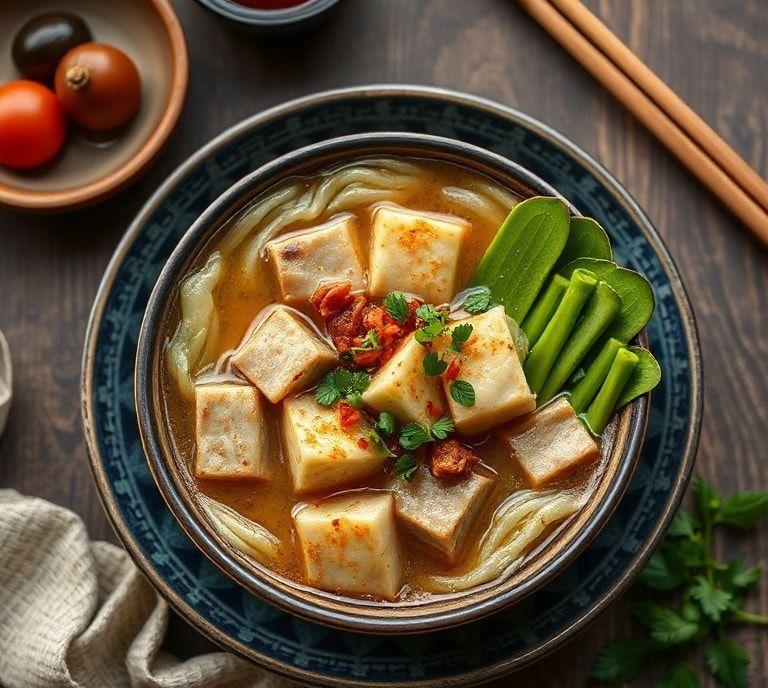
If you’re familiar with traditional soondubu, you’ll know that the broth usually gets its deep richness from seafood or meat. But don’t worry, this vegetarian version brings all that umami goodness without any of the animal products. The secret? A deep, savory broth made from kombu (seaweed), shiitake mushrooms, and a good splash of soy sauce. It’s deceptively simple but so satisfying.
This recipe is all about building flavor from the ground up. With tender, silky tofu as the star, the broth, vegetables, and seasonings work together to create layers of complexity that hit all the right notes. The chili paste adds heat, and the garlic gives it that aromatic kick. Every spoonful will warm you from the inside out.
Ingredients Needed
Here’s what you’ll need to bring this vegetarian soondubu to life:
- Soft tofu (silken tofu) – This is the key to getting that melt-in-your-mouth texture. You’ll want to use soft or silken tofu, which holds its shape just enough while still being creamy.
- Kombu (seaweed) – This adds a wonderful, deep umami flavor. It’s the secret ingredient that takes this broth from ordinary to extraordinary.
- Shiitake mushrooms (or any other mushroom of choice) – Shiitakes are rich and earthy, adding body to the broth. You could use dried mushrooms for a more intense flavor, but fresh ones work just as well.
- Garlic – Fresh garlic is essential for that aromatic base that complements the heat from the chili paste.
- Gochujang (Korean chili paste) – This adds that signature spiciness and sweetness to the dish. Don’t skimp on it – it’s the heart of the stew.
- Soy sauce – A good splash of soy sauce gives the broth depth and saltiness. You can use tamari if you’re gluten-free.
- Sesame oil – For a bit of toasty richness.
- Vegetable broth – To build the liquid base. You can use any veggie broth you prefer, or even water if you don’t have broth on hand.
- Green onions – Fresh green onions at the end add a burst of freshness and a little crunch.
- Korean chili flakes (gochugaru) – Optional, but it enhances the heat and brings a nice color to the stew.
Cooking Instructions
- Prepare the broth: Start by soaking a small piece of kombu (about 2-3 inches) in about 4 cups of water. If you’re using dried shiitake mushrooms, add them to the water too. Let them soak for 15-20 minutes, and then discard the kombu (or use it for another dish if you like) and slice the mushrooms.
- Sauté aromatics: In a large pot, heat a tablespoon of sesame oil over medium heat. Add the garlic and sauté for about 1 minute until fragrant. The aroma is going to be heavenly!
- Build the base: To the pot, add the gochujang, a splash of soy sauce, and a teaspoon of gochugaru (if you’re using it). Stir everything together for about 2 minutes until the gochujang starts to caramelize and become fragrant. This is where all that deep, savory heat starts to develop.
- Add the broth: Pour in the veggie broth (or the mushroom-soaking liquid) and bring it to a simmer. Let it cook for 5-10 minutes to really meld the flavors together.
- Add the tofu and mushrooms: Gently slide in the tofu, breaking it up into large chunks with a spoon or your hands. Add the shiitake mushrooms (or your mushroom of choice). Let everything simmer gently for another 5-7 minutes.
- Finish the dish: Just before serving, sprinkle in the green onions and stir. Taste the broth and adjust the seasoning with a little extra soy sauce or gochugaru if needed.
- Serve and enjoy: Ladle the soup into bowls and serve hot. You can pair it with some steamed rice or enjoy it on its own. If you want to add a final touch, drizzle a bit more sesame oil on top for richness and a sprinkle of extra gochugaru for heat.
Ingredient Science Spotlight
Every great recipe has its unsung heroes. In this case, the tofu and kombu are the stars, both in terms of flavor and texture.
- Tofu: Tofu is made from soybeans and, when pressed, takes on a creamy, soft texture that melts in your mouth. In soups like soondubu, it holds its shape but still absorbs the flavors of the broth, making every bite just right. The soft tofu’s high water content also helps give the stew that soothing, velvety texture we all love.
- Kombu: This seaweed is a rich source of glutamic acid, the same natural compound found in monosodium glutamate (MSG), which is why it’s such an essential umami booster. Kombu, when soaked, infuses the broth with a depth that mimics the savory richness of seafood or meat, making it the perfect vegan/vegetarian replacement for the traditional fish-based broth.
Expert Tips
- Silken tofu vs. firm tofu: If you want a firmer texture, feel free to use firm tofu, but know that it won’t be quite as melt-in-your-mouth tender as silken tofu. For the best texture, always go for soft tofu in a soondubu.
- Spice it up (or not): You can adjust the heat level by adding more or less gochujang and gochugaru. I like to err on the side of spicy, but if you prefer a milder version, just add less.
- Make it ahead: Like most stews, soondubu only gets better as it sits. If you’re meal prepping, store the soup and tofu separately and reheat them together when you’re ready to eat.
Recipe Variations
- Add more vegetables: You can load this stew up with a variety of vegetables. Bok choy, zucchini, or spinach would work wonderfully. Adding extra greens not only boosts the flavor but also adds extra nutrition.
- Vegan option: While the recipe is already vegetarian, it’s easily made vegan by using a plant-based broth and making sure your gochujang is free of any animal products (some brands use fish sauce in their pastes, so it’s always good to check the label).
- Add noodles: Want to turn this into a heartier meal? Toss in some Korean-style noodles, like udon or somen, for an added touch. It’ll make your soondubu a full-on noodle soup!
Final Words
There’s something about the combination of silken tofu, a spicy broth, and fresh vegetables that makes this vegetarian soondubu feel like an indulgence, but it’s actually surprisingly light. It’s proof that even the simplest ingredients, when combined thoughtfully, can create something truly delicious. Whether you’re looking for a comforting meal on a chilly evening or just want to explore some new flavors, this recipe has you covered.
FAQs
What Is Soondubu And Can It Be Made Vegetarian?
Soondubu is a Korean dish traditionally made with soft tofu, vegetables, and sometimes seafood or meat, served in a hot stone pot with a flavorful broth. Yes, soondubu can be made vegetarian by substituting the meat or seafood with plant-based ingredients such as mushrooms, tofu, and various vegetables. The dish is often seasoned with gochujang (Korean chili paste), garlic, and soy sauce, making it delicious even without animal products.
What Are The Key Ingredients For Making Vegetarian Soondubu?
The key ingredients for a vegetarian soondubu recipe include soft tofu, a variety of vegetables like mushrooms, zucchini, and onions, garlic, gochujang (Korean chili paste), soy sauce, sesame oil, and vegetable broth. You can also add gochugaru (Korean chili flakes) for extra spice and flavor. To enhance the taste, some people add kimchi or seaweed, but these are optional.
Can I Make A Spicy Vegetarian Soondubu Dish, And How Do I Adjust The Spice Level?
Yes, you can make a spicy vegetarian soondubu by increasing the amount of gochujang (Korean chili paste) and gochugaru (Korean chili flakes). Both of these ingredients contribute to the dish’s spiciness. If you prefer a milder version, you can reduce the amount of gochujang or replace it with a smaller quantity of gochugaru. You can also adjust the spice level by adding a bit of sugar or a sweetener to balance the heat.