There’s something deeply comforting about the smell of a home-cooked curry filling the air, especially when it’s a South Indian vegetarian curry. Growing up, I remember my mom slaving over the stove, grinding fresh spices with a stone mortar and pestle while the whole house seemed to hum with the promise of a meal that would leave you satisfied yet wanting more. South Indian curries have a certain depth to them, a layered richness created by combining bold, vibrant spices and locally sourced vegetables, all simmered to perfection. They’re not just meals; they’re experiences.
This curry is a staple in South Indian kitchens, and it’s one of those dishes you can throw together on any day, whether you’re cooking for a casual family dinner or for a big celebration. It’s versatile, customizable, and once you get the hang of it, it feels almost like a dance-a rhythm between spices, vegetables, and a handful of ingredients that make the magic happen.
In this post, I’m going to guide you through my favorite South Indian vegetarian curry recipe. I’ll share not only how to make it but also delve into some ingredient science, provide expert tips, and give you options for tweaking the recipe to suit your own tastes. So, whether you’re a seasoned cook or a beginner, this recipe will have you creating something that’s as flavorful as it is unforgettable.
South Indian Vegetarian Curry Recipe
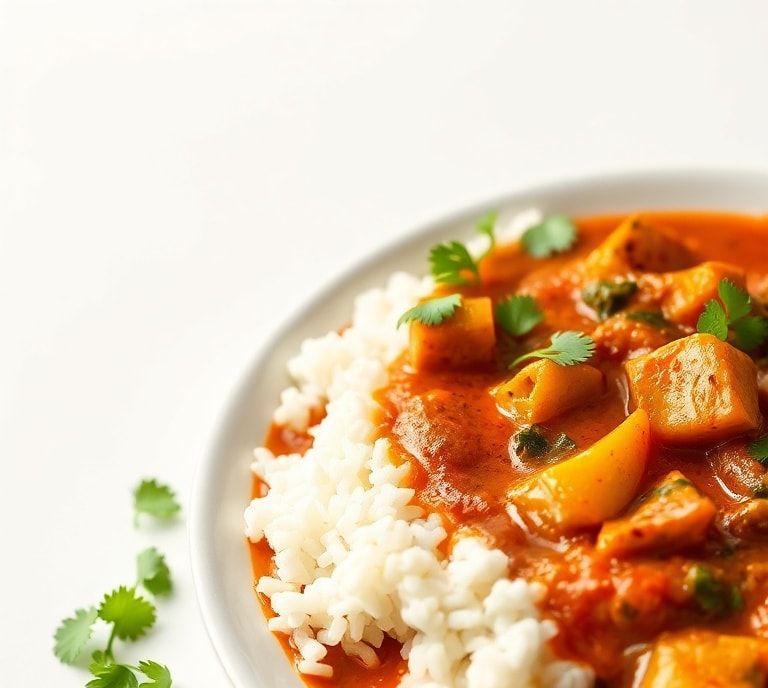
This South Indian curry has all the qualities I love in a dish-depth, vibrancy, and versatility. It starts with a coconut base, which adds a natural creaminess, and is then balanced with a mix of spices that create layers of flavor. This is a vegetarian curry, but it’s hearty enough to stand alone without needing any meat or dairy. Let’s dive right in.
Ingredients Needed
For this curry, I’ve kept things simple and easy to find. The key is using fresh, seasonal vegetables and the right balance of spices. Here’s what you’ll need:
- Vegetables: Potatoes, carrots, green beans, and peas. You can also add cauliflower or drumsticks (vegetable variety, not the chicken kind!).
- Coconut: Fresh or desiccated coconut, depending on what’s available. Fresh coconut, if you can find it, will bring a richness that dried coconut can’t quite match.
- Onion: A finely chopped onion serves as the base of your curry.
- Tomato: A couple of ripe tomatoes, chopped, to add a hint of tanginess.
- Ginger and garlic: Ground ginger and garlic paste is a must for authentic flavor. This is the aromatic backbone of the dish.
-
Spices
- Mustard seeds – these will pop and sizzle in the hot oil, adding an earthy flavor.
- Cumin seeds – for that toasty, slightly nutty base note.
- Turmeric powder – for color and its warm, mellow flavor.
- Coriander powder – bright, citrusy, and grounding all at once.
- Sambar powder – this is a special South Indian spice blend, a little tangy, a little spicy, and packed with flavor. If you can’t find it, substitute with a mix of chili powder, coriander powder, and a pinch of tamarind.
- Curry leaves: These are quintessential to South Indian cooking. If you’ve never tried them, they offer a slightly bitter, herbal flavor that perfectly complements the richness of the curry.
- Tamarind paste: For a touch of sourness. This is a key player in balancing the richness of the coconut.
- Coconut oil: This is the go-to oil for South Indian curries. It brings a unique flavor that regular vegetable oil or olive oil can’t quite replicate.
Cooking Instructions
Alright, here’s where the magic happens. The process might seem long, but it’s fairly straightforward once you get into the rhythm.
- Prep Your Ingredients: Start by chopping your vegetables into bite-sized pieces. It’s important to keep the pieces uniform in size so they cook evenly. Soak your tamarind in a little water to extract the pulp, and set aside.
- Temper the Spices: Heat about 2 tablespoons of coconut oil in a deep pan over medium heat. Once the oil is hot, toss in the mustard seeds and wait for them to start popping. Immediately add cumin seeds, followed by the curry leaves. Let everything sizzle for a minute.
- Sauté the Aromatics: Add the chopped onions and sauté until they turn golden brown. Then, add the ginger-garlic paste and sauté for another minute until the kitchen smells like heaven.
- Cook the Tomatoes and Spices: Toss in the chopped tomatoes and cook until they soften. Add turmeric, coriander powder, and sambar powder, then stir everything together. The spices will begin to bloom, releasing their flavors into the oil.
- Add the Vegetables: Now, throw in the chopped vegetables and stir them around to coat them in the spices. Let them cook for about 5 minutes, stirring occasionally.
- Simmer with Coconut: Add the coconut, tamarind pulp, and enough water to cover the vegetables. Bring it to a simmer and let everything cook together for about 15-20 minutes, or until the vegetables are tender. Check the consistency of the curry-if it’s too thick, add more water to loosen it up.
- Adjust and Taste: At this point, taste the curry and adjust the seasoning. You might want to add a pinch of salt or a dash of sugar to balance out the flavors. If you like it spicier, add some chili powder or extra sambar powder.
Ingredient Science Spotlight
One of the most fascinating things about South Indian cooking is how the ingredients work together on a scientific level. Take mustard seeds, for example. When they’re heated, they release an essential oil that adds a pungent, mustardy aroma to the oil. The cumin seeds, on the other hand, contain a compound called cuminaldehyde, which gives them that distinct earthy flavor.
Curry leaves contain compounds that have antioxidant properties, and they’re often used for their digestive benefits. Adding tamarind not only gives the curry its signature sour punch but also contains tartaric acid, which aids in digestion.
The coconut, of course, adds a creamy, natural fat that helps to carry all the flavors of the spices. And if you use fresh coconut, it also adds a subtle sweetness that balances out the heat from the chilies and the tang from the tamarind.
Expert Tips
- Don’t Rush the Tempering: The mustard seeds and cumin need to be toasted in oil to release their essential oils. This process builds the foundation of flavor, so take your time with it.
- Use Fresh Ingredients: Fresh curry leaves and coconut really elevate this dish. Don’t skip them if you can help it!
- Balance Your Flavors: The sourness of the tamarind, the sweetness of the coconut, and the heat from the spices need to be in perfect balance. Taste as you go, and don’t be afraid to adjust!
- Cook the Vegetables Just Right: Overcooked vegetables will turn mushy. Keep an eye on them while simmering, and try to maintain their texture for a more satisfying bite.
Recipe Variations
One of the great things about this curry is how easily it can be customized. Here are a few ways to mix it up:
- Add Protein: You could toss in some tofu, paneer, or even chickpeas for added protein.
- Make It Spicier: If you like your curries with a bit of a kick, increase the amount of sambar powder or add fresh green chilies.
- Roast the Spices: To get a deeper, smokier flavor, dry roast your spices (cumin, coriander, and mustard seeds) before adding them to the curry.
- Vegetable Mix: While I’ve kept it simple with potatoes, carrots, and beans, you could add other veggies like zucchini, eggplant, or even raw jackfruit for a unique twist.
Final Words
A South Indian vegetarian curry is more than just a meal-it’s a celebration of flavors, textures, and the rich history of South Indian cuisine. Every bite is a reminder of how food can be a form of storytelling, bringing together cultures, families, and traditions in the most delicious way possible.
Cooking this curry isn’t just about following steps; it’s about feeling the rhythm of the spices, the warmth of the coconut oil, and the love that goes into every dish.
FAQs
What Are The Essential Ingredients For A South Indian Vegetarian Curry?
A typical South Indian vegetarian curry uses a combination of vegetables like eggplant, carrots, potatoes, and okra, along with essential spices such as mustard seeds, cumin, turmeric, coriander powder, curry leaves, and dried red chilies. Coconut (fresh or desiccated) and tamarind are often used to add flavor, while rice or chapati is usually served as an accompaniment.
How Do I Make The Curry Sauce In A South Indian Vegetarian Curry?
The curry sauce in a South Indian vegetarian curry is typically made by tempering mustard seeds, cumin seeds, and curry leaves in hot oil. This is followed by sautéing onions, garlic, ginger, and tomatoes until soft. Ground spices like turmeric, coriander powder, and chili powder are added, along with coconut milk or a coconut paste for richness. Depending on the curry, tamarind pulp or yogurt might be added for tanginess, and the curry is simmered until the vegetables are tender and the sauce thickens.
What Are Some Popular South Indian Vegetarian Curry Variations?
Popular South Indian vegetarian curry variations include “Sambar”, a lentil-based curry with vegetables, “Kootu”, a mild curry made with vegetables and lentils, “Avial”, a mixed vegetable curry cooked with coconut and yogurt, and “Chettinad Vegetable Curry”, which uses a spicy and aromatic blend of Chettinad masala. Each region of South India has its own distinct flavor profile, often featuring ingredients like tamarind, coconut, and mustard seeds.