Let me take you on a little journey to the heart of Germany, where comfort food reigns supreme, and the flavors are as rich as the culture itself. Spaetzle is one of those dishes that seems simple but has a way of wrapping you in warmth the moment you take a bite. It’s soft, pillowy, and often served alongside hearty stews or as a stand-alone dish covered in rich, melted cheese.
The beauty of spaetzle lies in its humble roots-its origin as a peasant dish means it’s versatile, affordable, and has the ability to transform into something gourmet with just a few simple tweaks. I’ve always loved making spaetzle, especially when I’m craving something comforting yet light. And today, I’m sharing my favorite vegetarian twist on this classic dish. Whether you’re a seasoned chef or just getting started in the kitchen, this recipe is easy to follow and guarantees a satisfying result every time.
Spaetzle Vegetarian Recipe
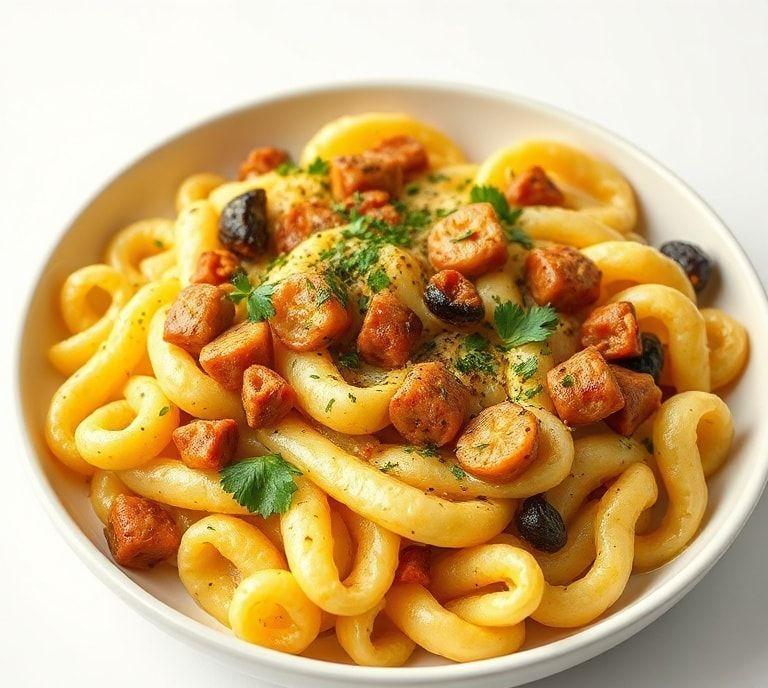
This vegetarian spaetzle recipe is my go-to on busy evenings when I want something both satisfying and relatively quick to prepare. I’ll admit-there’s a certain joy in creating spaetzle from scratch. The sound of the dough hitting the boiling water, the gentle waft of flour and butter in the air-it’s like a comforting embrace.
This version uses simple ingredients you probably already have in your pantry, and it’s lightened up a bit, making it perfect for a mid-week dinner or a light lunch. Let’s dive in!
Ingredients Needed
For this vegetarian spaetzle recipe, you’ll need:
- 2 cups of all-purpose flour
- 3 large eggs
- 1/2 cup of water (or vegetable broth for added flavor)
- 1 teaspoon of salt
- 1 tablespoon of olive oil or melted butter (plus extra for serving)
- 1/4 teaspoon of nutmeg (optional, but I love the subtle warmth it adds)
- Freshly ground black pepper (to taste)
- A handful of fresh parsley (chopped, for garnish)
- Grated cheese (optional, if you’re not vegan, for an extra layer of indulgence)
Cooking Instructions
Here’s how I like to make my spaetzle:
-
Prepare The Dough
In a large bowl, whisk together the flour, salt, and nutmeg. Crack in the eggs and mix until they start to combine. Gradually add the water (or broth) and stir until the dough comes together. It should be thick but slightly sticky. If it feels too dry, add a little more water until it has a smooth, elastic consistency.
-
Boil The Water
Bring a large pot of salted water to a boil. You’ll need a lot of water to cook the spaetzle without crowding them.
-
Make The Spaetzle
Now comes the fun part! You can use a spaetzle maker, which is the traditional tool for this, or just a slotted spoon or colander with large holes (the DIY method, but it works!). Hold the dough above the boiling water and scrape small portions of it through the holes into the water. The spaetzle will float to the surface once they’re cooked, which takes just about 2-3 minutes.
-
Drain And Toss
Once they float, remove the spaetzle with a slotted spoon and place them in a bowl. Drizzle a little olive oil or melted butter over them to keep them from sticking together. You can serve them as is, or sauté them in a little more butter for a crispy golden edge if you’re feeling fancy.
-
Serve And Garnish
Finally, sprinkle some fresh parsley on top, and if you’re feeling indulgent, grate a little cheese over them for that delicious finishing touch.
Ingredient Science Spotlight
Let’s take a quick pause to talk about the ingredients. You may not think about it, but the science behind spaetzle’s dough is fascinating. The flour acts as the structural foundation, but the eggs are the key to the dough’s elasticity. Eggs provide the moisture and protein that allow the dough to hold its shape in the boiling water, giving spaetzle that perfectly chewy texture.
The salt, while often overlooked, plays an important role too. Not only does it enhance flavor, but it strengthens the gluten in the dough, helping the spaetzle hold together during cooking. The slight acidity in the water (if you’re using broth) helps relax the gluten strands, creating a more tender bite.
Nutmeg is a lovely addition to spaetzle, as it introduces a bit of warmth and complexity. It might seem like a small touch, but it gives the dish a slightly earthy depth that makes it unique.
Expert Tips
I’ve made this dish countless times, and over the years, I’ve picked up a few tricks that take it from good to great.
- Don’t overmix the dough: The secret to light and airy spaetzle is not overworking the dough. Stir just enough to combine the ingredients, and let the flour do its thing. If you mix too much, you’ll get dense spaetzle, and trust me, that’s not what we want.
- Use room temperature eggs: It makes a difference! Cold eggs don’t blend as well into the dough, which can result in uneven texture. Room temperature eggs make for a smoother, more consistent dough.
- Add flavor to the cooking water: If you’re cooking the spaetzle in plain water, you’re missing an opportunity to infuse flavor. Try adding vegetable broth instead of plain water. It adds a subtle richness that really elevates the dish.
- Saute after boiling: For the crispiest spaetzle, don’t skip the final sauté. After boiling and draining, give them a quick sear in a hot pan with butter to get that golden, crispy edge.
- Don’t forget to salt the water generously: Spaetzle absorbs flavor, so you want the water to be well-seasoned. Think of it like pasta water-it makes a world of difference in the final flavor.
Recipe Variations
One of the great things about spaetzle is how easily it adapts to different ingredients. You can play around with this recipe in so many ways. Here are a few ideas:
- Cheese spaetzle (Käsespätzle): This is the German classic, and it’s as simple as layering the cooked spaetzle with grated cheese and caramelized onions. Then, pop it in the oven to melt the cheese and make everything bubbly and delicious.
- Herbed spaetzle: Add fresh or dried herbs like thyme, rosemary, or sage to the dough for a fragrant twist. I like to add some garlic powder and fresh parsley, but the possibilities are endless.
- Spaetzle with vegetables: If you want to add a veggie boost, sauté some mushrooms, spinach, or zucchini, and mix them into the spaetzle after boiling. It’s a great way to add a bit of color and texture to the dish.
- Vegan spaetzle: For a vegan version, simply swap out the eggs for a flaxseed egg or chickpea flour. You can also replace the butter with olive oil or coconut oil for cooking.
Final Words
If I’ve learned anything about cooking, it’s that a good dish doesn’t have to be complicated. Spaetzle is a perfect example of how a handful of simple ingredients, a little technique, and a bit of love can create something memorable. It’s the kind of dish that invites you to slow down, savor the process, and enjoy every bite.
FAQs
What Are The Main Ingredients For A Vegetarian Spaetzle Recipe?
The main ingredients for a vegetarian spaetzle recipe typically include all-purpose flour, eggs, water or milk, salt, and a pinch of nutmeg. For a vegan version, you can substitute the eggs with a combination of aquafaba, silken tofu, or a plant-based egg replacer, and use non-dairy milk like almond or oat milk.
Can I Make Spaetzle Without A Spaetzle Maker?
Yes, you can make spaetzle without a traditional spaetzle maker. If you don’t have one, you can use a large grater or colander with wide holes to press the dough into the boiling water. Alternatively, you can simply cut the dough into small pieces with a knife or spoon, though they may not have the signature shape of traditional spaetzle.
What Can I Serve With Vegetarian Spaetzle?
Vegetarian spaetzle pairs wonderfully with a variety of dishes. You can serve it with a rich mushroom sauce, sautéed vegetables like spinach, or roasted Brussels sprouts. For a more filling dish, combine it with a creamy cheese sauce or a tomato-based sauce. You can also top it with caramelized onions and fresh herbs for added flavor.