There’s something about a bowl of spaghetti carbonara that hits just right, don’t you think? The rich, creamy sauce, the smoky hint of pancetta or bacon, and the salty punch of Parmesan- it’s the ultimate comfort food. But as much as I love the traditional version, I’ve found that it’s just as delicious to reimagine it as a vegetarian dish. After all, comfort food shouldn’t have to mean compromising your preferences, whether that’s for ethical reasons or simply because you’re craving a twist on the classic.
A few years back, I was craving carbonara one evening, but I didn’t have any meat in the fridge. I was skeptical at first- could it really work without the usual pancetta or guanciale? But the result was surprisingly great. The smokiness of roasted vegetables, the creaminess of the sauce, and the richness of the cheese made for a carbonara experience that didn’t miss a beat. And so, my love affair with vegetarian carbonara began.
Let’s walk through how you can recreate this dish, whether you’re vegetarian, reducing your meat intake, or simply in the mood for something new.
Spaghetti Carbonara Vegetarian Recipe
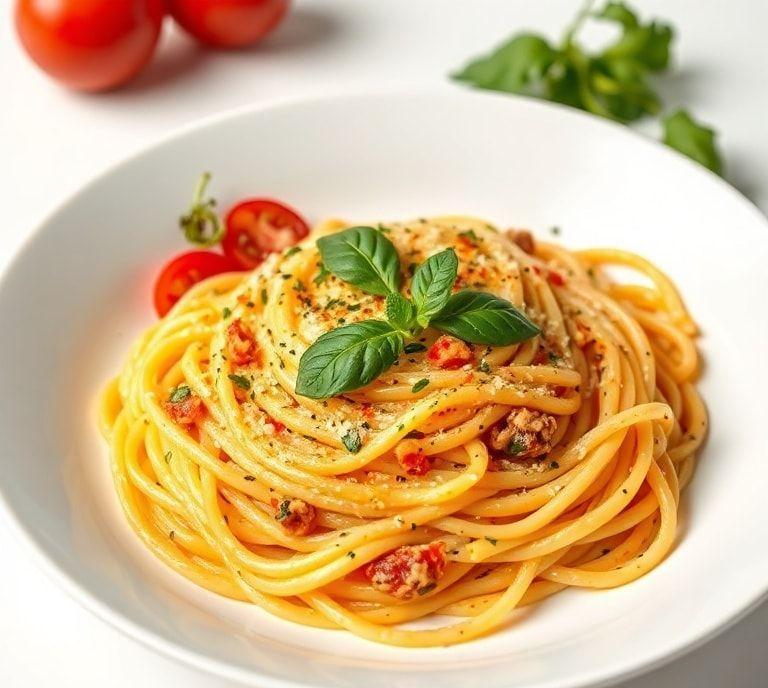
Now, don’t let the idea of a vegetarian carbonara fool you. This dish is packed with flavor and heartiness. The secret is to bring in ingredients that mimic the depth and smokiness of the traditional meat without losing any of the comfort food magic.
Ingredients Needed
For a good vegetarian carbonara, you need a few key ingredients that work together to recreate the rich, velvety texture and flavors you’re used to, minus the meat.
- Spaghetti (or pasta of choice): Of course, the base! I’ve tried it with fettuccine and linguine before, but spaghetti just feels like the classic carbonara choice.
- Olive oil: You’ll use this to sauté your vegetables and give them that beautiful golden color.
- Mushrooms (preferably cremini or shiitake): These bring that savory umami flavor that’s usually found in the pancetta or bacon. Mushrooms are great at soaking up flavors, and when browned, they take on a meaty texture.
- Eggs (2 large): The eggs are the heart of the carbonara sauce. They create that rich, creamy texture we love, so be sure to get fresh eggs.
- Parmesan cheese (or Pecorino Romano): This is your salty, savory punch. I prefer using a mix of both for the best of both worlds- the sharpness of Pecorino and the nutty flavor of Parmesan.
- Garlic: A couple of cloves for a depth of flavor.
- Fresh parsley: This is for garnish, but also gives a fresh brightness to balance out the richness of the dish.
- Salt and pepper: To taste, of course.
- Optional-smoked paprika or liquid smoke: This is for a smoky kick to make up for the absence of pancetta. You can skip it, but I highly recommend it if you want that smoky essence.
Cooking Instructions
Here’s where the magic happens. This recipe is incredibly easy, and it comes together quickly- so you can have a bowl of this deliciousness on your table in less than 30 minutes.
- Prep the pasta: Bring a large pot of salted water to a boil. Cook the spaghetti according to the package instructions, until it’s al dente. Reserve about a cup of pasta water before draining.
- Sauté the mushrooms: While the pasta is cooking, heat a couple of tablespoons of olive oil in a large pan over medium heat. Add the mushrooms and sauté them until they are golden brown and have released their moisture (about 5-7 minutes). Sprinkle with a little salt and pepper. This is where you get that meaty flavor, so make sure the mushrooms are cooked down nicely.
- Make the egg mixture: In a bowl, whisk together the eggs, most of the Parmesan, a pinch of salt, and a few cracks of black pepper. If you’re using smoked paprika or liquid smoke, add it here. This is your creamy sauce base.
- Combine pasta and mushrooms: Add the drained pasta to the pan with the mushrooms and toss it together. Turn off the heat so the pasta isn’t too hot when you add the eggs, or you’ll end up with scrambled eggs. You want the residual heat to gently cook the eggs into a creamy sauce.
- Finish the dish: Slowly pour the egg mixture over the pasta, tossing quickly to coat. The heat from the pasta will help the sauce thicken, creating that signature creamy carbonara texture. If the sauce is too thick, add a bit of the reserved pasta water until you reach your desired consistency.
- Garnish and serve: Top with the remaining Parmesan, a sprinkle of fresh parsley, and an extra crack of black pepper. Serve immediately and enjoy!
Ingredient Science Spotlight
Let’s break down the science behind some of the key ingredients here, starting with the mushrooms. Mushrooms are your vegetarian stand-in for the pancetta or guanciale, but they don’t just mimic texture-they also bring that deep, savory umami flavor. That umami comes from the amino acid glutamate, which is why mushrooms are such a great meat substitute in dishes like this.
The eggs are the backbone of carbonara. When combined with hot pasta, they emulsify into a creamy, velvety sauce. The key here is timing. If the eggs hit the hot pasta too quickly, they’ll scramble, so you want to toss everything together off the heat. The eggs’ proteins thicken and bind the pasta water, creating that signature creamy texture we all love.
And the cheese– it’s the salty, rich punch that gives carbonara its depth. Parmesan is nutty and slightly sweet, while Pecorino is sharp and tangy. Combining the two gives the dish complexity. Both cheeses also help thicken the sauce by melting into the egg mixture.
Expert Tips
- Don’t overcook the mushrooms: Mushrooms can shrink quite a bit when cooked, but if you cook them too long, they can turn rubbery. Keep an eye on them and remove them from the heat once they’re golden brown.
- Save pasta water: That starchy pasta water is a secret weapon! It helps create the smooth texture of the sauce, so don’t forget to reserve some before draining the pasta. A couple of tablespoons can make all the difference.
- Room temperature eggs: If you have time, let your eggs come to room temperature before using them. Cold eggs can result in a less smooth sauce.
- Mix the sauce off the heat: The residual heat from the pasta is all you need to cook the eggs. Direct heat will cook them too much, and you’ll lose that creamy, silky sauce texture.
Recipe Variations
- Vegan Carbonara: If you’re plant-based, you can easily swap out the eggs and cheese. Use silken tofu or cashews blended with nutritional yeast for the creamy sauce. For the “bacon”, you can try using smoked tempeh or even smoked tofu for that meaty, smoky flavor.
- Add greens: Spinach or kale can add a nice earthy touch to the dish. Toss in some sautéed spinach for extra vitamins and flavor.
- Try different mushrooms: While cremini and shiitake are great, you could experiment with oyster mushrooms, portobello, or even chanterelles for a unique twist on the texture and flavor.
- Smoked cheese: If you like a deeper smoky flavor, try adding smoked cheese like smoked mozzarella or smoked Gouda. It will give your carbonara an unexpected but delightful layer.
Final Words
Vegetarian carbonara is an example of how simple ingredients, when combined with a little creativity, can transform into something extraordinary. The beauty of this dish is that you can tweak it to your taste- whether you prefer it creamy or smoky, with mushrooms or greens, there’s always room for a little variation.
FAQs
Can I Make Spaghetti Carbonara Vegetarian Without Using Eggs?
Yes, you can make spaghetti carbonara vegetarian without eggs by using plant-based substitutes. A popular alternative is using silken tofu blended with nutritional yeast to create a creamy, egg-like texture. Another option is to use cashew cream or a dairy-free cream substitute to achieve a similar consistency and flavor.
What Can I Use Instead Of Pancetta In A Vegetarian Spaghetti Carbonara?
In a vegetarian spaghetti carbonara, you can replace pancetta with plant-based ingredients that mimic its salty, savory flavor. Some common alternatives include sautéed mushrooms, smoked tempeh, or plant-based bacon. These substitutes provide a similar texture and umami taste, adding richness to the dish.
Is Spaghetti Carbonara Vegetarian Recipe Gluten-free?
Traditional spaghetti carbonara is not gluten-free because it uses regular pasta made from wheat. However, you can easily make a gluten-free version by substituting with gluten-free spaghetti or other gluten-free pasta options. Just ensure that all other ingredients, such as the plant-based cream and substitutes, are also gluten-free.