It’s easy to get stuck in a food rut. When life feels busy, we often fall back on our comfort meals-the ones that don’t take too much thinking or prepping. But every so often, we want to shake things up, try something new, and surprise our taste buds. Enter spaghetti squash. It’s one of those vegetables that seems deceptively simple but, when cooked right, transforms into something downright magical. Whether you’re vegetarian, cutting carbs, or just looking to try something different, spaghetti squash is a perfect addition to your meal rotation.
I first encountered spaghetti squash during a summer trip to a farmer’s market. At first, I didn’t know what to make of it. It sat there in the produce aisle like a quirky little mystery, its yellow skin almost glowing in the sunlight. But after asking a few friendly market vendors for advice, I took it home with a plan to figure it out. And let me tell you, I’ve been hooked ever since. The beauty of spaghetti squash is its versatility-it’s so much more than just a low-carb pasta substitute, though it does a great job of filling that role! You can mix it with savory sauces, load it with fresh veggies, or toss it into a light stir-fry.
This vegetarian recipe takes advantage of the squash’s natural texture, letting it shine as the star of the dish. It’s hearty, satisfying, and full of flavor, without needing to lean on heavy cream or cheese to fill you up. Plus, you can throw it together with minimal effort.
Spaghetti Squash Vegetarian Recipe
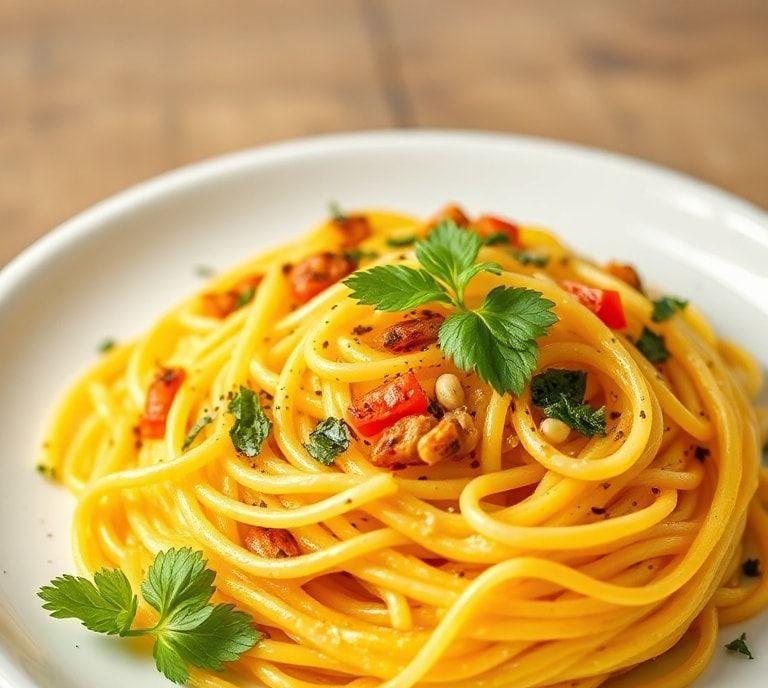
What I love most about this recipe is its ability to work with what you have in your kitchen. You can keep it simple with just a few key ingredients, or get creative and pile on the extras. But no matter how you tweak it, the base of the dish remains comforting and wholesome.
Here’s how I make my go-to spaghetti squash recipe:
Ingredients Needed
- 1 medium-sized spaghetti squash
- 2 tablespoons olive oil
- 1 medium onion, diced
- 2 cloves garlic, minced
- 1 bell pepper, chopped (red or yellow adds a nice sweetness)
- 1 zucchini, sliced thin
- 1 cup cherry tomatoes, halved
- 1/2 teaspoon red pepper flakes (optional for a little heat)
- Salt and pepper to taste
- Fresh basil or parsley for garnish
- Grated Parmesan or vegan cheese (optional for topping)
Cooking Instructions
- Preheat the Oven: Start by preheating your oven to 400°F (200°C). While it’s heating up, cut your spaghetti squash in half lengthwise. Be careful with this part-spaghetti squash can be a little tricky to cut because it’s tough on the outside. I always make sure to use a sharp chef’s knife and place the squash on a towel to keep it from slipping.
- Roast the Squash: Scoop out the seeds from each half and drizzle the inside with a little olive oil. Season with salt and pepper. Place the squash halves cut side down on a baking sheet lined with parchment paper or foil. Roast for 35-45 minutes, depending on the size of your squash. It’s done when the flesh is tender and easily pulls away from the skin in strands (like spaghetti!).
- Prepare the Vegetables: While the squash is roasting, heat the remaining olive oil in a large skillet over medium heat. Add the diced onion and cook for about 5 minutes, until softened. Add the garlic, bell pepper, and zucchini, and sauté for another 5-7 minutes until the vegetables are tender. Toss in the cherry tomatoes and cook for another 2-3 minutes, just until they start to soften and burst.
- Shred the Squash: When the squash is done, let it cool for a couple of minutes before using a fork to scrape the flesh into spaghetti-like strands. It should come apart easily and look just like pasta!
- Toss Together: Add the shredded squash to the skillet with the sautéed veggies. Toss everything together, and let the squash soak up all those delicious flavors for a minute or two. Season with red pepper flakes, salt, and pepper to taste. If you want to make it a little richer, sprinkle with some Parmesan or a dairy-free alternative.
- Serve: Garnish with fresh basil or parsley, and you’re ready to dig in!
Ingredient Science Spotlight
Here’s a fun tidbit about spaghetti squash. It gets its name from the way its flesh separates into strands when cooked, creating that "spaghetti" texture. But what makes it stand out as a vegetable is its high fiber content and low carb count. Unlike traditional pasta, which can leave you feeling heavy, spaghetti squash gives you a similar bite with far fewer calories. It’s also packed with vitamins A and C, both of which are crucial for immune function and skin health. That’s a nice bonus for a veggie that’s both filling and light!
Then there’s the zucchini-another great source of antioxidants and vitamins. This versatile veggie is naturally low in calories, but it’s full of water, so it helps balance out the density of the squash while adding some moisture to the dish. Tomatoes, of course, bring in that juicy burst of flavor, but they’re also a fantastic source of lycopene, a powerful antioxidant that has been linked to reduced risks of heart disease and some cancers.
Expert Tips
- Don’t Skip the Roasting Step: It’s easy to throw the squash in the microwave or cook it in the pressure cooker, but roasting brings out the natural sweetness and depth of flavor. Plus, it gives the squash that perfect al dente texture that mimics pasta better than any other cooking method.
- Make It Ahead of Time: If you’re meal prepping for the week, you can roast the squash and cook the vegetables ahead of time. Just store them separately in the fridge, and when you’re ready to eat, toss them together in a skillet. It’s an easy, healthy lunch or dinner option you can grab on busy days.
- Try Different Vegetables: The beauty of this recipe is that it’s totally customizable. Swap out zucchini for mushrooms or add some spinach or kale. If you want a little protein boost, you can toss in some chickpeas, tempeh, or a sprinkle of nutritional yeast for a cheesy flavor.
Recipe Variations
- Mediterranean Style: Add Kalamata olives, artichoke hearts, and a sprinkle of feta cheese for a Mediterranean-inspired version. The tang of olives and artichokes pairs beautifully with the sweetness of the squash.
- Italian Twist: Mix in some fresh marinara sauce and top with mozzarella for a comforting spaghetti-squash-parmesan combination. You can even layer it like lasagna!
- Asian Infusion: Toss the squash with soy sauce, sesame oil, and a little rice vinegar. Add chopped scallions, cilantro, and some sesame seeds for a fresh and tangy dish.
Final Words
I can’t overstate how versatile spaghetti squash is. It’s an ingredient that can take on so many flavors and work for a variety of meal plans. Whether you’re trying to go a little lighter or just want to do something creative in the kitchen, this simple, satisfying dish is the perfect solution.
FAQs
What Are Some Common Ingredients In A Vegetarian Spaghetti Squash Recipe?
A typical vegetarian spaghetti squash recipe often includes ingredients like spaghetti squash, olive oil, garlic, onions, tomatoes, spinach, bell peppers, mushrooms, herbs such as basil and oregano, and cheese like Parmesan or mozzarella. Many variations may also include plant-based protein sources like chickpeas or tofu for added texture and nutrition.
How Do You Prepare Spaghetti Squash For A Vegetarian Dish?
To prepare spaghetti squash, start by cutting it in half lengthwise and removing the seeds. Drizzle olive oil, salt, and pepper on the flesh and roast the halves, cut side down, at 375°F (190°C) for 30-45 minutes until tender. After roasting, use a fork to scrape the flesh into spaghetti-like strands, which can then be incorporated into various vegetarian sauces, salads, or casseroles.
Can I Make A Vegan Spaghetti Squash Recipe?
Yes, a vegan spaghetti squash recipe is easy to make by simply omitting dairy-based ingredients. Instead of cheese, you can use nutritional yeast for a cheesy flavor or opt for plant-based cheese alternatives. For sauces, consider tomato-based sauces or creamy options made with cashews or coconut milk. You can also add vegetables and plant proteins like beans or tofu for extra substance.