There’s something incredibly comforting about a plate of spaghetti with a generous helping of sauce. It’s a dish that brings back memories of family gatherings, late-night study sessions, and the simple joy of a home-cooked meal. For me, spaghetti isn’t just food; it’s nostalgia on a plate. Whether it’s the sound of the pasta swirling in the pot or the smell of garlic simmering in olive oil, there’s a certain magic in the way this dish unfolds in your kitchen.
As someone who’s spent a lot of time in the kitchen experimenting with flavors and techniques, I’ve learned that a good spaghetti sauce doesn’t need to be complicated. You don’t need a long list of exotic ingredients or hours of preparation. Sometimes, the most delicious sauces come from simple, fresh ingredients that are thoughtfully combined. Today, I’m excited to share with you a recipe for a rich, flavorful vegetarian spaghetti sauce that proves just how satisfying plant-based cooking can be.
Spaghetti Vegetarian Sauce Recipe
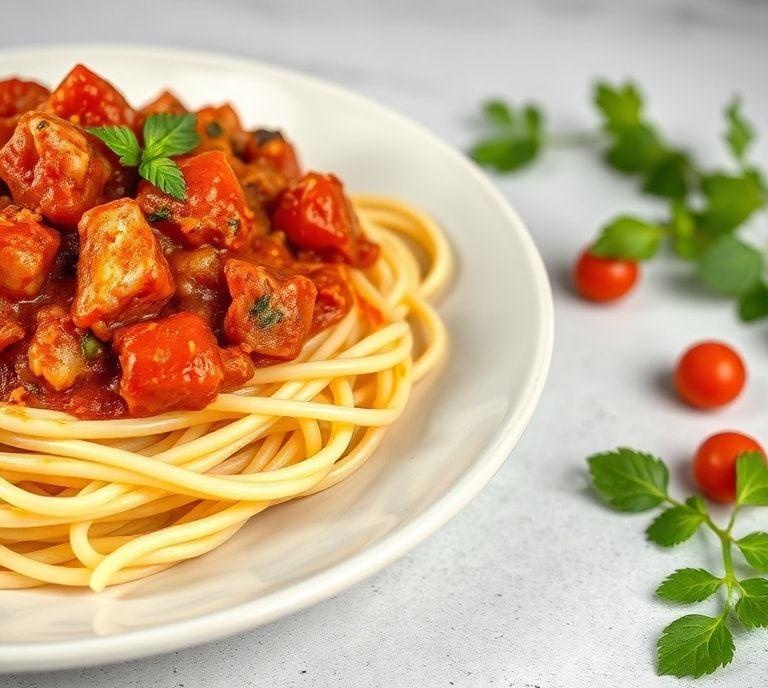
This vegetarian spaghetti sauce is my go-to when I want something hearty, comforting, and full of vibrant flavors. It’s packed with vegetables, herbs, and a touch of umami, making it the perfect companion to any type of pasta. While the recipe is straightforward, there’s plenty of room for you to get creative. Whether you’re a seasoned cook or someone just starting to embrace the world of vegetarian cuisine, this sauce will become a staple in your kitchen.
Ingredients Needed
Before we get started, let’s run through the ingredients. I always recommend using the freshest produce you can find-seasonal vegetables will elevate the dish even more.
- Olive oil (2 tablespoons): A good quality olive oil is essential for sautéing the veggies and adding richness to the sauce.
- Onion (1 medium, finely chopped): Onion is a base note that adds sweetness and depth to the sauce. It also acts as a flavor foundation for the rest of the ingredients.
- Garlic (4 cloves, minced): Garlic adds that aromatic, savory punch that gives the sauce its character.
- Carrot (1 medium, peeled and finely grated): Carrot lends a subtle sweetness and helps balance the acidity of the tomatoes.
- Celery (2 stalks, finely chopped): Celery brings a bit of earthiness and crunch, helping to round out the texture of the sauce.
- Canned crushed tomatoes (2 cans, 14.5 oz each): The heart of the sauce. Crushed tomatoes create a thick, velvety base that carries all the flavors.
- Tomato paste (2 tablespoons): Adds an extra layer of rich tomato flavor and thickens the sauce.
- Red pepper flakes (½ teaspoon, optional): A dash of heat-totally up to you, but it adds a nice kick.
- Fresh basil (1 handful, chopped): Nothing beats fresh basil for an herbal brightness that lifts the sauce.
- Salt and pepper (to taste): These simple seasonings bring everything together.
Cooking Instructions
Now, let’s get into the fun part: cooking. This is where the magic happens.
- Start with a hot pan: Heat the olive oil in a large pot or deep skillet over medium heat. Once it shimmers, add the chopped onion. Let it cook for 5-7 minutes until it softens and turns translucent. This step brings out the natural sweetness of the onion.
- Sauté garlic and vegetables: Add the minced garlic, grated carrot, and chopped celery to the onions. Cook for another 3-4 minutes, stirring occasionally. The carrot will soften, and the garlic will release its lovely aroma.
- Build the base: Stir in the crushed tomatoes and tomato paste. The paste helps thicken the sauce and concentrate the flavor. Give everything a good mix to combine, ensuring that the tomato paste dissolves evenly.
- Simmer: Reduce the heat to low and let the sauce simmer for 30-45 minutes. Stir occasionally. As it simmers, the sauce will thicken and the flavors will meld together beautifully. You’ll notice the aroma filling the kitchen-it’s absolutely irresistible.
- Season and finish: Once the sauce has thickened to your liking, season it with salt, pepper, and red pepper flakes (if using). Add the fresh basil, stir to combine, and let it simmer for another 5 minutes to infuse the sauce with those vibrant herbal notes.
Ingredient Science Spotlight
The key to making a great vegetarian spaghetti sauce is understanding the role each ingredient plays. For example, olive oil is more than just a cooking fat; it contains polyphenols, which are antioxidants that contribute to heart health. The onion, garlic, and celery? They all provide natural sugars that, when cooked slowly, break down and create a deep, caramelized flavor base.
Then there’s the tomato. Tomatoes are rich in lycopene, an antioxidant that’s been shown to have a variety of health benefits. The slow simmering process breaks down the tomato’s cell walls, making it easier for your body to absorb all those nutrients. And the addition of fresh basil towards the end of cooking isn’t just for color; the volatile oils in basil contain compounds like eugenol, which have anti-inflammatory properties.
Expert Tips
- Don’t skip the simmering: One of the most common mistakes people make is rushing the sauce. Letting it cook low and slow for 30-45 minutes allows the ingredients to meld together, and the tomatoes to break down into a rich, velvety base. This depth of flavor is the key to a great spaghetti sauce.
- Use fresh herbs: While dried herbs are convenient, fresh basil (or any fresh herb you love) makes a big difference. Fresh herbs provide a burst of flavor at the end of cooking that dried ones can’t replicate.
- Adjust the texture: If the sauce is too thick, you can always add a bit of water or vegetable broth to loosen it up. On the flip side, if it’s too thin, let it simmer uncovered for a bit longer to reduce and thicken.
- Balance sweetness and acidity: Tomatoes can be quite acidic, and while carrots help balance that out, a small pinch of sugar can help if you find your sauce still too tart. I usually avoid this step, but it’s helpful to know it’s an option!
- Enhance with umami: For an extra layer of umami (the savory ’fifth taste’), try adding a splash of soy sauce or a small spoonful of miso paste during the simmering process. It’ll give the sauce a richness that’s almost meaty.
Recipe Variations
While this recipe is simple and delicious on its own, you can easily make it your own with a few tweaks:
- Add some vegetables: Mushrooms, bell peppers, or zucchini can be tossed in with the other vegetables for added texture and flavor.
- Swap the herbs: If you’re not a fan of basil, try oregano, thyme, or even rosemary for a different herbal profile.
- Make it spicier: If you like heat, you can increase the amount of red pepper flakes or add a chopped fresh chili pepper.
- Add plant-based protein: To make the sauce heartier, add some cooked lentils, chickpeas, or a meat substitute like crumbled tempeh.
Final Words
This spaghetti sauce is all about simplicity and versatility. While I’ve shared my version of the recipe, you’ll find that it’s easy to adapt based on what you have in your kitchen. The beauty of homemade spaghetti sauce is that it doesn’t have to be perfect-it just has to be made with care and a bit of love. Whether you’re cooking for yourself after a long day, or preparing a meal for friends and family, this sauce will deliver comfort in every bite.
FAQs
What Vegetables Are Commonly Used In A Spaghetti Vegetarian Sauce?
Common vegetables used in spaghetti vegetarian sauce include tomatoes, onions, garlic, bell peppers, zucchini, carrots, and mushrooms. These vegetables provide a rich flavor profile and texture to the sauce. Some recipes also incorporate spinach, eggplant, and olives for added depth.
Can I Make Spaghetti Vegetarian Sauce In Advance And Store It?
Yes, spaghetti vegetarian sauce can be made in advance and stored for later use. After cooking, allow the sauce to cool completely and then refrigerate it in an airtight container for up to 4-5 days. You can also freeze the sauce for up to 3 months. To reheat, simply warm it on the stove or in the microwave.
What Are Some Seasoning Options To Enhance The Flavor Of Spaghetti Vegetarian Sauce?
To enhance the flavor of your spaghetti vegetarian sauce, consider adding seasonings like basil, oregano, thyme, red pepper flakes, and bay leaves. Fresh herbs, such as parsley or rosemary, can be added for a burst of freshness. You can also include a splash of balsamic vinegar or a dash of sugar to balance the acidity of the tomatoes.