There are few dishes that evoke the warmth and vibrancy of Spanish cuisine quite like Paella. This iconic dish, born in the sun-drenched Valencian region of Spain, has evolved over centuries into countless variations, becoming a beloved symbol of Mediterranean cooking. Paella traditionally combines the freshest seafood, meats, and seasonal vegetables with the bold flavors of saffron, garlic, and olive oil. But what if I told you that you could enjoy this classic with a completely vegetarian twist?
For me, the idea of a Vegetarian Paella came to life during a summer trip to Barcelona, where I sat down at a lively seaside restaurant. I had been craving something fresh, vibrant, and satisfying, but with no meat or seafood on my plate. That’s when I saw it-a steaming dish of vegetarian paella being brought out from the kitchen. The colors were extraordinary: golden saffron rice dotted with bright green peas, ruby-red peppers, and vibrant tomatoes. The first bite was a revelation. The flavors were bold, yet delicate, and the experience of sharing such a communal dish was unforgettable.
Since that day, I’ve made countless variations of vegetarian paella in my own kitchen, and I’ve learned so much about the ingredient balance, the science behind it, and the little tricks that make all the difference. If you’re ready to explore a vegetarian paella that’s rich in flavor, easy to prepare, and made with ingredients that are as fresh as they are colorful, this recipe is for you.
Spanish Paella Vegetarian Recipe
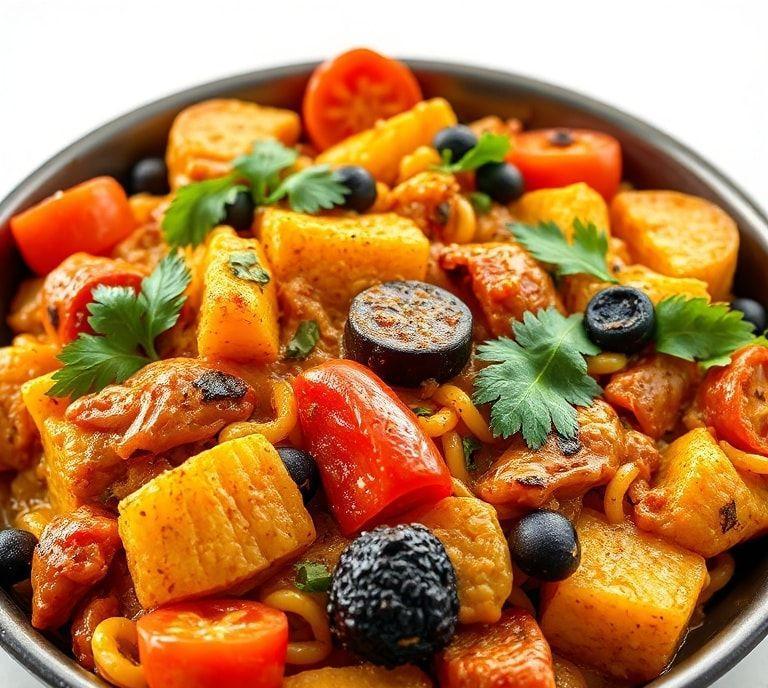
This vegetarian paella recipe is all about layers of flavor, a medley of fresh vegetables, and that unforgettable saffron scent. It’s simple enough to prepare for a weeknight dinner but special enough to impress at a dinner party.
Ingredients Needed
Paella has a unique rhythm-each ingredient needs its moment to shine. Here’s what you’ll need for the perfect vegetarian paella:
- Olive oil (2 tablespoons): Spanish cuisine would be unthinkable without olive oil, and for good reason. The rich, fruity oil infuses everything with a deep, robust flavor.
- Yellow onion (1 large, diced): A base of onion adds sweetness and complexity. You can use red onion for a milder taste.
- Garlic (4 cloves, minced): Garlic is a soul mate to paella, creating that aromatic backbone that will make your kitchen smell heavenly.
- Bell peppers (1 red, 1 yellow, diced): Sweet, crisp peppers bring a natural sweetness and a pop of color to your paella.
- Tomato (2 medium, diced): Tomatoes give a juicy, tangy burst that balances out the earthiness of the rice.
- Green peas (1/2 cup): These small green jewels add a burst of freshness to the dish.
- Artichoke hearts (1 cup, fresh or canned, chopped): Artichokes have a slightly nutty taste and a chewy texture that contrasts perfectly with the soft rice.
- Zucchini (1 medium, sliced): Mild and slightly sweet, zucchini adds a soft texture and a subtle vegetal flavor.
- Vegetable broth (3 cups): A good vegetable broth is the heart of the paella’s flavor. Don’t skimp on quality-this will be the liquid base for the rice.
- Saffron threads (1/4 teaspoon): Saffron is the soul of paella. Its floral, earthy aroma is what makes paella so unmistakably paella.
- Smoked paprika (1 teaspoon): This gives the dish a lovely smoky undertone.
- Rice (1 1/2 cups, ideally Bomba rice): Bomba rice is a short-grain variety that absorbs liquid beautifully without getting mushy.
- Lemon wedges (for serving): A squeeze of fresh lemon at the end brightens everything up.
- Parsley (for garnish): A few sprigs of fresh parsley will add a pop of green and a fresh burst of flavor.
Cooking Instructions
Creating the perfect paella is about timing, layering, and patience. Here’s how to do it:
- Prepare the saffron broth: In a small bowl, steep the saffron threads in a little warm water (about 1/4 cup) to release their color and flavor. Set aside.
- Sauté the aromatics: Heat a large, wide pan (a paella pan is ideal, but any large skillet will do) over medium heat. Add the olive oil. Once it’s hot, add the diced onion and sauté until translucent, about 5 minutes. Add the minced garlic and cook for another minute until fragrant.
- Add the vegetables: Toss in the diced bell peppers, tomatoes, zucchini, and artichoke hearts. Cook, stirring occasionally, for about 8-10 minutes, until the vegetables have softened and the tomatoes have released their juices.
- Add the rice: Stir in the rice and let it toast lightly for a minute, allowing the grains to soak up all the flavors in the pan.
- Pour in the broth: Add the vegetable broth, saffron-steeped water, smoked paprika, and a pinch of salt. Stir everything together and bring the mixture to a boil. Once boiling, lower the heat to a simmer.
- Simmer: Let the paella cook uncovered for about 20-25 minutes, without stirring (this helps the rice develop that signature crispy bottom). Add the peas during the last 5 minutes of cooking.
- Rest the paella: Once the liquid has absorbed and the rice is tender, remove the pan from the heat and cover it with a kitchen towel. Let the paella rest for about 5-10 minutes to allow the flavors to meld.
- Serve: Garnish with fresh parsley and lemon wedges. Serve family-style and enjoy the vibrant flavors of this classic Spanish dish.
Ingredient Science Spotlight
It’s not just about how the ingredients taste, but how they interact in the pan. Take rice, for example. Paella uses Bomba rice, a special short-grain variety that absorbs the liquid without breaking down, making it perfect for this dish. The rice cooks in layers, with the first layer absorbing the saffron and broth, while the bottom layer (the socarrat) caramelizes, creating a beautiful crispy texture.
Then there’s the saffron, which can seem like a luxury ingredient, but it’s worth every penny. Saffron’s essential oils and pigments give the rice its characteristic golden hue and unique floral fragrance. The subtle bitterness and earthiness are also key to balancing the sweetness of the vegetables and the richness of the olive oil.
Finally, the vegetable broth is important for flavor. If you use a homemade broth, you’ll notice the depth it adds to the dish. A high-quality vegetable broth ensures the rice is soaked in a rich, savory liquid that enhances the flavors of the vegetables.
Expert Tips
- Don’t stir once you add the broth: This is one of the most crucial steps. Stirring the rice prevents it from forming that coveted crispy bottom layer. Let it simmer undisturbed.
- Get the right pan: If you’re serious about paella, invest in a wide, shallow pan. A paella pan isn’t just for tradition-it ensures the rice cooks evenly, without getting soggy or overcooked.
- Layer the flavors: Each ingredient should be given time to release its essence into the rice. The garlic, onions, and saffron are your base, and the vegetables provide flavor, texture, and color. Give each their moment to shine.
- Let the rice rest: After cooking, let the paella sit off the heat for a few minutes. This lets the flavors settle and the rice firm up a bit, making it easier to serve.
Recipe Variations
- Mushroom Paella: Add a variety of mushrooms (shiitake, cremini, or portobello) to bring a meaty, umami-rich flavor to the dish. These mushrooms pair beautifully with the saffron and smoked paprika.
- Spinach and Chickpeas: For a more hearty vegetarian twist, add fresh spinach and chickpeas during the final minutes of cooking. The chickpeas add protein, and the spinach wilts in beautifully with the rice.
- Roasted Butternut Squash: If you want to bring some sweetness to your paella, add roasted butternut squash. Its caramelized edges will balance the savory flavors of the rice.
Final Words
Creating a vegetarian paella is more than just swapping out the meat-it’s about embracing the rich diversity of vegetables and creating a dish that’s as full of life as Spain itself. The vibrant colors, the aromatic saffron, the tender rice-all combine into something extraordinary, a dish that’s meant to be shared with friends and family. Whether you’re new to cooking or an experienced home chef, paella is a recipe that invites creativity and joy.
FAQs
What Are The Key Ingredients For A Vegetarian Spanish Paella?
A vegetarian Spanish paella typically includes a variety of vegetables such as bell peppers, tomatoes, peas, artichokes, and green beans. It also uses short-grain rice, vegetable broth, saffron, garlic, onions, and olive oil. Some variations may also include mushrooms, zucchini, and other seasonal vegetables. The choice of vegetables can vary based on regional preferences and availability.
Can I Make A Vegetarian Paella Without Saffron?
While saffron is a traditional and essential ingredient in many Spanish paella recipes, it is not absolutely necessary. If saffron is unavailable or you prefer a substitute, you can use turmeric or paprika to achieve a similar color and flavor profile. However, saffron gives paella its distinctive aroma and depth of flavor, so it is recommended for an authentic taste.
How Do I Ensure The Rice In My Vegetarian Paella Cooks Properly?
To ensure the rice cooks evenly in your vegetarian paella, it is essential to use the correct type of rice, typically a short-grain variety like Bomba rice, which absorbs liquids well. Make sure to add enough vegetable broth, usually in a 2:1 ratio of broth to rice. Cook the paella on medium heat, allowing the rice to absorb the liquid without stirring too much. Once the liquid has mostly evaporated, reduce the heat to allow the rice to form a crispy bottom layer known as ’socarrat’. Avoid stirring after this point to ensure the texture remains intact.