Lasagna. There’s something about it that feels like the perfect hug from a home-cooked meal. Rich layers of sauce, pasta, and cheese – it’s comfort food at its finest. Now, take that same idea and make it vegetarian with spinach. It’s like a fresh, vibrant take on an old classic. This Spinach Vegetarian Lasagna brings together creamy ricotta, zesty marinara, and that lush, earthy spinach. It’s indulgent yet fresh and satisfying in a way that even meat lovers will appreciate.
I remember the first time I made a vegetarian lasagna. I had just moved into my first apartment and was determined to learn how to cook. My fridge was stocked with basics, but I wanted something hearty for a dinner party. I had a bunch of spinach that was on the verge of wilting, and suddenly, it hit me. Why not make lasagna? I could layer that spinach in place of the traditional meat filling. That first bite was an epiphany – the layers of cheese and spinach melded perfectly. It was a simple dish that felt so luxurious.
Over the years, I’ve tweaked and perfected my Spinach Vegetarian Lasagna recipe, and now, I want to share it with you. So, grab your apron and get ready to whip up something that’s delicious, comforting, and sure to impress.
Spinach Vegetarian Lasagna Recipe
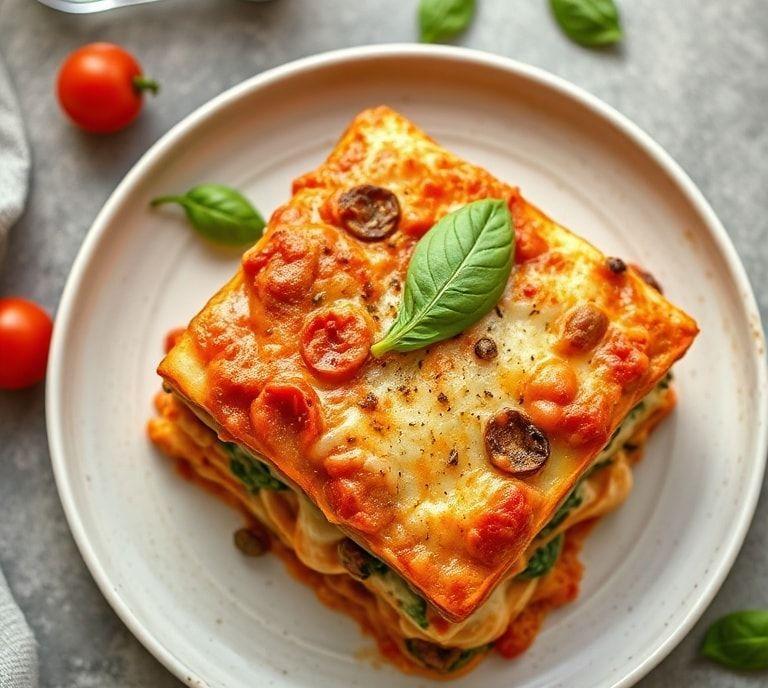
This recipe is a true love letter to the beauty of vegetarian cooking. I’m all about recipes that balance ease with depth of flavor, and this one is a winner on both counts. It’s a layered masterpiece that combines hearty spinach with a creamy ricotta filling, mozzarella, and marinara sauce that’s rich and tangy.
Let’s break it down:
Ingredients Needed
It all starts with the right ingredients. You want everything to come together in that one perfect bite.
- Fresh spinach (about 4 cups of cooked spinach or 1 pound fresh)
- Ricotta cheese (15 ounces)
- Shredded mozzarella cheese (2 cups)
- Parmesan cheese (1 cup)
- Egg (1, to bind the ricotta)
- Garlic (2 cloves, minced)
- Marinara sauce (3 cups – homemade or store-bought, your choice)
- Lasagna noodles (12 sheets – regular or no-boil work fine)
- Olive oil (for sautéing)
- Salt & pepper (to taste)
- Red pepper flakes (optional, for a bit of heat)
- Fresh basil (optional, for garnish)
Cooking Instructions
Making lasagna is like crafting a layered symphony, each part playing its role to create a harmonious dish.
- Prep the spinach: If you’re using fresh spinach, wash it thoroughly. Heat some olive oil in a large pan over medium heat, then toss in the spinach. Cook it down for about 5 minutes, stirring occasionally until it wilts. Drain off any excess liquid and set the spinach aside to cool. Once it’s cool enough to handle, chop it up finely.
- Cook the lasagna noodles: If you’re using regular lasagna noodles, boil them according to package directions. Don’t forget to salt your water generously. After they’re done, drain them and lay them out on a baking sheet lined with parchment paper so they don’t stick together. (If you’re using no-boil noodles, you can skip this step).
- Make the ricotta mixture: In a bowl, mix the ricotta, 1 cup of mozzarella, parmesan, egg, and garlic. Add a pinch of salt, pepper, and a little red pepper flakes if you want that extra kick. Stir in the spinach until it’s well combined.
- Assemble the lasagna: Preheat your oven to 375°F (190°C). In a baking dish (I recommend a 9×13-inch pan), spread a thin layer of marinara sauce on the bottom. Start layering your lasagna: place 3 noodles down first, followed by half of the ricotta-spinach mixture, and a few spoonfuls of marinara sauce. Then repeat the layers, finishing with a layer of noodles, sauce, and the remaining mozzarella cheese on top.
- Bake: Cover the dish with aluminum foil and bake for about 40 minutes. After 40 minutes, remove the foil and bake for another 10-15 minutes, or until the top is bubbly and slightly golden. Let it rest for 10 minutes before slicing into it – that will help everything set.
Ingredient Science Spotlight
When you dive into the science of ingredients, you start to see how the magic happens. Take spinach, for example. It’s packed with iron, fiber, and vitamins A and K – not only does it bring color and texture to the dish, but it’s also a nutritional powerhouse. But did you know that cooking spinach actually increases the bioavailability of its iron and other nutrients? Raw spinach contains oxalates, which can bind to iron and make it harder for your body to absorb. But when you sauté or cook it, those oxalates break down, allowing you to get more of that iron into your system. So, by adding it to the lasagna, you’re not just adding flavor, but health benefits too!
Ricotta cheese adds a creamy, slightly tangy contrast to the spinach. Its texture is so wonderfully rich, and combined with mozzarella, it creates that gooey, melty quality we all crave in lasagna. Meanwhile, the egg in the ricotta helps bind everything together, so your layers stay intact and slice beautifully when you cut into them.
Marinara sauce? Well, that’s the classic choice because of its bright, acidic qualities that help balance the richness of the cheese. The acidity of the tomatoes cuts through the creaminess of the ricotta, making each bite feel fresh and lively.
Expert Tips
Making lasagna isn’t rocket science, but a few small tips can take it from great to unforgettable.
- Don’t Overcook Your Noodles: If you’re using regular noodles, cook them just to al dente. They’ll cook a bit more in the oven, and you don’t want them mushy when it’s time to serve.
- Let the Lasagna Rest: I know, it’s tempting to dive right in, but letting your lasagna sit for 10 minutes after baking makes a world of difference. The layers will set, making it easier to cut and preventing a soupy mess on your plate.
- Homemade Marinara: If you have the time, homemade marinara sauce is such a game-changer. I love making it with fresh tomatoes, garlic, basil, and a touch of sugar to balance the acidity. But if you’re short on time, don’t hesitate to grab a jar of your favorite store-bought marinara.
- Layering with Love: Think of lasagna layers like the chapters of a book. Each layer needs to be thick enough to hold its own, but not so thick that you can’t get a balanced bite. You want to find that sweet spot where every ingredient shines.
Recipe Variations
What I love about this recipe is how adaptable it is. You can switch things up based on what you have on hand or your preferences.
- Mushrooms: Adding sautéed mushrooms gives the dish an earthy depth. If you’re a fan of mushrooms, consider mixing them in with the spinach or adding them in place of some of the spinach.
- Zucchini: You could layer in thin slices of zucchini or squash. It gives a fresh, veggie-filled bite that’s perfect for summer.
- Ricotta Alternatives: If you’re not a fan of ricotta, swap it for cottage cheese or a vegan alternative like tofu-based ricotta. The texture will change a little, but the flavor will still be amazing.
- Pesto: For a twist, try adding a layer of pesto between the ricotta and spinach. The basil flavor will blend so beautifully with the mozzarella.
Final Words
Vegetarian lasagna, especially one filled with spinach, can feel like a light, healthy option, but it’s also hearty and satisfying. Every bite is a perfect balance of flavor and texture. There’s something truly magical about the way all those components come together. Whether you’re making it for a family dinner, meal prepping for the week, or bringing it to a gathering, this dish has a way of making everyone at the table feel at home.
FAQs
Can I Use Frozen Spinach Instead Of Fresh Spinach In A Vegetarian Lasagna?
Yes, you can use frozen spinach in place of fresh spinach. However, make sure to thaw and drain the frozen spinach thoroughly to remove excess moisture before adding it to the lasagna. This will help prevent the lasagna from becoming too watery.
What Kind Of Cheese Is Best For Spinach Vegetarian Lasagna?
A combination of ricotta, mozzarella, and parmesan cheeses is typically used in spinach vegetarian lasagna. Ricotta adds a creamy texture, mozzarella provides a melty stretch, and parmesan gives a savory, umami flavor. You can also add some feta for extra tang if you prefer.
Can I Make Spinach Vegetarian Lasagna Ahead Of Time And Freeze It?
Yes, spinach vegetarian lasagna can be made ahead of time and frozen. Assemble the lasagna, but do not bake it. Instead, cover it tightly with plastic wrap and aluminum foil and freeze for up to 3 months. To bake, remove it from the freezer and let it thaw in the refrigerator overnight before cooking it in the oven. You may need to add a few extra minutes to the baking time.