There’s something uniquely comforting about a warm bowl of soup, especially when the weather turns a little colder, and you find yourself craving something nourishing and filling. Split pea soup, in particular, has always held a special place in my kitchen, a dish I can make with minimal effort but still have it feel hearty and satisfying.
I remember the first time I tasted split pea soup-it was at a small café tucked away in a quiet corner of a city I was visiting. The smell as the waitress brought it to the table was intoxicating, and I couldn’t help but dig in. The vibrant green color, the richness of the broth, and the tender texture of the peas were all so new to me, and I couldn’t believe I’d never tried it before. It felt like the kind of soup that could nourish both the body and the soul, a true simple pleasure.
This vegetarian version of split pea soup is my go-to now. It’s loaded with flavor from fresh vegetables, without any meat. Whether you’re fully vegetarian or just looking for a lighter alternative to traditional versions, this recipe proves that you don’t need meat to make a satisfying, flavorful soup. Trust me, it will quickly become a staple in your kitchen, just as it has in mine.
Split Pea Soup Vegetarian Recipe
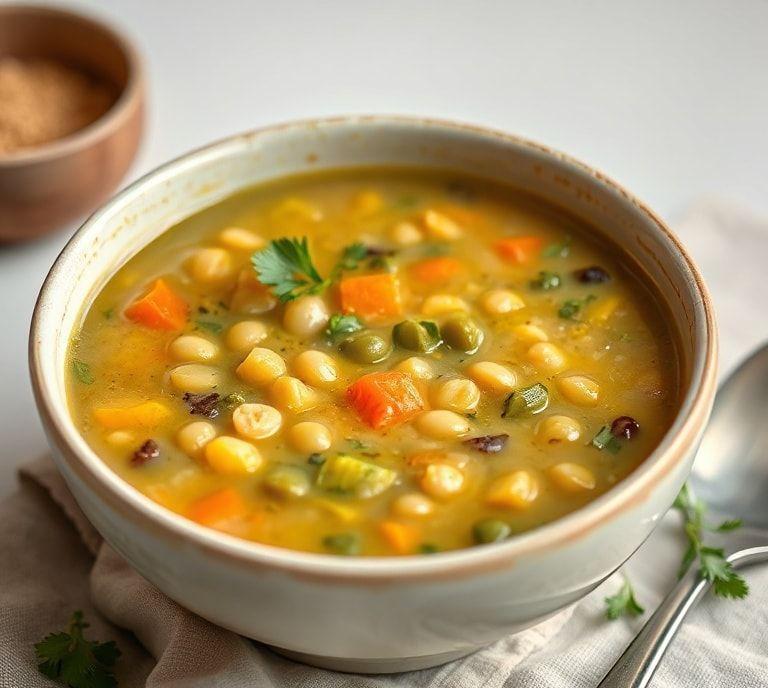
There’s something so deeply satisfying about cooking split pea soup. It’s a one-pot wonder that practically makes itself once you get it started. The peas practically melt into the broth, creating a thick, velvety texture that feels indulgent but is light and healthy at the same time. This vegetarian recipe uses simple, fresh ingredients and comes together in under an hour (though it tastes like it’s been simmering for much longer).
Ingredients Needed
- 2 cups dried split peas – These are the star of the show. They soak up all the flavors from the vegetables and herbs and break down during cooking, thickening the soup naturally.
- 1 tablespoon olive oil – To sauté the vegetables and add a smooth, rich base.
- 1 large onion, chopped – For sweetness and depth.
- 2 carrots, peeled and chopped – Adds sweetness and color to the soup.
- 2 celery stalks, chopped – A must for a well-rounded flavor.
- 3 garlic cloves, minced – To build that aromatic foundation.
- 1 bay leaf – For earthy depth.
- 1 teaspoon dried thyme – Adds a fragrant, savory note.
- 6 cups vegetable broth – The key to the base of the soup. Choose a good-quality one, as it will make all the difference.
- Salt and pepper, to taste – For seasoning.
- A squeeze of lemon juice (optional) – To brighten the flavors at the end.
- Fresh parsley or dill, chopped (optional) – For garnish, adding a fresh, herbaceous touch.
This is a pretty flexible list-you can always add more of what you like or leave out what you don’t. The beauty of split pea soup is that it’s hard to mess up!
Cooking Instructions
Let’s get down to the good stuff-cooking. The steps are straightforward, but the magic happens when all the ingredients come together and transform into something warm, hearty, and nourishing.
- Rinse the Split Peas: Begin by giving the dried split peas a good rinse under cold water. This helps remove any dirt or impurities they might have collected during storage.
- Sauté the Vegetables: Heat the olive oil in a large pot or Dutch oven over medium heat. Add the chopped onion, carrots, and celery. Stir occasionally, cooking for about 5-7 minutes until the vegetables begin to soften and the onion turns translucent.
- Garlic and Herbs: Toss in the minced garlic, thyme, and bay leaf. Sauté for another 1-2 minutes until the garlic is fragrant, making sure not to burn it.
- Add Split Peas and Broth: Add the rinsed split peas to the pot and pour in the vegetable broth. Stir everything together, ensuring that the peas are fully immersed. Bring the mixture to a boil.
- Simmer: Once the soup comes to a boil, reduce the heat to low, cover, and let it simmer for about 45 minutes to an hour, or until the peas have softened and the soup has thickened. Stir occasionally. If the soup starts getting too thick, you can add a bit more broth or water to reach your desired consistency.
- Season and Finish: Taste the soup and season with salt and pepper as needed. If you like, you can finish the soup with a squeeze of lemon juice to add brightness. Remove the bay leaf before serving.
- Serve: Ladle the soup into bowls and sprinkle with fresh parsley or dill for that final touch.
Ingredient Science Spotlight
Here’s where it gets interesting. What makes this soup so special isn’t just the combination of flavors, but the science behind the ingredients. Take split peas, for example. These little legumes are powerhouses of nutrition, packing in protein, fiber, and vitamins. They’re also a great source of complex carbohydrates, which means they provide steady, long-lasting energy.
When cooking split peas, something magical happens-they begin to soften and break down, creating a thick and creamy texture. Unlike other legumes, split peas don’t need to be soaked before cooking, which makes them an even quicker option for busy days. The starches they release during cooking naturally thicken the soup without any need for cream or flour.
The vegetables-carrots, celery, and onions-are the holy trinity of flavor. They release natural sugars as they cook, which adds depth and sweetness to the broth. And then there’s the thyme and bay leaf, whose earthy, woody aromas fill the kitchen, creating that comforting, homemade feel.
Expert Tips
- Don’t Skip the Bay Leaf: It might seem like a small detail, but the bay leaf adds an essential depth of flavor. It’s like the secret ingredient in a good stew or soup that makes everything come together.
- Texture Variation: If you prefer a smoother texture, you can use an immersion blender to puree part or all of the soup once the peas have softened. I love leaving it slightly chunky for more texture, but it’s entirely up to you!
- Season Gradually: Split peas can absorb a lot of seasoning, so taste as you go. Don’t be afraid to adjust the salt, pepper, and lemon juice until it tastes just right.
- Make It Ahead: This soup actually gets better with time. If you have the patience, make it a day in advance and let the flavors develop overnight. The soup will thicken as it sits, so you may need to add a bit more liquid when reheating.
Recipe Variations
- Add Greens: If you’re looking to sneak in some extra veggies, consider adding kale, spinach, or Swiss chard to the soup in the last 10 minutes of cooking. The greens will wilt and add an extra layer of nutrition and flavor.
- Spicy Kick: For a little heat, add a pinch of red pepper flakes or a chopped fresh chili with the garlic. The spicy contrast with the earthy peas is fantastic.
- Smoky Flavor: If you’re craving a smoky touch, try adding smoked paprika or a dash of liquid smoke. It adds a depth that can make the soup feel even more comforting.
- For a Creamier Version: Stir in a splash of coconut milk or cream in the last few minutes of cooking. It gives the soup a velvety, rich texture without overpowering the flavors.
- Add Potatoes: You can also throw in some diced potatoes for extra heartiness. Potatoes break down similarly to the peas and add a creaminess to the soup.
Final Words
This vegetarian split pea soup is a reminder of how simple ingredients, when prepared with care, can create something incredibly satisfying. It’s a dish that doesn’t rush-much like the kind of meals that bring people together. You can make it on a chilly afternoon, serve it to family or friends, or enjoy it alone as a cozy moment of self-care.
The beauty of this soup lies in its flexibility and its ability to comfort no matter the occasion. Plus, leftovers are even better the next day. So, I highly recommend doubling the batch and having some extra on hand for a busy week ahead.
FAQs
What Are The Key Ingredients In A Vegetarian Split Pea Soup Recipe?
A typical vegetarian split pea soup recipe includes split peas, vegetable broth, carrots, celery, onions, garlic, and spices like thyme and bay leaves. For added flavor, you may also include ingredients like potatoes, leeks, or smoked paprika, although the recipe remains entirely plant-based without any meat or animal-derived products.
How Long Should I Cook Split Pea Soup To Ensure The Peas Are Fully Softened?
To ensure that the split peas are fully softened, you should cook the soup for approximately 1 to 1.5 hours, depending on the heat and size of the peas. It’s important to simmer the soup on low heat to allow the peas to break down into a creamy texture. Stir occasionally to prevent sticking, and add more broth or water if the soup thickens too much.
Can I Freeze Vegetarian Split Pea Soup For Later Use?
Yes, vegetarian split pea soup can be frozen for later use. Allow the soup to cool completely before transferring it into airtight containers or freezer bags. It can be stored in the freezer for up to 3 months. When ready to eat, thaw it in the refrigerator overnight and reheat on the stovetop, adding a bit of water or vegetable broth if needed to adjust the consistency.